Last updated November 18, 2026








Free written scope consultation - allowances, timeline, and change-order rules on paper before a single trade is scheduled
General Contractor Maintenance Checklist for McKinney Homeowners
The expansive clay soil under most McKinney homes moves up to 4 inches vertically between wet and dry seasons, and that movement sits behind a large share of the foundation cracks, sticking door frames, and failed exterior caulk joints that homeowners blame on the last contractor. The house isn’t defective. The soil is doing what North Texas clay does. What separates a McKinney home that holds up from one that keeps handing you repair bills is a maintenance calendar built for this ground, this heat, and this hard water. This guide gives you that calendar: what to check, when to check it, what it costs, and which jobs legally require a licensed Texas contractor.
Quick Answer
A McKinney maintenance checklist should prioritize soil-moisture management around the foundation, seasonal roof and caulk inspection after hail and freeze events, HVAC filter changes on a shortened McKinney interval, and hard-water service on the water heater and fixtures. The tasks on a generic national checklist that assume cold-climate basements or soft water are largely wasted effort here. Focus on foundation movement, red clay dust, Collin County water chemistry, and storm cycles, and you’ll cover roughly 80% of what actually fails in a McKinney house.
Styles & brands we work with
- Kitchen remodeling
- Bathroom remodeling
- Home additions & ADU
- Roofing
- Windows & doors
- Driveway & pavers
- Fence
Table of Contents
- Foundation and Soil-Moisture Management
- Hard Water and Plumbing Maintenance
- HVAC Maintenance on a McKinney Dust Schedule
- Roof, Hail, and Freeze-Thaw Inspection
- Exterior Caulk, Paint, and Fence Care
- What Requires a Licensed Texas Contractor
- A Month-by-Month McKinney Calendar
Foundation and Soil-Moisture Management
Expansive clay is the single biggest driver of structural trouble in McKinney, and moisture is the lever you control. The soil swells when it’s wet and shrinks when it’s dry. Keep the moisture steady and the foundation barely moves. Let it cycle between soaked and bone-dry and you get the stair-step brick cracks and out-of-square door openings that show up in homes across Stonebridge Ranch and Trinity Falls.
McKinney’s rainfall is uneven. Spring brings heavy soaking storms, then July and August deliver weeks of 100°F+ days with almost nothing. That swing is harder on a foundation than a steady dry climate.
A workable moisture schedule:
- April through June: Let the rain do the work unless there’s a two-week dry stretch. Check that gutters carry water at least 4 to 6 feet away from the slab.
- July through September: Run soaker hoses 12 to 18 inches from the foundation, 20 to 30 minutes two to three times a week. Early morning, so water soaks in instead of evaporating.
- October through November: Back off to once a week, then stop when consistent rain returns.
- December through March: Stop watering except during an unusually dry winter. Watch the freeze forecast and disconnect hoses before a hard freeze.
Skip the temptation to water daily in summer. Constant saturation is as bad as drought, and it can push water under the slab where it does more harm. A $15 soil moisture meter takes the guesswork out. If you see cracks wider than a quarter inch in the slab or brick, or doors that stick only in certain seasons, call a licensed foundation contractor for an evaluation rather than patching over it.
Hard Water and Plumbing Maintenance
Collin County water runs hard, commonly north of 300 ppm of dissolved minerals. That number matters because hard water shortens the life of a water heater, clogs fixture aerators, and leaves scale on shower glass and tile. It’s also why a water heater that should last 10 to 12 years often fails closer to 6 or 7 in McKinney if nobody touches the anode rod.
The anode rod is the sacrificial metal inside the tank that corrodes so the steel tank doesn’t. Once it’s used up, the tank starts rusting from the inside. Here’s the schedule that works here:
- Anode rod: Inspect at year 3, replace when more than half consumed (often by year 4 to 5 on McKinney water). A replacement rod is cheap; a new water heater isn’t.
- Tank flush: Drain sediment once a year. Sediment insulates the burner from the water and drives up gas use.
- Fixture aerators: Soak in white vinegar every 6 months to clear mineral buildup. Weak flow at a faucet is usually scale, not a bad valve.
- Showerheads and glass: Squeegee after use; a monthly vinegar soak on the head keeps spray even.
- Water softener: If you have one, check salt monthly and service the resin bed per the manufacturer’s interval.
Water heater replacement is a permitted plumbing job in McKinney. That’s one for a licensed plumber, not a weekend project. When a bigger plumbing change is part of a larger renovation, that’s where bathroom remodeling in McKinney work and a general contractor coordinate the rough-in, the tile, and the inspection in one scope.
HVAC Maintenance on a McKinney Dust Schedule
Manufacturer filter intervals assume average dust. McKinney sits on red clay that turns to fine airborne silt in summer, and a house near an active construction site or a gravel alley loads a filter faster still. In our experience, a filter rated for “3 months” often needs changing at 4 to 6 weeks during McKinney’s dry season.
A filter change is a 5-minute job and the cheapest thing on this list. The coil cleaning is what most homeowners skip, and it’s where efficiency disappears.
- Filter: Check monthly May through September, change at 30 to 45 days. Use a MERV 8 to 11 filter; higher than that can choke airflow in older ductwork.
- Outdoor condenser coil: Rinse gently with a hose each spring before the first big heat. Don’t use a pressure washer; it bends the fins. Keep 2 feet of clear space around the unit.
- Indoor evaporator coil: Have it cleaned professionally every 2 to 3 years on McKinney’s dust load. A dirty coil can cut cooling capacity noticeably.
- Condensate drain: Pour a cup of vinegar down the drain line each spring to prevent the algae clogs that shut down AC in July.
- Fall check: Before the first heater run, have the system serviced. A licensed HVAC tech handles the gas-side inspection and refrigerant work.
Annual AC service runs roughly $100 to $200 in the McKinney market, and it’s worth it before the June rush when every tech in Collin County is booked. For a whole-home remodel that touches ductwork or equipment, the mechanical work is folded into the general contractor in McKinney scope and permitted accordingly.
Roof, Hail, and Freeze-Thaw Inspection
McKinney sits in a hail belt. Most subdivisions built between 2000 and 2015 carry architectural asphalt shingles, often a 30-year product from GAF, CertainTeed, or Owens Corning. Those shingles handle sun well. What they don’t handle is a 1-inch hailstone at 60 mph, followed by a hard freeze that works water into any nick.
The right move is a post-storm walkaround, not a ladder climb. Get on the roof yourself and you risk a fall on a steep pitch, and you can void a warranty by walking damaged shingles before an adjuster sees them. Inspect from the ground with binoculars, and call a licensed roofer for anything above eye level.
What to look for after a hail or wind event:
- Dented gutters, downspouts, and vent caps, which mirror what happened to the shingles.
- Granules collecting at the bottom of downspouts, a sign shingles are shedding their protective surface.
- Soft spots, lifted or curling tabs, and missing shingles on the south and west slopes (the sun- and hail-facing sides).
- Water stains on ceiling drywall near valleys and chimneys, which point to flashing failure.
Document with dated photos and file the insurance claim before you call anyone for repairs. Texas gives you a defined window for storm claims, and a licensed roofer’s written scope is what the adjuster works from. If a repair turns into a larger exterior project, ask the contractor which product line and manufacturer warranty they’ll put in writing. The documented brand roster we work from, which includes James Hardie siding, Therma-Tru doors, and GAF roofing, exists so those specifications are traceable rather than guessed.
Exterior Caulk, Paint, and Fence Care
Exterior caulk is the cheapest defense a McKinney home has, and it fails here faster than in cooler climates. The same soil movement that cracks brick opens joints at window and door frames, and the 100°F summers bake the sealant until it shrinks and pulls away. When caulk fails, water gets behind the siding and into the wall cavity.
Do a caulk-and-paint walkaround twice a year, in spring and again in early fall. Check:
- Window and door perimeters, where the frame meets siding.
- Where the brick meets the foundation, and where two materials change.
- Trim, fascia, and the soffit (the underside of the roof overhang, which takes sun and takes water).
- Penetrations: hose bibs, dryer vents, light fixtures, and any cable or pipe that pierces the wall.
Use a paintable exterior-grade sealant rated for high movement at masonry and frame joints. Repaint exterior siding every 5 to 7 years in McKinney’s sun; James Hardie fiber cement holds paint longer than wood, but the timeline still applies to the joints and trim. Fence posts and decks take the same abuse. A hardscape or paver edge, whether Techo-Bloc or Cambridge Pavers or a simpler Quikrete-set border, should be re-leveled every couple of years as the clay shifts, especially around the driveway apron where water pools.
What Requires a Licensed Texas Contractor
Not everything needs a pro, and knowing the line saves money without cutting corners. Texas licenses certain trades at the state level, but not all, and McKinney enforces permits at the city level. Before you hire anyone, ask for their license type and verify it with the state.
| Task | Who can legally do it |
|---|---|
| Filter changes, caulking, paint touch-up, aerator cleaning | Homeowner |
| Electrical wiring, panel work, new circuits | Licensed Texas electrician, permitted through the city |
| Gas line work, gas appliance hookup | Licensed plumber with gas credentials |
| Water heater replacement | Licensed plumber, permit required |
| Plumbing rough-in and drain work | Licensed plumber |
| HVAC equipment install and refrigerant work | Licensed HVAC contractor |
| Roof replacement, structural repair, additions | Licensed general contractor / roofer with a city permit |
| Foundation repair | Licensed foundation contractor with a structural engineer’s report |
The specific license types to check: Texas State Board of Plumbing Examiners license for plumbers, Texas Department of Licensing and Regulation (TDLR) license for electricians and HVAC contractors, and a McKinney contractor registration with a valid city permit for structural and remodeling work. Ask for the license, verify it, and confirm the permit is pulled in the homeowner’s name.
When you’re ready to move on a larger job, a written price before work starts removes the guesswork. That’s the shape of Bradford Remodeling Co McKinney projects, where the scope, the price, and the guarantee are put in writing before anything is touched.
A Month-by-Month McKinney Calendar
Here’s how the year shakes out for a typical McKinney home. Adjust to your lot, tree cover, and house age.
- January: Freeze watch. Disconnect hoses, protect exposed pipes, check attic insulation. Inspect for freeze cracks at hose bibs.
- February: Service the heater. Check the condensate drain, the flue, and the smoke and CO detectors.
- March: Start soil moisture monitoring. Walk the exterior for caulk and paint failures. Clean gutters.
- April: Rinse the AC condenser before the first heat. Change the filter. Test the irrigation system and soaker hoses.
- May: Begin summer watering schedule. Inspect the roof after any spring hail. Flush the water heater.
- June: Check the water heater anode rod. Re-caulk any joints that opened over the winter. Clean the dryer vent.
- July: Peak-heat AC filter change on a 30-day interval. Watch for foundation cracks in the slab and brick.
- August: Continue watering schedule. Inspect for wasp and rodent activity around the soffit and vents. Service aerators.
- September: Second caulk-and-paint walkaround. Clean gutters before fall. Inspect the roof once more after storm season.
- October: Winterize: disconnect hoses, drain the irrigation backflow, check the water heater for sediment and flush again.
- November: Freeze-prep for pipes and exterior faucets. Test the garage door safety reverse on a cold day, when springs and cables are most stressed.
- December: Service the heater, test detectors, and review the year’s repairs against the written scope from any contractor work.
Garage door springs and cables store serious tension, and they fail most often in exactly the temperature swings McKinney sees. Don’t adjust or replace them yourself. Have a trained technician handle the spring and cable system, and keep the door’s track clean and free of grit.
Common Mistakes to Avoid
- Watering the foundation like a lawn. Over-saturating around the slab can push water underneath and make movement worse. Steady and moderate beats daily and flooded.
- Skipping the anode rod. A water heater that fails at year 6 on McKinney’s hard water was likely a $30 anode rod nobody checked.
- Using the national filter interval here. Red clay dust and construction silt load a filter faster than the product label assumes. Check monthly in summer.
- Climbing the roof after a hail event. You can void the warranty and take a fall. Inspect from the ground and call a licensed roofer.
- Patching over foundation cracks without a diagnosis. A crack that keeps opening isn’t a cosmetic problem; it’s telling you the soil is moving and needs a structural look.
- Hiring an unlicensed HVAC or plumbing tech to save a few hundred dollars. The permit and the license are what make the work insurable and warrantable. Verify both.
- Ignoring hard-water scale until faucets dribble. Aerators, showerheads, and heater sediment build up quietly. Six-month cleaning keeps it from turning into a replacement.
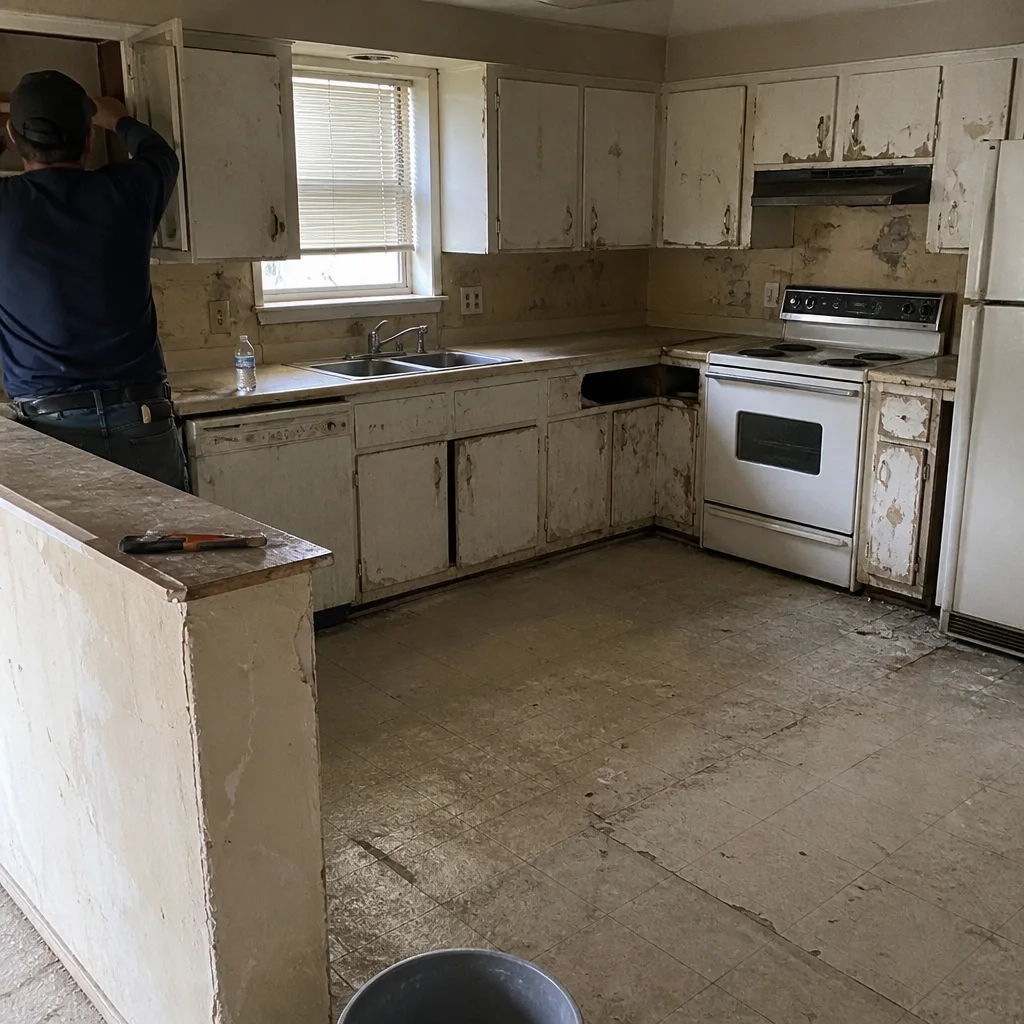
See the difference
 Before
 After
 Before
 After
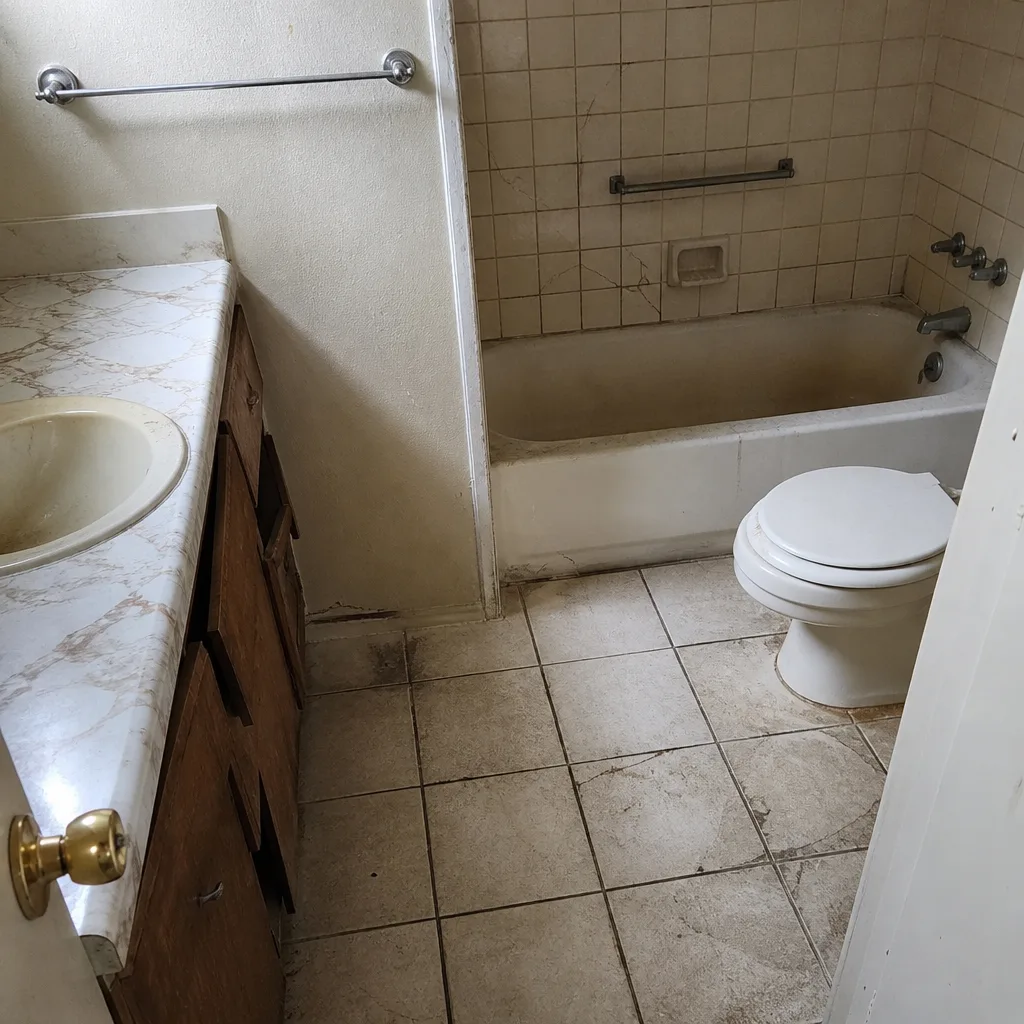 Before
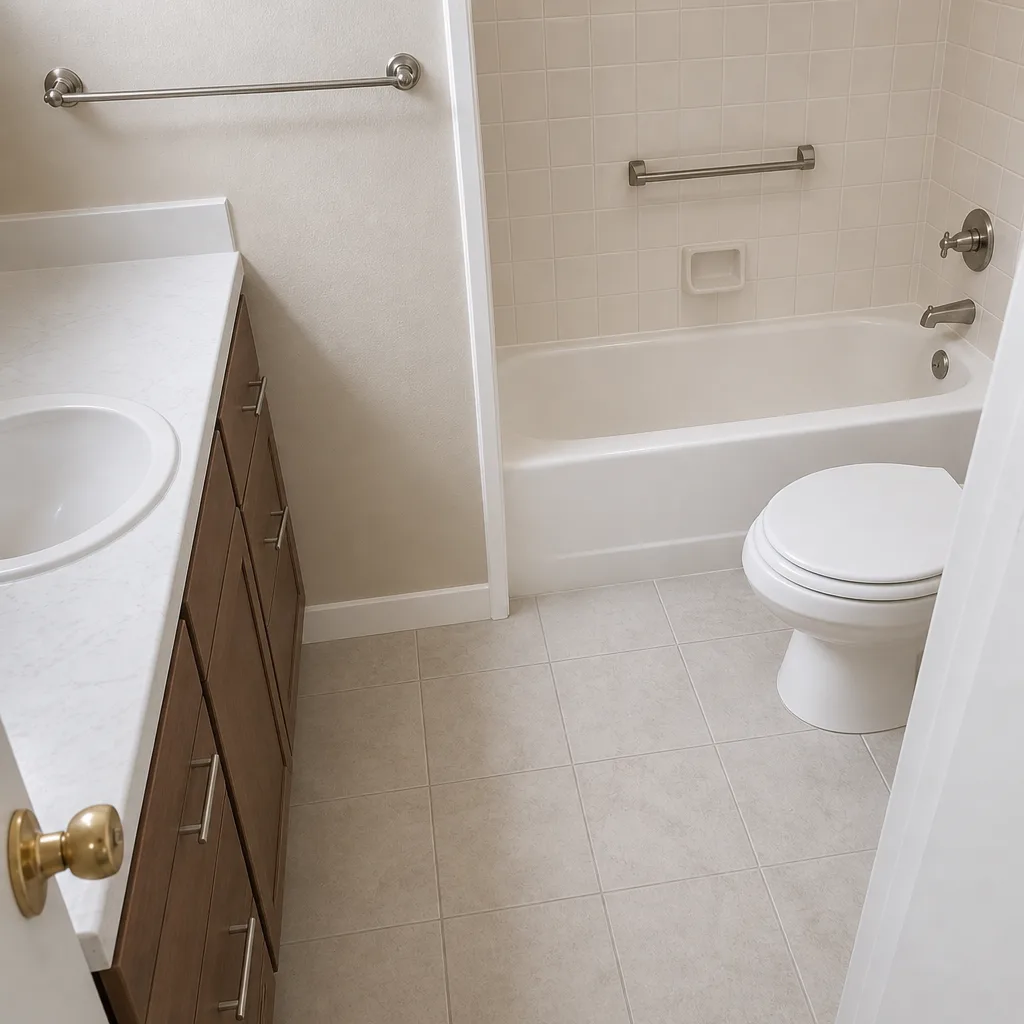 After
When to Call a Professional
Call a professional when a repair touches structure, gas, electrical, or pressure. Foundation cracks that won’t close, doors that won’t square, roof or flashing water intrusion, gas appliance work, water heater replacement, HVAC equipment, and any electrical panel change all belong to a licensed trade, and in McKinney most carry a permit. Also call when a small fix keeps recurring, since repeat failure usually points at a root cause rather than the symptom. Leave it to a trained tech, verify the license, and confirm the permit is pulled. Bradford Remodeling Co McKinney offers free estimates in McKinney, call (844) 834-0609, and every project gets a written price before work begins and the 365-Day Done Right Promise when it’s finished. For kitchen and whole-home work, our kitchen remodeling in McKinney team scopes the job in writing and schedules around the maintenance calendar so nothing gets reopened twice.
Frequently Asked Questions

In July through September, two to three soaker-hose sessions of 20 to 30 minutes a week is a reasonable baseline, backing off to once a week in fall and stopping in wet weather. The goal is steady moisture, not saturation. If you see cracks widening or doors that only stick in dry months, call a licensed foundation contractor for an evaluation.
Expect roughly $1,200 to $2,400 installed in the McKinney market for a standard tank, depending on capacity and whether code upgrades are needed, plus a permit. A tankless unit runs higher. Get a written price before work starts rather than a verbal range. Call (844) 834-0609 for an exact quote, estimates are free.
Red clay dust and summer construction silt load a filter faster than the manufacturer’s interval assumes. During peak summer, check the filter monthly and change it at 30 to 45 days. A clogged filter chokes airflow and drives up energy use, so the frequency is money in your pocket, not a nuisance.
Yes, most interior remodels that touch plumbing, electrical, HVAC, or structure require a McKinney building permit, and the permit must be pulled before work starts. A reputable contractor pulls the permit in your name and schedules the inspections. A contractor who suggests skipping the permit is a red flag.
Storm and soil movement. The architectural shingles common on those homes handle sun well but take hail damage that shows up later as leaks, and the expansive clay behind most of these lots moves with the seasons and opens caulk joints and cracks. The spring and fall walkarounds catch both before they become repairs.
Inspect from the ground with binoculars, not from the roof. Hail damage to shingles and flashing is visible from a distance, and walking a damaged roof can void the warranty and risk a fall. Check gutters and downspouts for loose granules, then call a licensed roofer for anything above eye level.
The Bottom Line
The maintenance that actually matters in McKinney is specific: steady soil moisture around an expansive clay foundation, storm and freeze inspection after hail season, HVAC filters on a shortened McKinney dust interval, and hard-water service on the water heater and fixtures. Everything else on a Minnesota blog can wait. Get those four right and you’ll spend less on emergency repairs. For any job that touches structure, gas, electrical, or a permit, verify the license and confirm the permit before work starts. That’s the difference between a repair and a repeat. For a written scope and a free estimate on your next project, call Bradford Remodeling Co McKinney at (844) 834-0609.
Written by the team at Bradford Remodeling Co McKinney.