Last updated November 18, 2026








Free written scope consultation - allowances, timeline, and change-order rules on paper before a single trade is scheduled
General Contractor Troubleshooting: Common Problems and How to Fix Them
A general contractor going silent mid-project is the single most common complaint homeowners file against builders. But here’s what surprises people: in most of those disputes, the contract the homeowner signed gave the contractor a legal way out they never noticed. The delay wasn’t just bad luck. It was a contract failure dressed up as a construction failure. This guide teaches you to diagnose which one you’re dealing with, so you know whether to reach for a wrench or a written notice. If you’re remodeling in McKinney, the stakes are high, and the paper trail matters.
Quick Answer
Most general contractor problems fall into two buckets: legitimate construction defects and contract failures that surface as construction defects. Fix the first with documentation and a written demand; fix the second by reading your contract’s notice, payment, and completion clauses before you withhold a dollar. In Texas, the exact written notice you send and the timing of your draw payment decide whether you have leverage or a lawsuit.
Styles & brands we work with
- Kitchen remodeling
- Bathroom remodeling
- Home additions & ADU
- Roofing
- Windows & doors
- Driveway & pavers
- Fence
Table of Contents
- Is the Delay Legitimate or Is Your Contractor Juggling Jobs?
- How to Legally Withhold a Draw Payment in Texas
- What “Substantial Completion” Means and Why It Triggers Final Payment
- How to Document Defective Work So It Holds Up in a Dispute
- Can a Subcontractor File a Mechanic’s Lien After You Paid the GC?
- What Written RFIs Are and How to Use Them
- How to Run a Punchlist That Actually Closes the Job
- How to Pick a Contractor Who Won’t Create These Problems
Is the Delay Legitimate or Is Your Contractor Juggling Jobs?
Real supply-chain delays happen. A custom cabinet order from KraftMaid can genuinely run weeks behind, and a GAF shingle package can sit at a distributor during a storm-season surge. That’s normal. What’s not normal is a contractor who blames “supply chain” while a crew is conspicuously absent from your job for ten straight days. In McKinney, where new subdivisions in Stonebridge Ranch and Trinity Falls are pulling crews in every direction, job-juggling is common.
Here’s how to tell the difference:
- Ask for the purchase order. A legitimate materials delay has a dated PO and a distributor confirmation. If the contractor can’t produce one, the delay isn’t materials.
- Watch the crew, not the promise. A crew that shows up for two hours every third day isn’t delayed by supply. It’s spread thin across more profitable jobs.
- Check the sequencing. A real delay pushes the schedule back in a logical order. A juggling contractor skips the hard, low-margin work to chase a bigger job elsewhere.
- Put it in writing. Send a written request for a revised schedule with dates. A juggling contractor will stall; a legitimate one will hand you a timeline.
If your contractor can’t explain the delay in writing with real dates, that’s your first signal the issue is contractual, not logistical. More on what to do about that below.
How to Legally Withhold a Draw Payment in Texas
You cannot simply stop paying and expect to be protected. Texas law and most construction contracts require written notice before you withhold a draw. Skip that step and you may be the one in breach. The exact notice depends on your contract, but the shape is consistent.
- Identify the specific deficiency in writing. Not “the work isn’t right.” Name the item: “The master bath tile substrate in the shower pan is not sloped to drain as specified.”
- State the contractual basis. Reference the clause or specification the work violates. “Per Section 4.2 and the manufacturer’s installation spec for the Schluter system.”
- Set a cure period. Give a reasonable window, typically 10 to 14 days, to correct the work.
- State the amount you intend to withhold and why. Connect the dollar figure to the unfinished or defective work.
- Send it the way the contract requires. Certified mail, email with read receipt, or whatever the notice clause specifies. A text message usually won’t count.
Keep a copy of everything. In McKinney, where subdivision HOAs often have their own design review rules layered on top of city code, your documentation may need to answer to two authorities, not one. A written record protects you on both fronts.
What “Substantial Completion” Means and Why It Triggers Final Payment
“Substantial completion” is a legal term, not a compliment. It generally means the work is complete enough that the owner can use it for its intended purpose, even if minor items remain. Contractors use it to trigger the final payment draw, and that’s exactly where homeowners get burned: you pay in full, then discover a punchlist of twenty items the contractor now has no financial reason to finish.
The fix is to define substantial completion in your contract before work starts. A disciplined contract says substantial completion requires:
- All life-safety and code items complete and inspected
- Final inspection passed by the local authority
- Punchlist reduced to cosmetic items only, with a written, dated list
- A holdback of 5% to 10% of the contract price retained until punchlist closeout
Without a holdback clause, you have little leverage. With one, you have a written reason to withhold the last draw until the job is actually done. That’s the difference between a finished home and a permanent to-do list.
How to Document Defective Work So It Holds Up in a Dispute
Photos alone rarely win a dispute. The contractor says the photo shows a problem; you say the same. What wins is a dated, written record that ties each photo to a specification and a request. This is where most homeowners fall short, and it’s fixable.
- Photograph with context and a scale. Wide shot, then close-up, with a tape measure or a coin for scale. Note the date and location on every image.
- Write a one-line description per photo. “Gap in exterior trim at rear soffit, 3/8 inch, allows water intrusion.” Not “bad trim.”
- Reference the spec or code. “Per the James Hardie installation guide” or “per McKinney building code for exterior flashing.”
- Submit it as a written RFI. See below for the format.
- Keep a log. Number every request, track the date sent, the date responded, and the outcome.
When the record is clean, a contractor who’s in the wrong has two choices: fix it, or explain in writing why they won’t. Either way, you win the paper trail.
Can a Subcontractor File a Mechanic’s Lien After You Paid the GC?
Yes. And this is the trap that costs McKinney homeowners the most. If you pay your general contractor in full and the GC doesn’t pay the framer or the electrician, those subs can file a mechanic’s lien against your property. You paid once and may have to pay again to clear the title.
Protection comes from the front end, not the back. Before you sign:
- Request lien waivers with each draw. A conditional waiver from the GC and major subs releases lien rights for work paid to date.
- Ask for a list of subcontractors and suppliers. A real GC can name them. A juggler can’t.
- Check the title. A title company can flag any recorded liens before you close out the project.
- Keep a written draw schedule. Don’t pay ahead of work performed. Ever.
If a lien does appear, get legal advice fast. In Texas, deadlines to contest a lien are tight, and a missed window can leave the lien on your title.
What Written RFIs Are and How to Use Them
An RFI, or Request for Information, is a short written question with a specific answer expected. Contractors use them on commercial jobs constantly. Homeowners rarely do, which is a mistake. An RFI turns a hallway argument into a documented exchange.
A usable RFI is short and specific:
- Number and date it. “RFI-007, dated March 4.”
- State the question. “The tile substrate at the master shower is not sloped to drain. Is this to be corrected per the manufacturer spec?”
- State the requested answer and deadline. “Please respond in writing within 5 business days.”
- Keep it professional. No accusations. Just the facts and the ask.
When you have a stack of numbered RFIs with responses, you have a dispute file. That’s what holds up in mediation, arbitration, or court. It’s also what keeps an honest contractor honest.
How to Run a Punchlist That Actually Closes the Job
A punchlist is the written list of remaining items before final payment. Run it wrong and it never closes. Run it right and you have a finished home with a signed closeout.
- Walk the job with the contractor, together. No emailed lists. Walk it, room by room.
- Write it as you go. Every item gets a location, a description, and a photo.
- Sign and date it. Both parties. This is the moment the list becomes a contract addendum.
- Set a closeout date. Reasonable but firm.
- Tie final payment to closeout. The holdback is released only when every item is signed off.
- Get the written guarantee in hand at close. Not “we’ll send it.” In hand.
At Bradford Remodeling Co McKinney, this is what “squared away” looks like: clean site, documented scope, signed written guarantee in the homeowner’s hand. The Bradford Remodeling Co McKinney home page lays out how The Garrison Standard works in practice.
How to Pick a Contractor Who Won’t Create These Problems
Most of the troubleshooting above is avoidable on the front end. A disciplined contractor puts the price in writing before work starts, names the materials and brands, and stands behind the work after closeout. When you’re comparing bids in McKinney, ask these questions:
- Will you give me a written price before work starts? A real contractor says yes without flinching. A no-show contractor dodges the question.
- What brands do you install? Look for documented names like KraftMaid, Cambria, Kohler, GAF, James Hardie, and Therma-Tru. Traceable brands mean traceable warranties.
- What does your guarantee cover, and for how long? Ours is the 365-Day Done Right Promise: if the work fails within the guarantee period, we return and correct it at no charge.
- Who actually shows up? Background-checked, uniformed technicians on every job is a baseline, not a bonus.
- Will you put substantial completion and holdback in the contract? A contractor who resists this is telling you something.
Our General Contractor in McKinney page spells out the scope, the brands, and the written-price commitment. And if the job is a kitchen, the Kitchen Remodeling in McKinney page covers the sequencing and cabinet brands we document. A bathroom problem has its own set of water-management traps, which the Bathroom Remodeling in McKinney page breaks down.
Common Mistakes to Avoid
- Paying the final draw before the punchlist closes. Once you pay, your leverage is gone. Hold the last 5% to 10% until every item is signed off.
- Withholding money without written notice. In Texas, that can make you the one in breach. Send the notice, then withhold.
- Trusting a verbal promise to fix it later. A promise without a written RFI is not a record. It’s a rumor.
- Assuming the subcontractors got paid because you paid the GC. They didn’t necessarily. Request lien waivers with every draw.
- Letting the contractor define substantial completion. If you didn’t define it in the contract, they will, and it will favor them.
- Picking the cheapest bid and skipping the written scope. The cheapest bid is often the one with the most room to reprice at the door. Pair any pricing comparison with a written scope or the number means nothing.
- Ignoring McKinney-specific code and HOA review. Subdivision HOAs in places like Stonebridge Ranch and Tucker Hill have their own design review timelines. Miss those, and the delay is on you, not the contractor.
See the difference
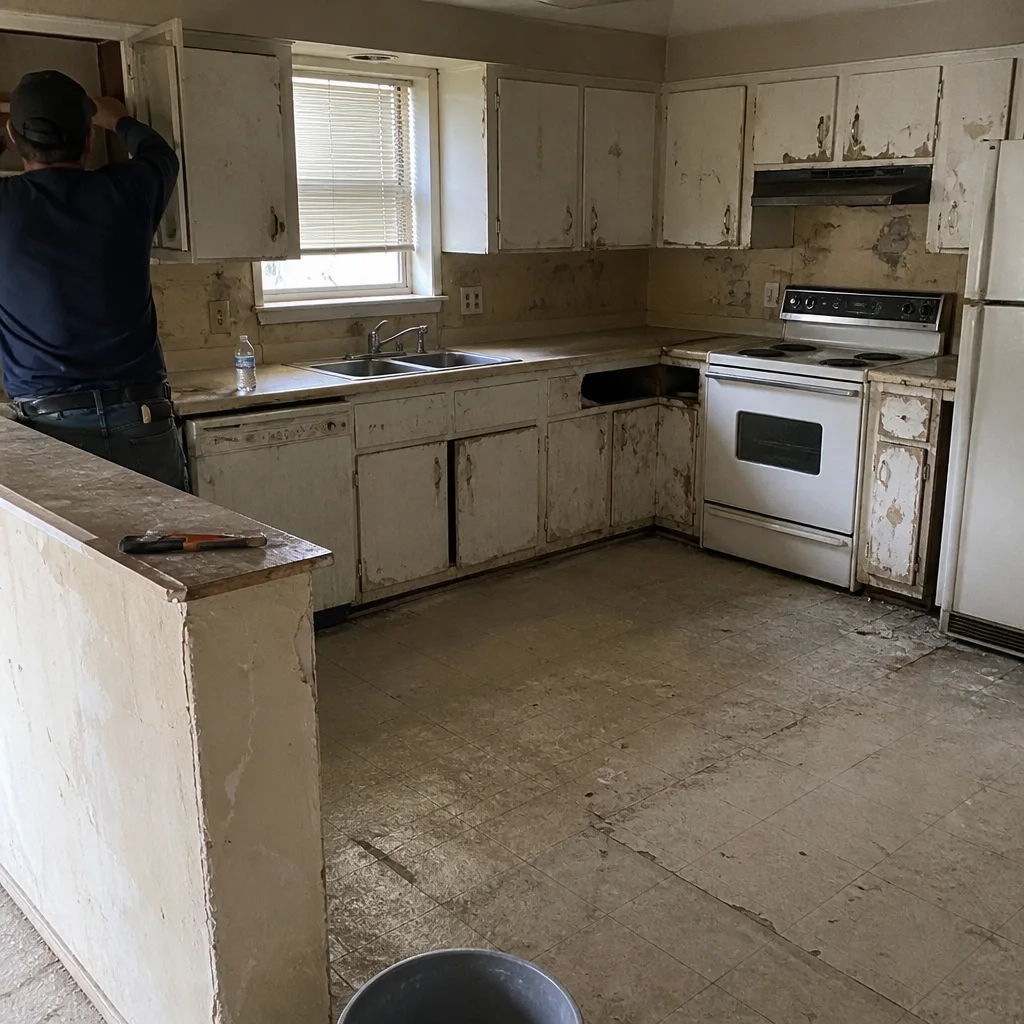 Before
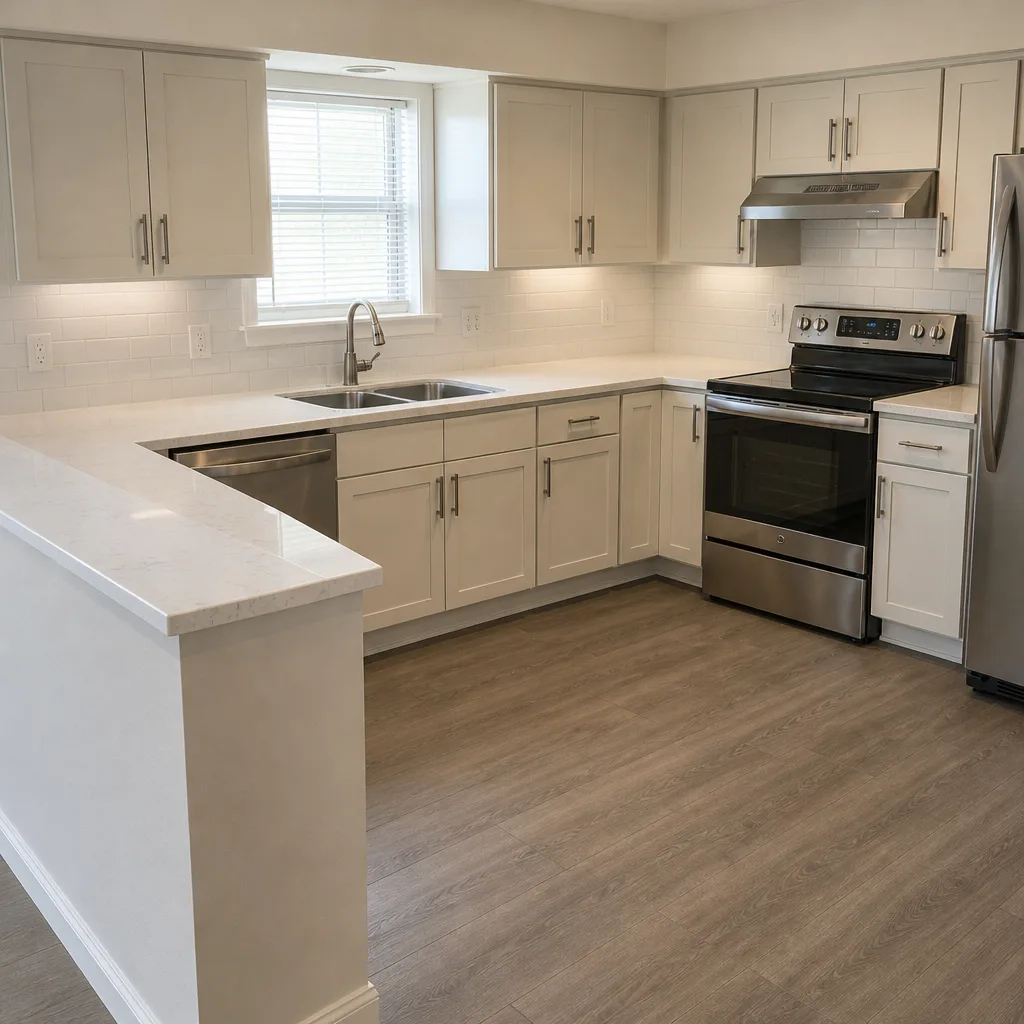 After
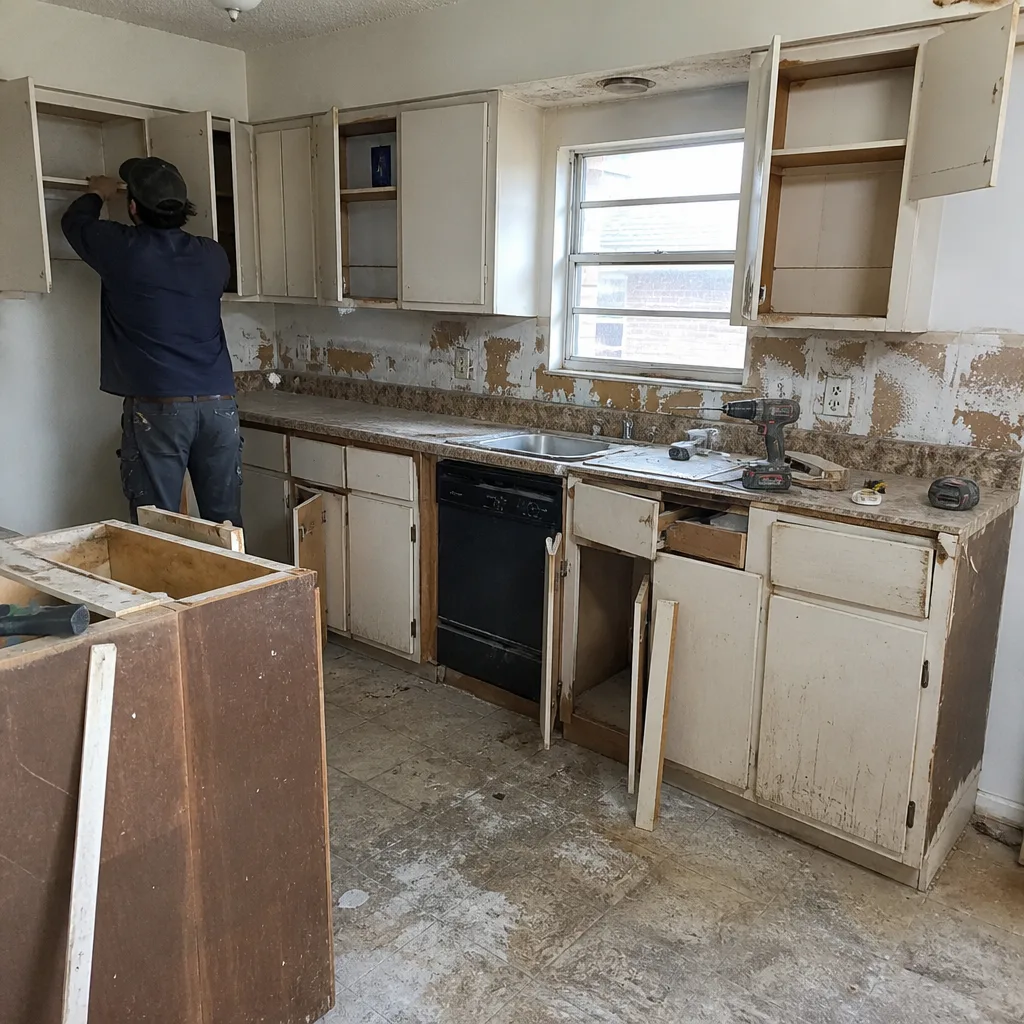 Before
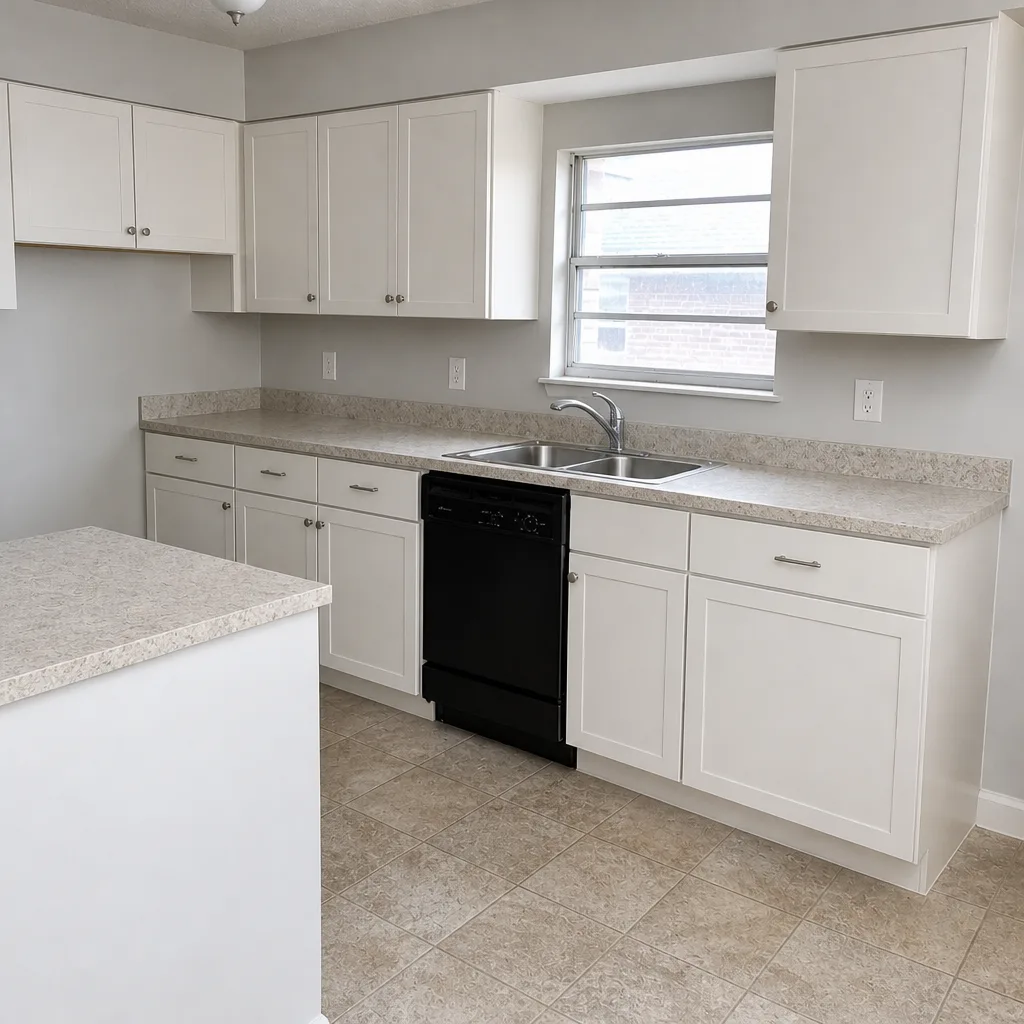 After
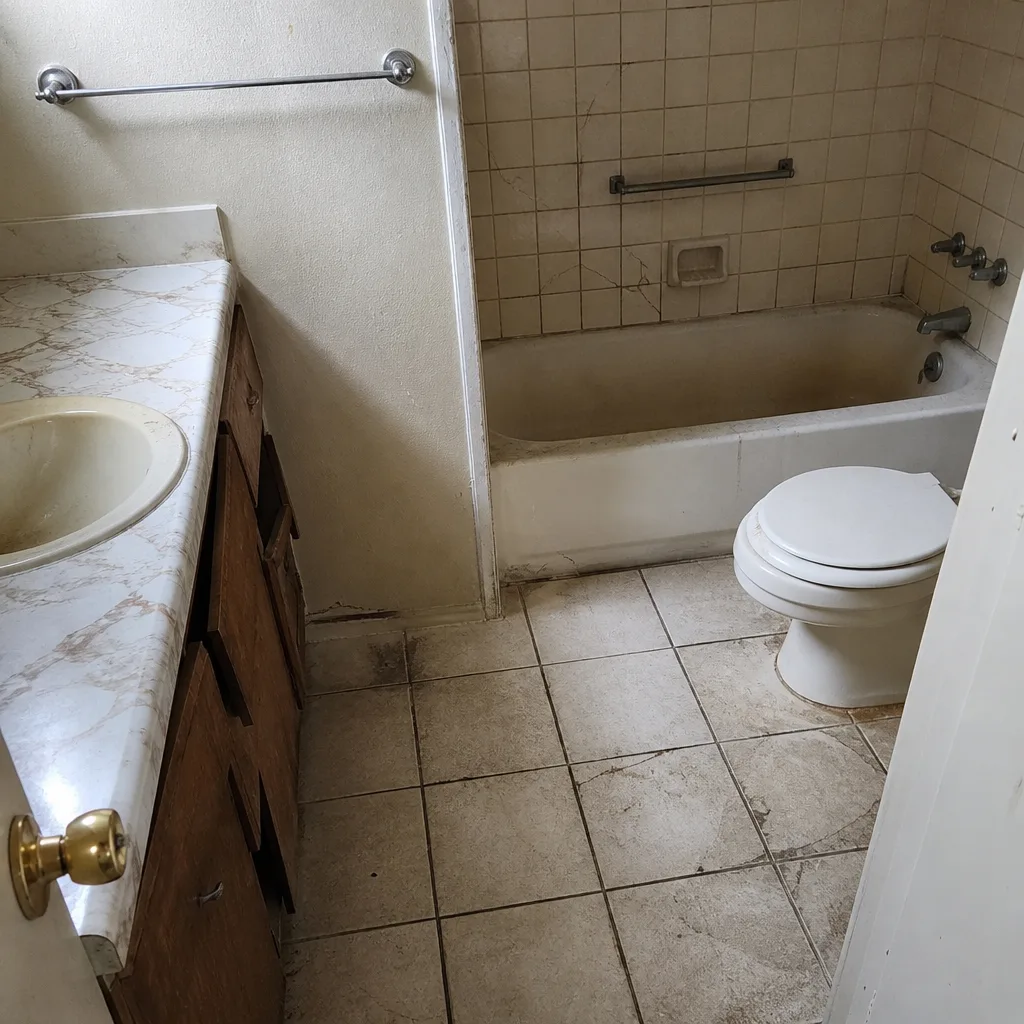 Before
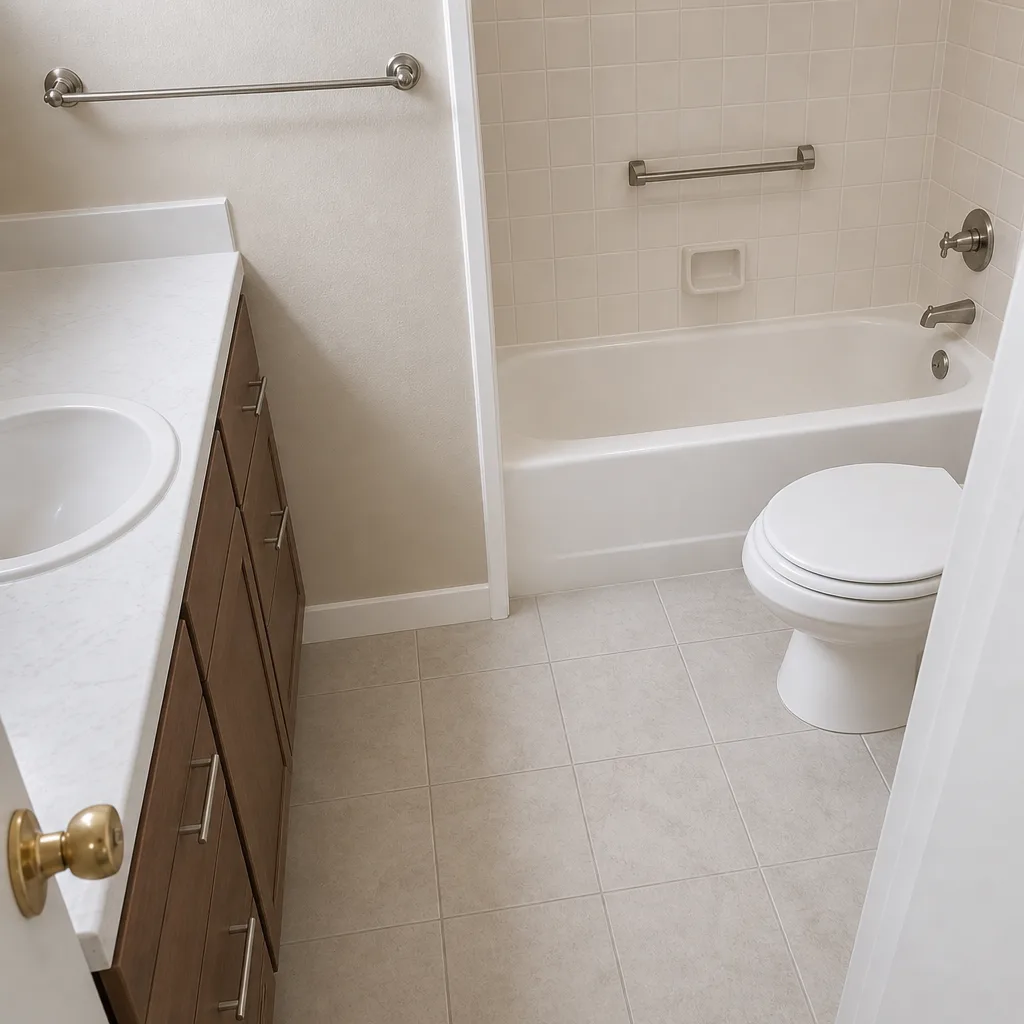 After
When to Call a Professional
Some problems are worth handling yourself with a written notice and a documented walkthrough. Others need a professional in the room. Call a pro when: a subcontractor has filed or threatened a lien, when the contractor has stopped communicating entirely, when the deficiency involves structural, electrical, or gas work, when the job has passed its completion date with no revised schedule, or when the scope itself was vague enough that you’re not sure what was promised. Bradford Remodeling Co McKinney offers free estimates in McKinney – call (844) 834-0609. We’ll walk the job, read the contract, and tell you straight what you’re looking at.
Frequently Asked Questions

A closeout remediation on a partially finished remodel in McKinney typically runs $3,000 to $15,000, depending on how far behind the work is and whether permits need to be re-pulled. Cosmetic punchlist finish-out at the low end; structural corrections or re-inspection at the high end. Call (844) 834-0609 for a free written estimate – we put the price in writing before work starts.
No. Texas law and most construction contracts require specific written notice before you withhold a draw. Send a dated notice naming the deficiency, the contractual basis, and a cure period. Withholding without notice can put you in breach. Call us for a free review of your contract terms.
Substantial completion means the work is complete enough for the owner to use it for its intended purpose, even if minor items remain. Contractors use it to trigger final payment. Define it in your contract, including a 5% to 10% holdback until punchlist closeout, or you’ll pay before the job is done.
Yes. If your GC doesn’t pay the subs, they can file a lien against your property even though you paid in full. Request conditional lien waivers with every draw and keep a written list of subs and suppliers. If a lien appears, get legal advice fast – Texas deadlines are tight.
A kitchen remodel in McKinney typically runs 6 to 10 weeks from demo to closeout; a bathroom runs 3 to 5 weeks. Supply-chain delays on custom cabinets or stone can add two to four weeks. Any contractor who can’t give you a written schedule with dates is a contractor to avoid.
Yes for most structural, electrical, plumbing, and mechanical work. Pulling permits is the contractor’s job, and a real contractor pulls them and passes inspection. If your contractor suggests skipping the permit to “save time,” that’s a red flag, not a shortcut. Call (844) 834-0609 for a free estimate – permits and inspections are part of the job.
The Bottom Line
Most general contractor problems aren’t construction failures. They’re contract failures that showed up as construction failures. The cure is documentation: a written notice before you withhold a draw, a defined substantial completion clause, numbered RFIs, and a punchlist signed by both parties. If you’re remodeling in McKinney, the difference between a finished home and a permanent problem is the paper trail from day one. Bradford Remodeling Co McKinney puts every price and every guarantee in writing before a single tool comes out, and every completed project is covered by the 365-Day Done Right Promise. Call (844) 834-0609 to schedule your free estimate. A live person answers 24/7.
Written by the team at Bradford Remodeling Co McKinney.