Last updated November 18, 2026





Free written scope consultation - allowances, timeline, and change-order rules on paper before a single trade is scheduled
DIY vs Professional Home Remodeling: What’s Safe to Do Yourself
In Texas, you can legally paint every wall in your house this weekend. You cannot legally replace the water heater in the garage. That gap has nothing to do with how hard either job is. It’s licensure law, and most DIY guides never mention it. So homeowners in McKinney pick up a trowel and a youtube habit, then find out at resale that the shower they tiled themselves three years ago has to be torn out. This guide draws the line the right way: by permit law, load-bearing risk, and trade dependency, not by whether you feel handy. You’ll learn what Texas lets you touch, what it doesn’t, and what happens when you get it wrong.
Quick Answer
Safe DIY is limited to cosmetic, non-structural work that touches no permit and no other trade’s downstream work: painting, flooring over a sound substrate, swapping a faucet or light fixture, changing cabinet hardware, and caulking. Anything that requires a McKinney permit or state licensure, moves a wall or header, or must be inspected before the next trade starts (waterproofing before tile, rough-in before drywall) belongs to a licensed professional. Capability isn’t the test. Liability is.
Styles & brands we work with
- Kitchen remodeling
- Bathroom remodeling
- Home additions & ADU
- Roofing
- Windows & doors
- Driveway & pavers
- Fence
Table of Contents
- What Texas permit law lets you do yourself
- The three tests that decide DIY vs professional home remodeling
- The genuinely safe DIY zone
- Trade dependency: why the order of work matters more than your skill
- McKinney and Collin County permit specifics
- The rework premium: what a DIY mistake costs to undo
- Insurance and resale disclosure in Texas
- When to call a professional
What Texas Permit Law Lets You Do Yourself
Texas doesn’t license general contractors at the state level, and that fact fools a lot of people into thinking the whole remodel is wide open. It isn’t. Texas law requires licenses for the specific trades, and local jurisdictions enforce the electrical, plumbing, and mechanical codes on top of that. In practical terms: you can paint, but the state won’t let you pull a permit as an unlicensed homeowner to wire a new circuit, reroute a gas line, or install a whole HVAC system.
Here’s the split you need to keep straight:
- Electrical: Texas requires a licensed electrician for most new wiring, panel work, and anything subject to inspection. Swapping a light fixture or a switch on an existing circuit is generally homeowner territory; adding a circuit for a range or a subpanel is not.
- Plumbing: Licensed plumbers handle new water lines, drain re-routes, gas piping, and water heater replacement. Replacing a faucet or a toilet (no new lines, no gas) is usually allowed.
- HVAC: Licensed mechanical contractors for equipment replacement, ductwork, and refrigerant line work. A homeowner cannot legally handle refrigerant or gas-fired equipment.
- Structural: No license needed to hold a hammer, but a permit is needed for a wall removal, a header change, or a foundation repair. In McKinney, that permit triggers plan review and inspection.
The pattern is simple. The more a task connects to a system other than the surface, the more likely a license or permit is legally required. That’s the first test, and it’s not a gray area. It’s written into the code.
The Three Tests That Decide DIY vs Professional Home Remodeling
Skill matters when you pick up a tool. It has almost nothing to do with whether a job is legal for you to do. Three tests settle that, and if a job fails any one of them, the answer is a professional.
- Does it need a permit? If the jurisdiction requires a permit and inspection for the scope, doing it unpermitted is a code violation, not a shortcut. It also creates a record problem downstream.
- Does it touch a load-bearing element? A wall might look non-structural to you. A structural engineer’s stamp in a plan set decides. Knocking out a wall that turns out to carry a header is one of the most expensive mistakes a homeowner can make in McKinney, because the fix involves an engineer, permits, and new framing.
- Does it feed another trade’s work? If your work will be covered up before another trade can inspect it, you’ve created a dependency you can’t manage alone. The clearest example is waterproofing a shower yourself, then tiling over it, then discovering at inspection that the membrane failed.
We’ve seen all three fail on the same job. A homeowner removes a half-wall, tiles the floor, and runs a new outlet, all in one weekend. The wall carries a header, the floor tile hides a membrane that was never checked, and the outlet needs a licensed electrician to correct it. Three tests failed in three days. The rework estimate came in higher than the original remodel would have cost, done right.
Run all three before you buy a single material. If any test says permit, load-bearing, or trade-dependent, the safe call is a professional crew. Our General Contractor in McKinney page walks through how the permit side works in practice.
The Genuinely Safe DIY Zone
The safe zone is real, and it’s bigger than a lot of contractors will tell you. It’s cosmetic, non-structural, non-permitted, and it doesn’t touch another trade’s work. If a job fits all four, you can do it yourself with reasonable confidence and no legal exposure. Here’s what fits:
- Painting walls, ceilings, and trim. Prep, prime, two coats. No permit, no trade dependency.
- Swapping cabinet hardware and doors. Holes and hinges only. No structural impact.
- Replacing a faucet or showerhead on existing supply lines, with the water shut off and new supply hoses. No new lines, no permit.
- Installing floating shelves or a new mirror into studs. Confirm joists and studs before drilling, and don’t hit plumbing or wiring.
- Updating a toilet without moving the drain or supply line.
- Replacing a light fixture or switch on an existing circuit, power off at the breaker, no new wiring.
- Flooring over a sound substrate where there’s no moisture issue and no subfloor repair needed.
- Caulking, grout touch-ups, and weatherstripping. Low risk, real payoff.
Notice what all of these have in common: they’re cosmetic and reversible, and they don’t affect what’s behind the drywall. A faucet or fixture swap is a good example of where premium brands matter. If you’re replacing with a Kohler or Moen fixture, stay with the same rough-in dimensions and the swap is straightforward. Change the rough-in and you’re into a licensed plumber’s scope. Our Bathroom Remodeling in McKinney team sees that line crossed often when a homeowner upgrades a fixture and ends up needing a plumbing permit.
If a job is in the safe zone, stay in the safe zone. Don’t escalate mid-project.
Trade Dependency: The Part Most DIY Guides Miss
Trade dependency is the reason a well-intentioned DIY job can fail a buyer’s inspection three years later. It’s not about how well you worked. It’s about what got covered up before anyone could check it.
The shower is the clearest case. The correct order is: framing, plumbing rough-in, waterproofing membrane and flood test, inspection, then tile. A homeowner who tiles over a membrane they installed themselves skips the inspection. If the membrane was installed wrong (wrong slope, wrong overlap, no flood test), nobody finds out until the grout fails, the framing rots, or a buyer’s inspector probes a soft spot. The cost to fix at that point is more than the tile job was worth.
The same pattern shows up in three places in McKinney:
- Kitchen: removing a wall or changing the footprint affects electrical, plumbing, and cabinetry all at once. Cabinet install depends on drywall, which depends on rough-in, which depends on permits.
- Bathroom: waterproofing before tile, rough-in before backer board, no exceptions.
- Whole-home: re-routing HVAC, moving a water heater, or adding a subpanel changes what other trades can do afterward.
If your work will be visible to the next trade, or hidden from an inspector, it’s a dependency problem. That’s where we see the biggest rework bills, and it’s the reason we document every stage before the next one starts. Our Kitchen Remodeling in McKinney team handles those dependencies in order, with the permit and inspection trail intact.
McKinney and Collin County Permit Specifics
McKinney enforces the International Residential Code through the city’s building department, and Collin County handles unincorporated parcels. The practical effect for homeowners is this: electrical, plumbing, gas, HVAC, and structural work all require a permit and inspection, and the licensed trade pulls that permit. A homeowner who does the work without a license can’t legally sign as the responsible party on a permit that requires it. That’s a legal fact, not a suggestion.
What that means on the ground in McKinney:
- Bathroom and kitchen remodels that move any plumbing or electrical need permits before the first stud moves.
- Water heater replacement is a plumbing permit and a licensed plumber, in most cases. Gas-fired units add a mechanical permit.
- Panel work and new circuits are an electrician’s scope, permitted and inspected.
- Wall removal requires a structural review, permit, and inspection if it’s load-bearing, which you cannot verify on your own.
- Fences, sheds, and decks over the height and footprint thresholds need permits, and those thresholds are set by McKinney’s code, so check the current schedule before you dig.
The city’s inspection schedule also matters for your timeline. A realistic McKinney bathroom remodel runs weeks, not weekends, because each inspection window adds days. Planning the permit sequence before you buy tile is the difference between a smooth job and a stalled one.
The Rework Premium: What a DIY Mistake Costs to Undo
The rework premium is the cost of undoing work before the correct work can start. It’s the number nobody quotes up front, and it’s the reason a DIY “savings” can turn into a loss. Here’s the honest range for a McKinney-area rework project, based on what we see:
- Removing and redoing a failed shower waterproofing and tile: $2,800 – $5,500 in demo and rebuild, before the tile itself.
- Correcting unpermitted electrical (new panel work or rejected inspection): $1,200 – $3,800, depending on how much has to be opened up.
- Structural correction after removing a load-bearing wall without engineering: $6,000 – $18,000, and that’s before cosmetic repair.
- Plumbing re-route after a homeowner-installed water heater fails inspection: $800 – $2,200.
Add 15 – 30% for the finishing trade that has to follow the correction. The rework premium is what makes “I’ll just do it myself” the more expensive choice on any job that fails one of the three tests above. It’s also why our process puts a written price in front of you before any tools come out, so the scope and the correction are both on paper.
A written quote is the single best protection against rework. Call (844) 834-0609 to schedule a free estimate and get a written price range for your project.
Insurance and Resale Disclosure in Texas
Unpermitted work in a permitted area creates two risks most DIY guides skip: insurance coverage and disclosure.
Insurance: If a fire, leak, or structural failure traces back to unpermitted or unlicensed work, the claim can be denied or reduced. Insurers look for the permit trail and the licensed contractor’s documentation. If neither exists, you’re exposed. That’s a coverage question, not a scare tactic, and it’s worth a call to your own insurer before you start a job that needs a permit.
Disclosure: Texas requires sellers to disclose known defects and material facts in a residential sale. Unpermitted work in a permit area is exactly that. If you did it, you have to disclose it, or you’re exposing yourself to a claim after closing. A buyer’s inspector who finds unpermitted work can also walk the sale. That’s the real risk, and it’s why the safe answer for any permit-required job is to bring in a licensed crew that leaves a paper trail.
If you’re planning a sale in the next three to five years and have done work yourself, get the project re-inspected by a licensed professional now rather than at the buyer’s inspection. Our Bradford Remodeling Co McKinney home page has a rundown of how the written process works.
Common Mistakes to Avoid
- Tiling a shower over a membrane you installed. The membrane is the part that gets inspected. If you tile before the flood test passes, the whole bathroom comes out.
- Removing a wall because it “looks non-structural.” In McKinney, the only reliable test is a plan set with a structural review. A header you didn’t see is a $6,000 – $18,000 correction.
- Replacing a water heater yourself. This is a plumbing permit and, on gas units, a mechanical permit. It’s not legal for an unlicensed homeowner, and the inspection will catch it.
- Adding an outlet “just for the kitchen.” New circuits are an electrician’s scope. A homeowner can swap a fixture; a homeowner can’t wire a circuit.
- Buying cabinet hardware before the cabinets are set. Hardware that doesn’t line up after installation is a costly return, and cabinet suppliers like KraftMaid and Wellborn publish their hole specs, so check those first.
- Skipping the permit to “save time.” In McKinney, the permit sequence is what keeps the trades in order. Skipping it means the finished job has no inspection trail, which becomes the buyer’s inspection problem at resale.
- Doing cosmetic work before the rough-in passes. Drywall over un-inspected rough-in is the most common dependency failure we see, and it always means re-opening the wall.
See the difference
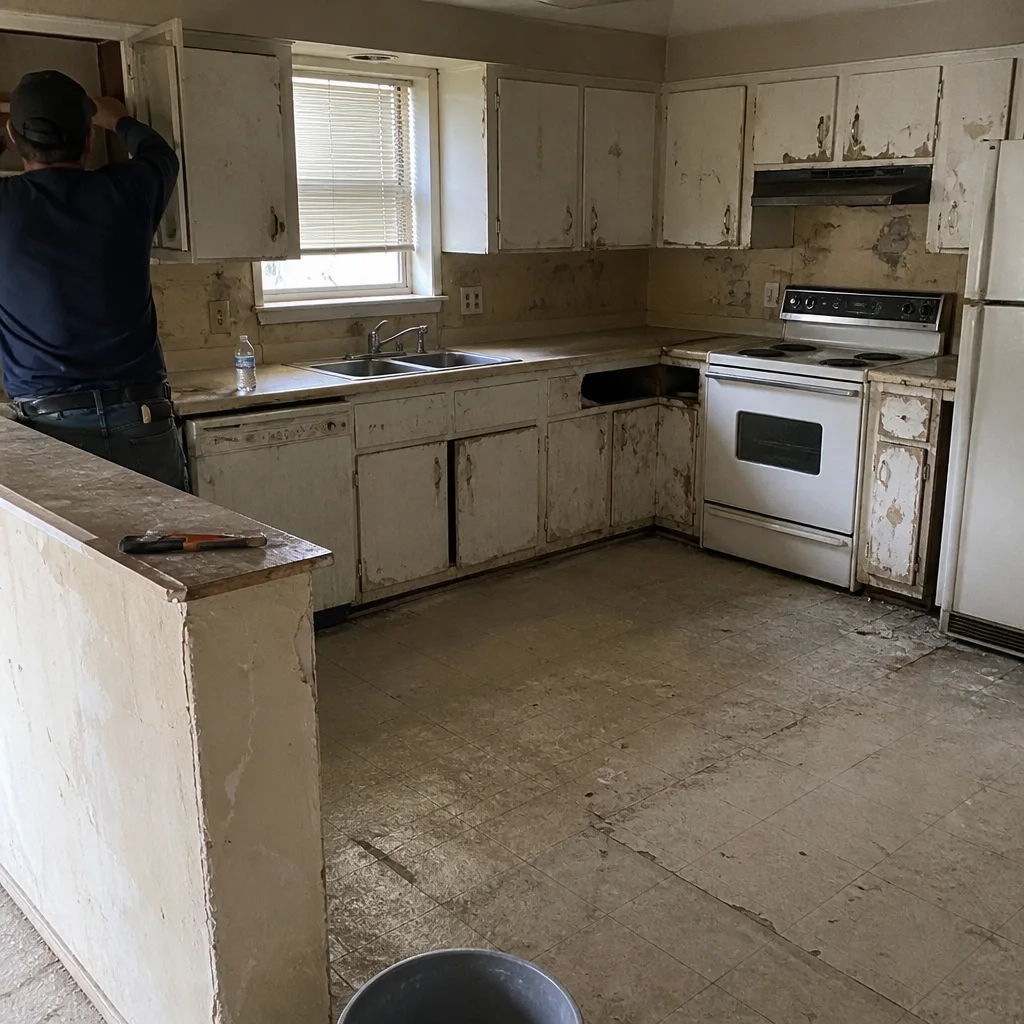 Before
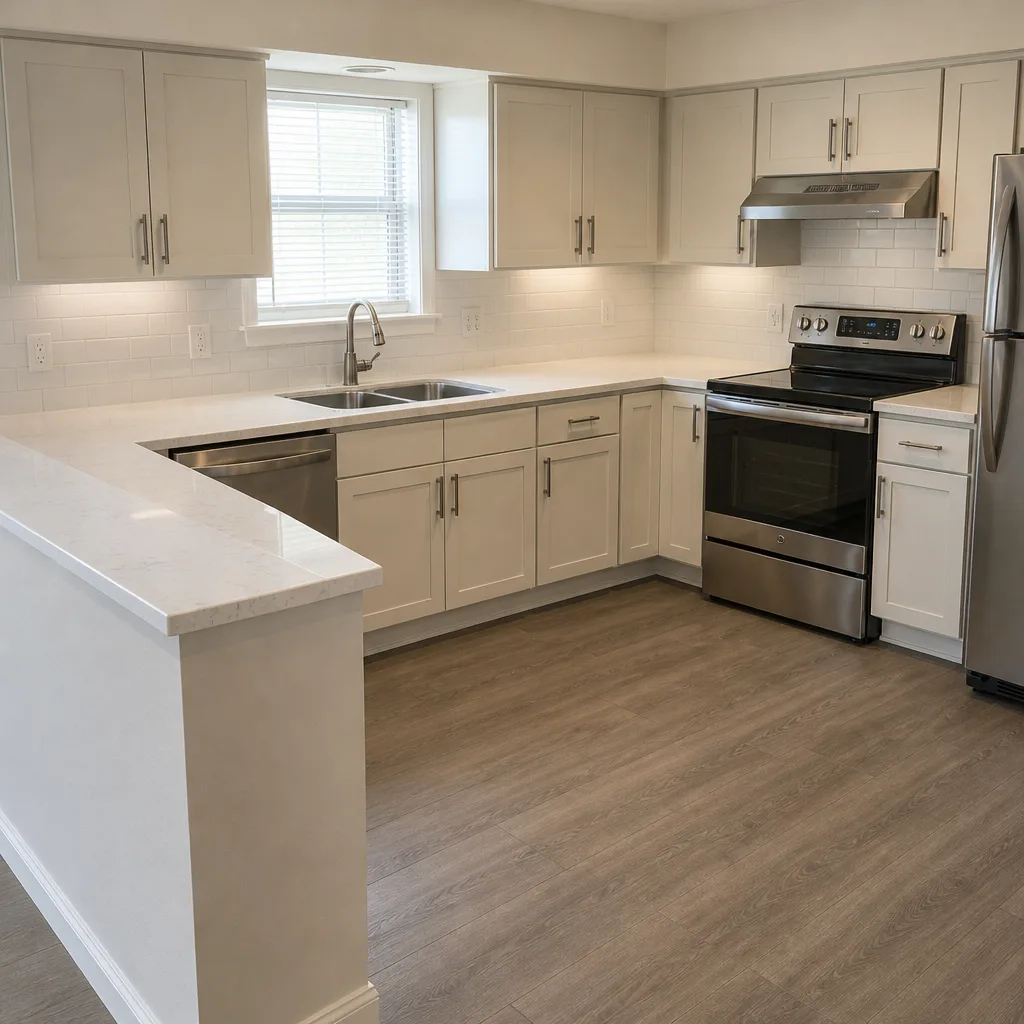 After
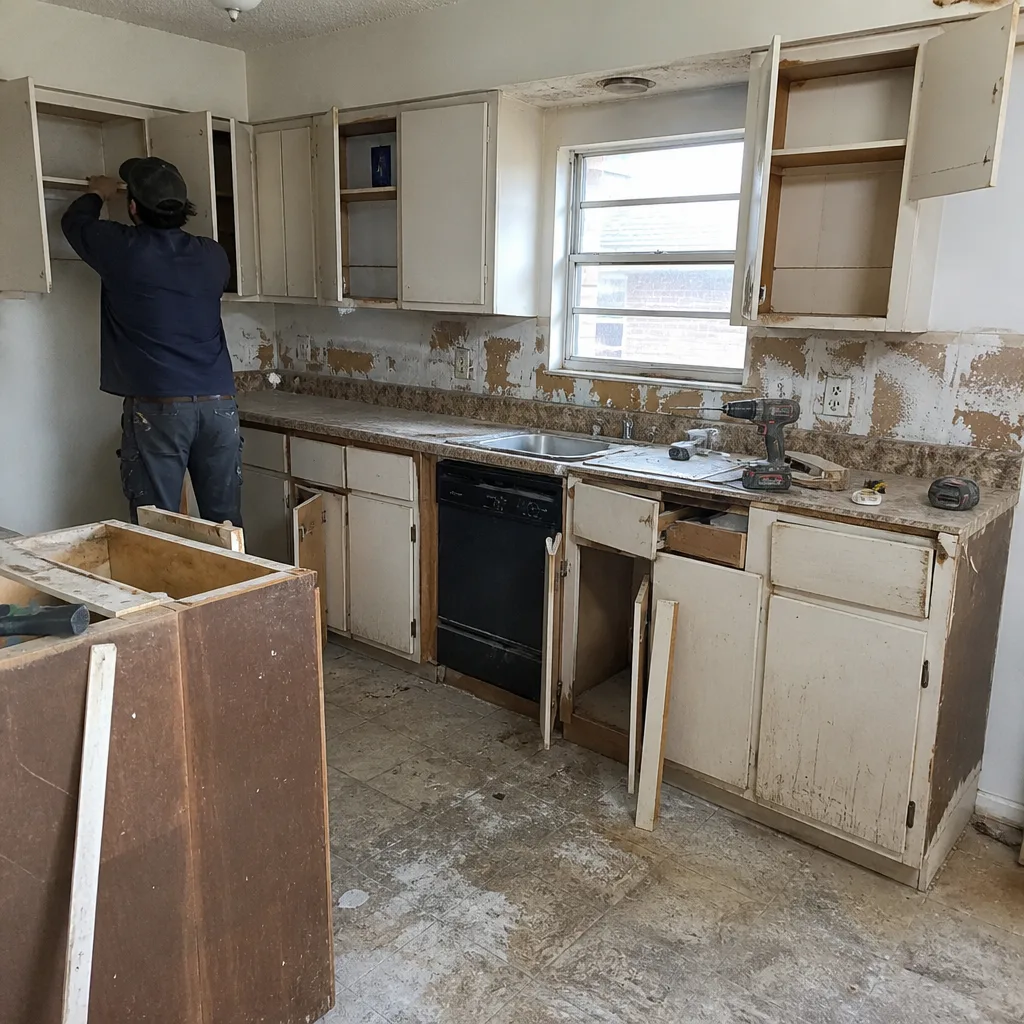 Before
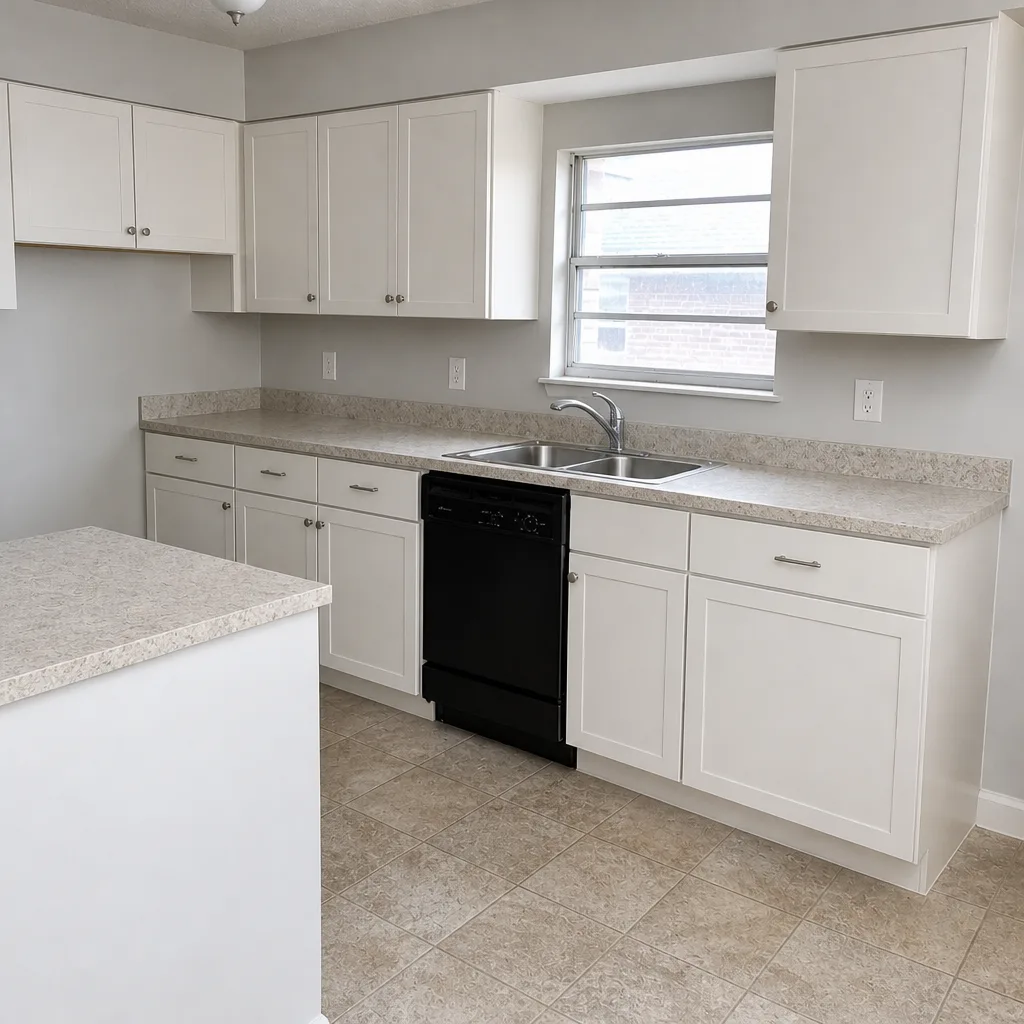 After
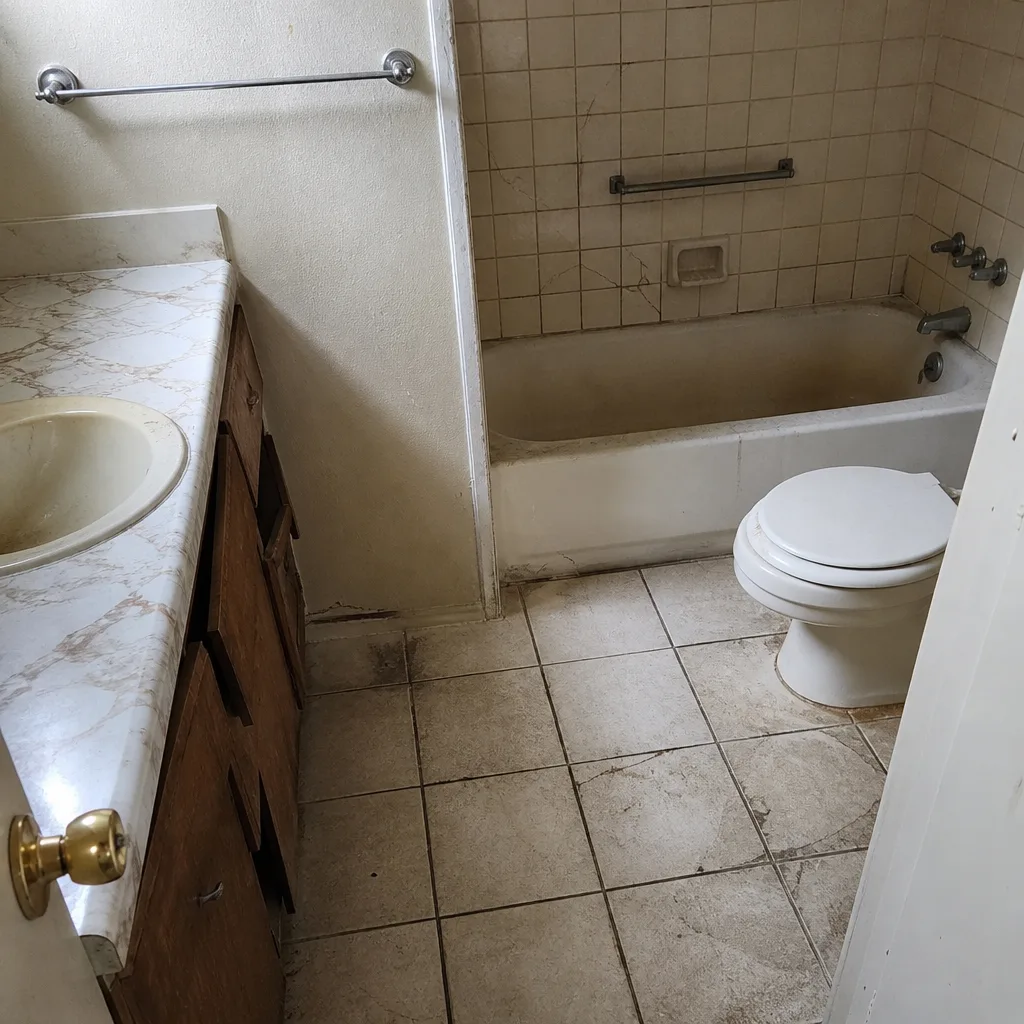 Before
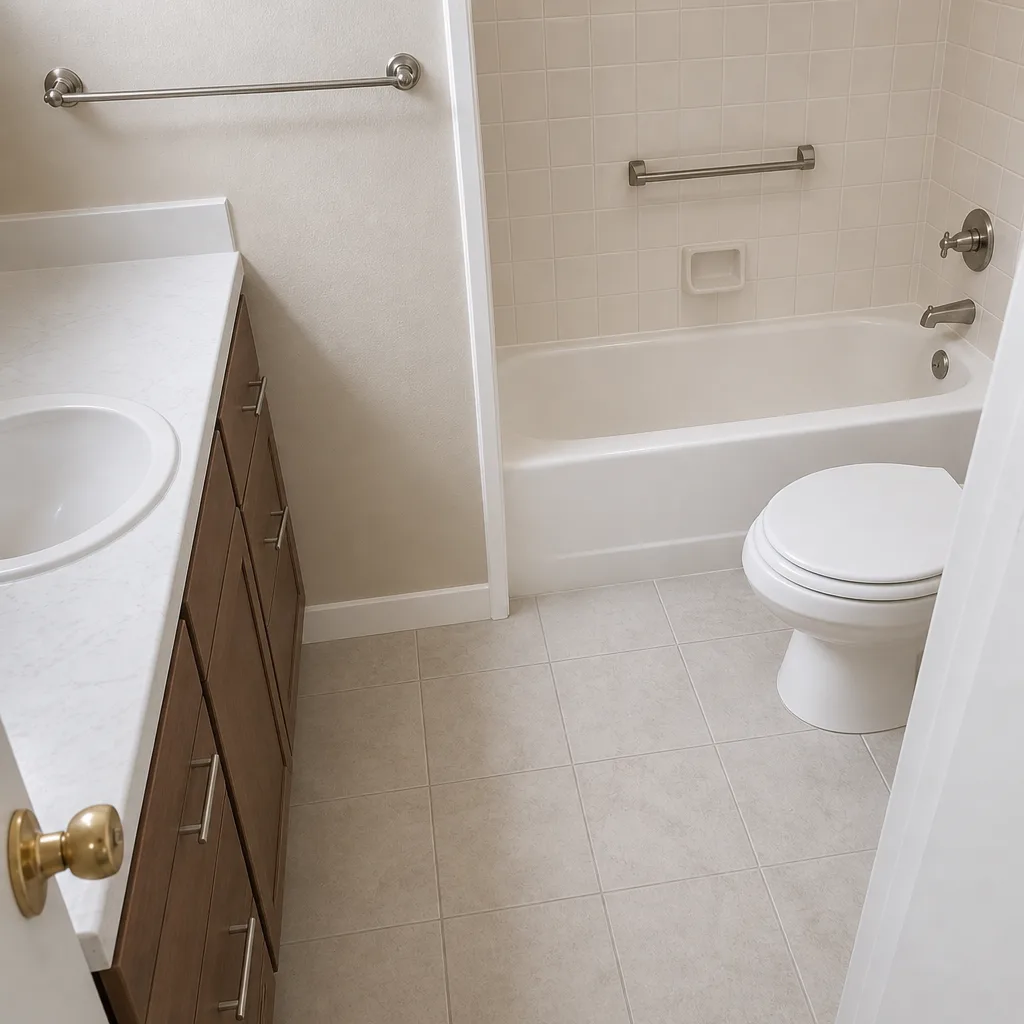 After
When to Call a Professional
Call a pro the moment any of these is true: the job requires a McKinney or Collin County permit; it touches a load-bearing wall or header; it involves electrical, plumbing, gas, or HVAC; or it will be covered by another trade’s work before inspection. Those four conditions are the whole test, and none of them are about your skill. Bradford Remodeling Co McKinney offers free estimates in McKinney, with a written price before any work starts, backgrounds checked on every technician, and every completed project covered by the 365-Day Done Right Promise. Call (844) 834-0609 to schedule your free estimate.
Frequently Asked Questions

No, not for anything that requires a permit or a licensed electrician, which covers new circuits, panel work, and most kitchen and bath wiring. You can generally swap a light fixture or switch on an existing circuit with the power off. If the job adds wiring or a breaker, it needs a licensed electrician and an inspection. Call (844) 834-0609 for a written estimate on the electrical portion of a remodel.
Not as an unlicensed homeowner doing the plumbing and gas connection. Water heater replacement typically requires a plumbing permit, and gas-fired units add a mechanical permit. The licensed trade pulls the permit and signs off on the work. A contractor can handle that permit and the inspection in one pass. Call (844) 834-0609 to get the scope and the written price before work starts.
You own the failure, and it can fail a buyer’s home inspection years later. The membrane and flood test have to pass before tile goes on, and if they were skipped, the standard correction is to remove the tile, redo the waterproofing, and re-tile. That’s the rework premium: roughly $2,800 – $5,500 in demo and rebuild before the tile goes back. A written estimate from us covers both the scope and the inspection trail. Call (844) 834-0609 to schedule one.
It can. If a fire, leak, or structural failure traces back to unpermitted or unlicensed work, an insurer can deny or reduce the claim. The fix is a permit trail and licensed documentation, which is why any job that needs a permit should be done by a licensed crew. Call (844) 834-0609 for a free estimate that leaves a paper trail.
Yes, if it’s a known defect or material fact, including unpermitted work in a permit area. Texas residential sale disclosures require it, and a buyer’s inspector who finds unpermitted work can walk the sale. Getting the work corrected and documented before listing avoids the problem. Call (844) 834-0609 to schedule a written estimate on the correction.
Weeks, not weekends, once permits and inspections are factored in. The McKinney inspection schedule adds days to each stage, and a realistic kitchen runs several weeks end to end; a bathroom is on a similar scale once the plumbing and waterproofing inspections are scheduled. The written price we give you includes the permit and inspection sequence so the timeline is on paper. Call (844) 834-0609 to schedule your free estimate.
The Bottom Line
The line between DIY and professional isn’t about whether you’re handy. It’s about three tests: permit, load-bearing, and trade dependency. Painting, flooring, fixture swaps, and hardware are yours to do. Anything that needs a McKinney or Collin County permit, touches a wall that carries a header, or gets covered before inspection belongs to a licensed professional, because the downside isn’t a bad finish, it’s denied insurance, a failed resale inspection, and a five-figure correction. We put every price and every guarantee in writing before work starts, and the 365-Day Done Right Promise backs the finished job for a full year. Call (844) 834-0609 for a free estimate in McKinney.
Written by the team at Bradford Remodeling Co McKinney.