Last updated November 18, 2026








Free written scope consultation - allowances, timeline, and change-order rules on paper before a single trade is scheduled
General Contractor Warning Signs Every Homeowner Should Know
A contractor who offers you a discount for paying cash isn’t saving you money. They’re signaling they intend to work without a permit, which means you own the liability for every code violation on your property. That’s the counterintuitive truth about hiring: the loudest red flags aren’t a missing license or a blank insurance line. They’re the paperwork habits and communication patterns in the first 72 hours. We’ve watched McKinney homeowners get burned by exactly these, and we wrote this guide to show you what experienced contractors look for before a single tool comes out. You’ll learn the five patterns that actually predict a bad outcome, and how to verify a Texas contractor in under five minutes.
Quick Answer
The biggest warning signs when hiring a general contractor are a vague written scope, a payment schedule front-loaded against you, no verifiable bond, evasiveness under five minutes of questions, and communication that goes quiet after signing. A missing license is easy to check and easy to fake. Poor paperwork is harder to spot and far more predictive. Verify a Texas contractor’s license, complaint history, and bond through TDLR’s online lookup before you sign anything, and insist on a written price and a line-item scope before work starts.
Styles & brands we work with
- Kitchen remodeling
- Bathroom remodeling
- Home additions & ADU
- Roofing
- Windows & doors
- Driveway & pavers
- Fence
Table of Contents
- Why a Vague Scope of Work Is More Dangerous Than a Missing License
- Payment Schedules That Legally Favor the Contractor
- How to Verify a Texas Contractor in Under Five Minutes
- What It Means When a GC Can’t Name Their Surety Bond Carrier
- The Communication Behavior That Predicts Whether They Finish
- The Cash Discount and the Permit Problem
- What McKinney Homeowners Specifically Should Watch For
Why a Vague Scope of Work Is More Dangerous Than a Missing License
Homeowners obsess over the license and ignore the scope. That’s backwards. A license is a phone lookup. A vague scope is a slow leak that ends up costing thousands because the contractor never wrote down what they agreed to build. When we review a competing bid alongside a homeowner in McKinney, the scope is where the wheels usually come off. Words like “prep and install” or “update fixtures” hide the real question: prep with what method, install how many units, update which fixtures and who pays for them.
A properly written scope of work has seven parts, and each one answers a specific dollar-and-cents question:
- Demolition and disposal: what comes out, and who pays the dumpster fee.
- Substrate and framing: the flat surface under the finish that the next layer sits on. If the scope doesn’t define what happens if the existing substrate is rotten or uneven, you pay extra for it later.
- Materials by brand and model: “quartz countertop” is not a specification. “Cambria Ironsbridge, 3cm, eased edge” is. Anything less is an invitation to substitute cheaper material at install.
- Rough-in: the plumbing, electrical, and HVAC work buried behind the walls. If this line is missing, the finish budget has already eaten the rough-in budget.
- Permit responsibility: who pulls it, who pays for it, who meets the inspector.
- Timeline and milestone dates: not “4-6 weeks” but “drywall complete by [date].”
- What’s excluded: the exclusions list is often more revealing than the inclusions. Every exclusion is a change order waiting to happen.
When a bid lists none of these, it isn’t a cheaper version of the same job. It’s a different, worse job that will cost more once the surprises surface. Our general contractor in McKinney quotes put every one of these lines in writing with a fixed price attached, because the scope is the contract, not decoration.
Payment Schedules That Legally Favor the Contractor
Texas has no statewide cap on contractor deposits, which is exactly why the payment schedule is the second thing to check. A schedule that front-loads 50% at signing shifts all the risk to you. If the contractor walks, gets sick, or takes a bigger job, your money is already spent on their materials and their overhead, and you have no leverage. The schedule that protects you spreads payment against completed, inspected work.
Here’s how to read any schedule in front of you:
- Large deposit, small progress payments: the front-loaded bid. Anything above 10-15% at signing in McKinney deserves a hard question.
- Payment before rough-in inspection: the schedule assumes you’ll pay for hidden work you can’t verify yet. Pay for rough-in only after the city inspector signs it off.
- No retention clause: a fair contract holds back a final percentage until the punch list is complete. Without it, small fixes drag for months.
- “Final payment due at substantial completion” sounds fine until you learn that “substantial” can mean 90% done. Define completion in the contract as every punch item closed.
- Payments due on calendar dates rather than milestones: a red flag. The contractor is selling you a schedule, not a result.
A schedule we’d stand behind pairs dollar milestones to inspected work and puts the final chunk against a signed completion. If a contractor argues that’s unreasonable in McKinney, that argument is itself information. Our Bradford Remodeling Co McKinney home explains how we structure a written price before work begins so the schedule matches the scope.
How to Verify a Texas Contractor in Under Five Minutes
You can verify a Texas contractor in under five minutes with a phone and a browser, and you should do it before you sign anything. The Texas Department of Licensing and Regulation (TDLR) runs a free online lookup. You’ll also want the bond and insurance straight from the carrier, not from the contractor’s word. Here’s the sequence we recommend:
- TDLR lookup: enter the contractor’s name or license number at the TDLR site. Check status, expiration date, and any complaint history attached to the license.
- Read the complaint notes, not just the count: two resolved complaints with written remedies mean more than a clean file that’s only a month old.
- Ask for the surety bond carrier name and number: write it down. Call the carrier and ask if the bond is active and what it covers.
- Call the general liability carrier and confirm coverage limits and that the policy is current.
- Check the business entity: the name on the license should match the name on the contract and the name on the insurance certificate. Mismatches are the third rail of contractor verification.
- Ask who pulls the permit: if the answer is “the homeowner pulls it,” the contractor has just volunteered your name for the liability.
When a general contractor in McKinney can’t give you the bond and insurance carrier names without a look of confusion or a “let me check and get back to you,” that is itself a finding. A real contractor knows these numbers and answers in seconds. It’s the same discipline that shows up later in a clean site and a signed guarantee.
What It Means When a GC Can’t Name Their Surety Bond Carrier
A surety bond is what pays out if the contractor takes your money and disappears, or damages your property and won’t cover it. It is not the same as insurance, and it is not the same as a license. If a general contractor in McKinney can’t name their surety bond carrier on the spot, that failure tells you three things at once. First, the contractor either doesn’t carry a bond or is relying on the license bond they’ve never actually read. Second, the paperwork is not their strength, which predicts chaos once work starts. Third, they’ve never had to file a claim against their own bond, which means they’ve never had a project go sideways in a way that required one.
Ask the question in plain language: “Who is your surety bond carrier, and what’s the bond number?” A disciplined contractor answers before you finish the sentence. A disorganized one says “I’ll find it.” Write down whatever they say, then verify. When a project fails and the contractor won’t return calls, that bond is the only route to recover anything. The contractor who can’t name it is telling you that route doesn’t exist for you. Our own projects run on a written price and a signed one-year guarantee, which is the local, tangible version of the same principle: the promise has to be in writing, with a name and a phone number behind it.
The Communication Behavior That Predicts Whether They Finish
In our experience, you can tell whether a remodel will finish on schedule from the first week of behavior. The signal isn’t eagerness. It’s the boring patterns: who answers the phone, who responds in writing, who tells you when they’ll be back on site. Contractors who go slow and clear on paperwork in week one finish cleaner than contractors who are fast and vague.
Watch these behaviors in the first 72 hours:
- Response time: a same-day reply during the estimate phase is normal. A five-day silence between signing and demo is a warning that applies to every phase of the project.
- Written recaps: after each conversation, a good contractor sends a two-line email or text summarizing what was discussed and what was decided. If verbal only, the scope quietly changes.
- Who answers the phone: if every call goes to voicemail after the deposit clears, the job has a slow leak. Live-person coverage isn’t a luxury; it’s a leading indicator.
- Subcontractor introductions: a disciplined contractor introduces the electrician and the plumber by name before they show up. “Whoever shows up wearing a shirt” is not a plan.
- The verbal-only change: the first time a crew member asks you to “just sign off on this extra” without a written change order, the pattern has started. Every subsequent change will come the same way.
These habits predict schedule and quality more reliably than any single credential, because they live inside the project where a license can’t help you. The kitchen remodeling in McKinney projects we run are tracked against written milestone dates for exactly this reason.
The Cash Discount and the Permit Problem
A cash discount sounds like a favor. It is a warning. When a contractor offers to knock 10% off for cash, the usual trade is the permit. Skipping the permit saves the contractor time and money, but it leaves you holding the code violations, the failed inspections if you ever sell, and the insurance disputes if something goes wrong. The city doesn’t care that you paid cash. It cares that the work wasn’t inspected.
Over the years, we’ve seen plans denied and appraisals clawed back on unpermitted baths and additions in McKinney, and the homeowner paid the contract price twice: once for the work, once for the remediation. The cash discount isn’t a fraction of the contract. It’s a fraction of the future remediation cost, which you own entirely.
What to check when cash comes up:
- Ask the contractor directly: “Will this work be permitted and inspected?” Get the answer in writing.
- Ask for the permit number and the inspection sign-off sheet.
- Ask who owns the liability if the work fails inspection. If the answer is “you do,” walk.
Permits and inspections protect the homeowner’s asset, not the contractor’s reputation. A contractor who suggests skipping them is telling you where their priorities sit. Our bathroom remodeling in McKinney page explains how permits and inspections fit into the written scope on the projects we manage.
What McKinney Homeowners Specifically Should Watch For
McKinney sits in the northern Collin County weather corridor, and the local climate shows up in the specific ways remodels fail. Summer heat can push attic temperatures over 120°F, and the swing between a hot attic and a cool house works seams and caulk lines harder than in most of the country. Roofs and exterior trim in McKinney see the same cycle. A general contractor who can’t explain how they’re accounting for that thermal expansion is already missing a detail that will come due in year two. That’s why the 365-Day Done Right Promise on our projects excludes nothing related to installation failures and includes a free return visit if anything we installed fails inside the first year.
Local code also differs from the national templates. The City of McKinney runs its own permitting and inspection process for most residential work, and the specifics matter. Older homes in the Historic District bring fire-separation and egress requirements that don’t apply to newer builds off Ridge Road and the surrounding subdivisions. A contractor who quotes you without confirming the inspection path is quoting you blind.
In our experience, the McKinney red flags cluster around three habits: bids that don’t name the local inspector’s timeline, scopes that skip the substrate replacement because “the existing one looks fine,” and schedules that promise a four-week kitchen without confirming cabinet lead times. When we review a Cambria or Caesarstone countertop quote, the lead time on the slab is part of the written price and the schedule. That’s the discipline a real local contractor brings, and it’s easy to spot in the first meeting.
Common Mistakes to Avoid
- Choosing on price alone. The lowest bid in McKinney is usually the vaguest scope. Price without a line-item scope isn’t a quote. It’s a wish.
- Signing a contract with no inspection clause. The inspection is the only independent check on the work. Skip it and you’re the inspector.
- Ignoring the change-order process. A verbal “we’ll just add that on” becomes a surprise line item at final payment. Every change goes in writing, with a price.
- Paying for rough-in before it’s inspected. Pay after the city signs off, not after the crew says it’s done.
- Accepting a cash discount to skip permitting. You’re the one holding the liability on unpermitted work in McKinney.
- Believing “we finish in three weeks” when the material lead times say otherwise. Cabinet and countertop lead times can stretch past the entire estimate. Confirm them in writing.
- Skipping the verification calls. The license, bond, and insurance check takes five minutes. It saves you months.
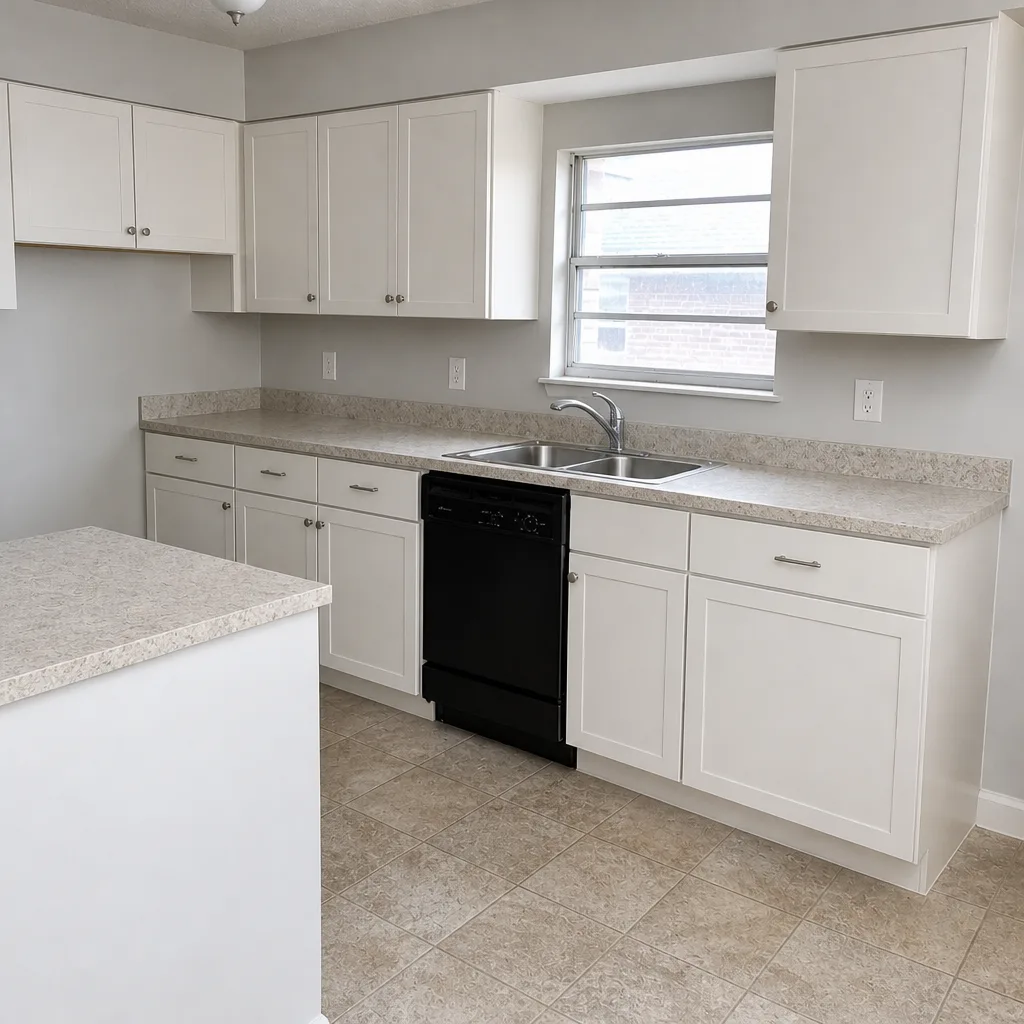
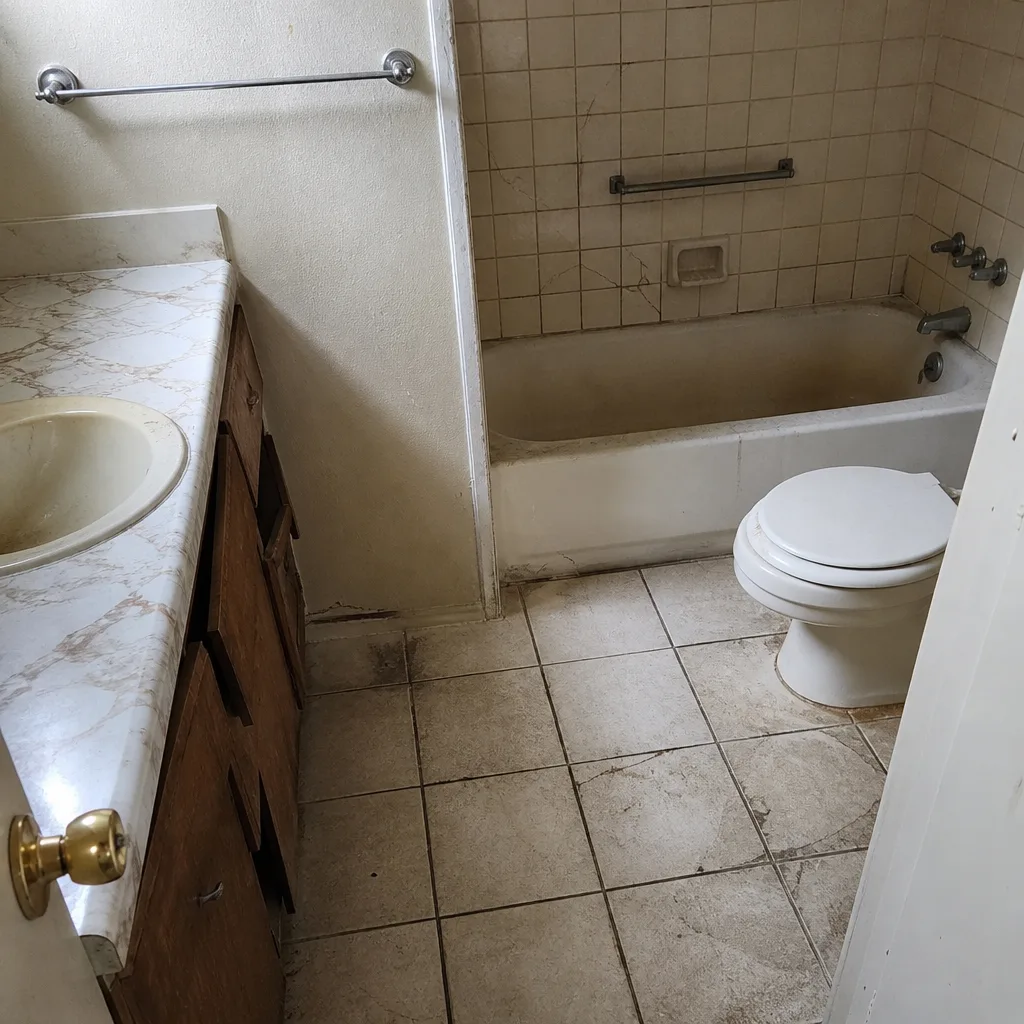
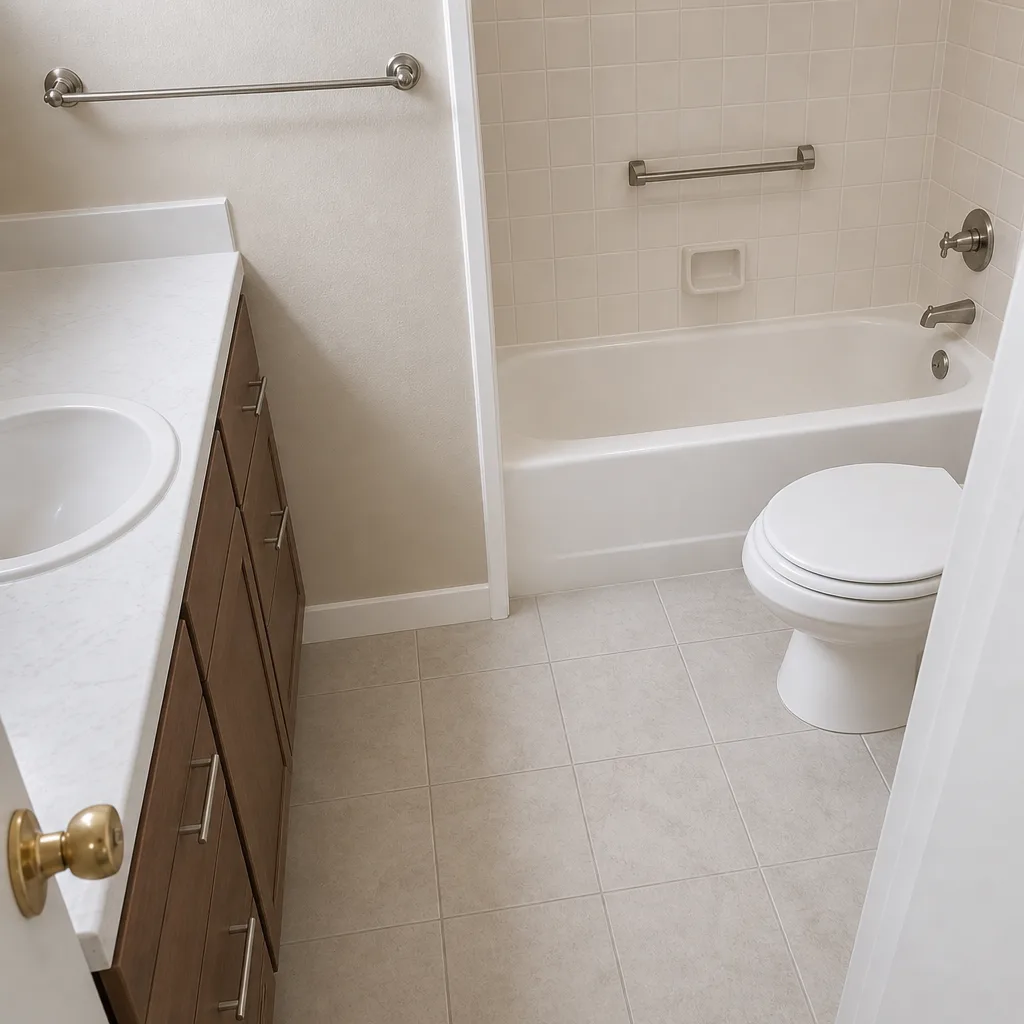
See the difference
 Before
 After
 Before
 After
 Before
 After
When to Call a Professional
Call a professional the moment a scope looks vague, a payment schedule front-loads the deposit, or a contractor can’t produce a bond carrier on the spot. Those are the moments to walk, not to negotiate. If you’ve already signed and work has started, call when the first verbal change order appears, when inspectors fail the rough-in, or when a contractor stops answering the phone for more than a few days. In each case, an independent quote gives you a real comparison. Bradford Remodeling Co McKinney offers free estimates in McKinney, and every quote comes with a written price and a line-item scope. Call (844) 834-0609 to schedule your free estimate.
Frequently Asked Questions

A vague written scope of work. The scope is where surprises hide, and a contractor who won’t put materials, substrate work, rough-in, permits, and exclusions in writing is telling you the contract won’t protect you. Call (844) 834-0609 for an exact quote, and we’ll walk you through what a real scope looks like.
Use the TDLR online lookup to check license status and complaint history, then call the bond and insurance carriers to confirm active coverage. It takes under five minutes, and any contractor who resists it is giving you the answer you need.
Yes. A cash discount is usually a signal that the contractor intends to skip the permit, which transfers the liability for code violations to you. Paying cash doesn’t protect you from a failed inspection.
A fair schedule ties payments to inspected milestones, not calendar dates. Keep the deposit modest, pay for rough-in only after inspection sign-off, and hold a final amount until every punch item is closed. Call (844) 834-0609 if you’d like us to review a schedule you’ve been offered.
Watch their communication in the first week. A contractor who sends written recaps, answers the phone, and introduces subcontractors by name tends to finish on schedule. One who goes quiet after the deposit usually gets quieter.
Not always, but any project that moves plumbing, electrical, or walls needs a permit and an inspection, and a general contractor manages that process. For a single-fixture swap you may not need one; for a layout change, you almost certainly do.
The Bottom Line
The contractor warning signs that actually matter live in the paperwork, not the license. Watch the scope, the payment schedule, the bond carrier, and the communication in the first week. Each one is a message about how the project will be run. Verify a Texas contractor through TDLR and the carriers in under five minutes, insist on a written line-item scope with a fixed price, and refuse cash discounts that skip permits. When a bid feels vague, walk away. A disciplined contractor is happy to put every number and every guarantee in writing before a single tool comes out.
Bradford Remodeling Co McKinney offers free estimates in McKinney and puts every price, scope, and the 365-Day Done Right Promise in writing before work begins. Call (844) 834-0609 to schedule your free estimate.
Written by the team at Bradford Remodeling Co McKinney.