Last updated November 18, 2026








Free written scope consultation - allowances, timeline, and change-order rules on paper before a single trade is scheduled
Home Remodeling Warning Signs Every Homeowner Should Know
The most expensive remodeling mistake McKinney homeowners make isn’t hiring the wrong contractor. It’s signing the wrong contract with an otherwise decent one. Vague scope language, missing payment schedules, and absent lien waiver clauses have cost local homeowners more than outright fraud ever has. We’ve watched this play out across Collin County subdivisions like Stonebridge Ranch and Trinity Falls: a solid crew, a handshake, a one-page proposal, and six months later a dispute over whose “standard” cabinet line was promised. This guide covers the procedural red flags that show up in the first phone call and in the paperwork, long before money changes hands. Read it before you sign anything.
Quick Answer
The biggest home remodeling warning signs are procedural, not obvious: a contract without itemized scope, an allowance with no dollar cap, a payment schedule asking for more than 10-15% upfront on a job over $10,000, and no lien waiver clause. If a McKinney contractor can’t put a written price and written guarantee in your hand before work starts, that is your warning sign.
Styles & brands we work with
- Kitchen remodeling
- Bathroom remodeling
- Home additions & ADU
- Roofing
- Windows & doors
- Driveway & pavers
- Fence
Table of Contents
- Contract Language That Should Stop You Cold
- Payment Schedule Warning Signs
- How to Verify a Texas License and Insurance Certificate
- On-Site Behavior During the Job
- The First-Call Screening Checklist
- McKinney-Specific Warning Signs
- Common Mistakes to Avoid
- Frequently Asked Questions
Contract Language That Should Stop You Cold
Most remodeling disputes we hear about in McKinney trace back to three contract phrases. None of them sound dangerous at signing. All of them move money or risk to the homeowner later.
1. Allowances Without Itemized Caps
An allowance is a placeholder dollar amount in the contract for a material the homeowner hasn’t picked yet, like tile or lighting. The danger is an allowance that isn’t capped and isn’t itemized. A contract that says “tile allowance: $1,500” without naming the square footage, the finish tier, or what happens if you go over is a blank check. On a kitchen in McKinney, an honest allowance names the material, the vendor tier (for example, a Caesarstone quartz surface versus a builder-grade laminate), and a written per-square-foot cap. Anything less is a repricing mechanism waiting to happen.
2. Time-and-Materials Billing Without a Not-to-Exceed Clause
Time-and-materials (T&M) billing means you pay for hours worked plus materials. It’s a legitimate structure for change orders and unknown conditions behind a wall. It is not legitimate as the primary billing method on a defined remodel unless there is a not-to-exceed clause: a hard dollar ceiling the contractor cannot cross without your signed approval. If a proposal uses T&M language and offers no ceiling, you’ve agreed to an open-ended invoice.
3. Missing Lien Release Terms
A mechanics lien is a legal claim against your property filed by a subcontractor or supplier who wasn’t paid. Even if you paid the general contractor in full, an unpaid sub can file a lien against your home in Texas. Every remodeling contract should require the contractor to provide a conditional lien waiver with each payment and an unconditional final lien waiver at close. If your contract is silent on lien releases, demand the language be added before you sign.
For a broader look at how a disciplined scope and price should be structured, see our General Contractor in McKinney page.
Payment Schedule Warning Signs
A payment schedule is a map of risk. Where the money sits at each stage tells you who is financing the job. On a healthy schedule, the contractor carries some risk; on a bad one, you carry all of it.
The single clearest warning sign: any request for more than 10-15% upfront on a job over $10,000 is outside normal practice. That deposit exists to cover material ordering and scheduling, not to fund the contractor’s operating expenses. A 30% or 50% “mobilization fee” means the contractor is using your money to fund other jobs, and if one of those jobs stalls, yours may too.
What a Balanced Schedule Looks Like
- Deposit: 10-15% at signing, tied to a specific material order list
- Rough-in phase: 20-25% when framing, electrical rough-in, and plumbing rough-in pass inspection
- Drywall and finishes: 30-35% at documented milestones, not calendar dates
- Final walkthrough: 10-15% held until punch list is signed off
- Final guarantee handoff: no final payment until you have a signed written guarantee in hand
Two more payment red flags worth internalizing. First, any schedule tied to calendar dates instead of inspection milestones is soft; weather and permitting in McKinney can shift a schedule by weeks, and you don’t want to have paid for work that hasn’t happened. Second, cash-only requests. Any contractor who wants cash for a job over a few thousand dollars is either avoiding overhead, avoiding taxes, or avoiding a paper trail. All three put you at risk if something goes wrong.
What “Retainage” Actually Means
Retainage is the portion of each payment the homeowner holds back until the job is 100% complete. On commercial jobs it’s typically 5-10%; on residential remodels in McKinney we recommend 10% held to final sign-off. Retainage is the single most effective protection against a contractor who finishes 95% and moves to the next job. If a proposal won’t accept retainage, that is a warning sign.
The pricing side of this matters too. A Kitchen Remodeling in McKinney project with a firm written price and a milestone-based schedule protects both sides. A time-and-materials kitchen with a 40% deposit protects only the contractor.
How to Verify a Texas License and Insurance Certificate
Texas does not license general contractors at the state level, which surprises most homeowners. What Texas does regulate varies by trade: electricians, plumbers, and HVAC technicians are licensed by the state, and plumbing and electrical work typically requires permits from the local authority. General remodeling contractors operate under local permitting rules and their own insurance. That means the verification you do is on the contractor’s business paperwork and their subcontractors’ trade licenses. Here’s exactly what to check and how.
- Ask for the certificate of general liability insurance. Not a screenshot, not a “we’re covered.” A real certificate of insurance (COI) names the policyholder, the coverage amount, and an expiration date. Call the insurance agent listed on the certificate and confirm the policy is active.
- Ask for the workers’ compensation certificate, if the contractor has employees. A contractor using only subcontractors may be exempt from carrying workers’ comp, and that’s legal, but it means an injured subcontractor could potentially come back to your property. Ask how the contractor handles this.
- Verify the electrical subcontractor’s Texas license. The Texas Department of Licensing and Regulation (TDLR) maintains a public license lookup at tdlr.texas.gov. Enter the electrician’s name or license number and confirm active status.
- Verify the plumber’s license through the Texas State Board of Plumbing Examiners. Its lookup works the same way. Any plumber working under a master license must have an active license tied to the master.
- Check permits through the City of McKinney’s Development Services portal. Any permitted remodel in McKinney (structural, electrical, plumbing, most kitchen and bath rehabs) pulls a permit with a public record. Ask for the permit number before work starts and look it up.
- Ask for a current lien release from the material suppliers. Suppliers who extend credit to a contractor can file liens against your property if the contractor doesn’t pay. A reputable contractor will provide conditional lien releases tied to each supplier payment.
This process takes about 20 minutes. It’s the single most effective screening step a McKinney homeowner can take before signing anything. For the differences between a general contractor and a handyman scope, our Bradford Remodeling Co McKinney home page walks through what falls on which side.
On-Site Behavior During the Job
The first conversation and the contract set the frame, but some warning signs only show up once work starts. These are the on-site signals that predict a troubled finish.
Work Starting Before the Permit Is Posted
In McKinney, permitted work requires the permit card posted visibly on-site (typically in a front window or at the job entrance). If the crew shows up and starts demo before the permit is posted, stop the job. A missing permit means no inspection at rough-in, which means electrical or plumbing problems get buried behind drywall. The permit isn’t paperwork; it’s the mechanism that forces intermediate quality checks. If your contractor is willing to skip it, ask what else they plan to skip.
Subcontractors Arriving Without Introduction
Every person who walks through your door should be introduced by name, by the site supervisor, with their role stated. That’s not a courtesy; it’s a security protocol. At a minimum you should know the electrical sub’s name, the plumbing sub’s name, and the finish carpenter’s name. If strangers show up and start working without introduction, ask the site supervisor for the day’s roster. Any resistance to that is a red flag.
Other On-Site Signals Worth Watching
- No daily cleanup. A disciplined crew sweeps at end of day and stages materials out of the living area. Debris piles that grow for a week are a signal of a stretched schedule.
- Site supervisor by phone only. A supervisor who never visits is managing from a distance, which means problems get discovered late. Expect on-site presence at rough-in and at finish transitions.
- Material substitutions without notice. If a KraftMaid cabinet shows up where a Wellborn was specified, or a stocked slab appears where you approved a specific Caesarstone color, stop and ask. Substitutions should always come with a written change order and your signature.
- Change orders on a napkin. Any change to scope, material, or price needs a signed written change order, not a verbal agreement. Verbal changes are the leading cause of end-of-job disputes.
- No dust barrier at demo. A real crew installs plastic sheeting and zip walls before demo. If they don’t, your HVAC system is about to pull drywall dust through the whole house.
The First-Call Screening Checklist
You can eliminate most problem contractors before they ever walk into your house. The key is to ask the right questions on the initial phone call, when the contractor hasn’t had time to prepare a pitch. Here is the exact checklist we’d use if we were hiring a remodeler in McKinney.
- “Do you have a written price before work starts?” The answer should be an immediate yes. If the answer is “we’ll give you a range and finalize later,” that’s a warning sign.
- “What’s your deposit on a $30,000 kitchen?” Anything over 15% deserves a hard question. Anything over 25% is a stop.
- “Do you pull permits, and can I see the permit number before demo starts?” Yes, and yes.
- “Who are your subcontractors, and are they licensed and insured?” A yes without specifics is not a yes. Expect names and license lookups.
- “Can I see a sample certificate of insurance?” A yes, and a willingness to send it before signing.
- “How do change orders work?” Every change should be a signed document with a price and schedule impact. If change orders are verbal, walk.
- “What’s your guarantee, and how long does it run?” A written guarantee with a stated window (a full year, for example) is standard. “We stand behind our work” without an actual document is a marketing line.
- “Who answers your phone after 5pm?” A live person, or voicemail. You want to know now, before there’s an emergency.
- “Do you have a background-check process for the people who will be in my home?” Yes is the only acceptable answer.
- “What brands do you install, and will those specs be in the contract?” A documented brand list (KraftMaid, Cambria, Kohler, GAF, James Hardie, Therma-Tru) means specifications can be verified at close. “Whatever our supplier has in stock” means they can’t.
Ask these ten questions before the site visit. The contractors who hesitate on any of them are the ones who will hesitate again at change-order time. For a sample of what a clean written price and guarantee handoff looks like at close, see our Bathroom Remodeling in McKinney page and the documented brand roster we install against.
McKinney-Specific Warning Signs
Some warning signs in McKinney come from the local ground truth. North Texas has particular soil, climate, and code issues that a contractor unfamiliar with the area will discover late, on your job.
Subs Who Don’t Know North Texas Soil
McKinney sits on expansive clay soil that shifts significantly with moisture. That matters for foundation work, tile substrates, and anything going into concrete slab. A contractor who doesn’t plan for movement (proper substrate prep, expansion joints, floating tile on a decoupling membrane over slab) will produce a job that fails within a year. On a kitchen or bathroom remodel in McKinney, ask specifically how the crew plans for slab movement. If the answer is vague, that’s a warning sign.
Contractors Who Don’t Know McKinney Permit Rules
McKinney enforces permitting on structural changes, electrical work, plumbing work, gas line work, and most kitchen and bath rehabs through Development Services. A local contractor should know the inspection sequence and roughly how long it takes. A contractor who says “we don’t bother with permits on kitchen rehabs” is a contractor who hasn’t worked a McKinney job with a real inspection schedule. That’s not a shortcut; that’s a job that will fail a home sale inspection later.
Hail and Wind Exposure
Collin County sees regular hail events. Roofing and exterior work scoped without an upgrade to impact-rated materials (Class 4 shingles, James Hardie fiber cement siding) will be back on your punch list after the first spring storm. Any exterior proposal that doesn’t specify brand, product line, and hail rating is a proposal you should push back on.
For a broader scope view of how remodeling decisions in McKinney connect to the bigger picture, our Bradford Remodeling Co McKinney home page is the starting point.
Common Mistakes to Avoid
- Signing a proposal, not a contract. A proposal is a price; a contract is a legal document. If your “contract” has no payment schedule, no lien waiver clause, and no scope language, it isn’t a contract. Push for the full document.
- Accepting a verbal “we’ll handle it.” Every scope change, every material substitution, and every schedule extension needs to be in writing. In McKinney, verbal agreements are the leading cause of dispute escalation.
- Hiring the lowest of three bids without checking what’s missing. The lowest bid is often lowest because it omits permit fees, disposal costs, or required prep work. Compare line-item scopes, not totals.
- Skipping the insurance certificate check. A contractor without general liability insurance is a lawsuit waiting to happen if someone is injured on your property. Take 20 minutes and call the insurer.
- Paying on calendar dates instead of inspection milestones. Weather and permitting in McKinney can shift a schedule by weeks. Pay at documented milestones, not at “day 30.”
- Not verifying that the electrician is TDLR-licensed. Texas licenses electricians, and the lookup is public. A single search catches unlicensed subs before they touch your panel.
- Assuming all allowances are documented. Any allowance without a stated per-unit cap is a change order waiting to happen. Get the cap in writing.
- Not getting a written guarantee at close. “We stand behind our work” is a phrase, not a guarantee. Demand a document with a stated window that you can hand to an attorney if the work fails.
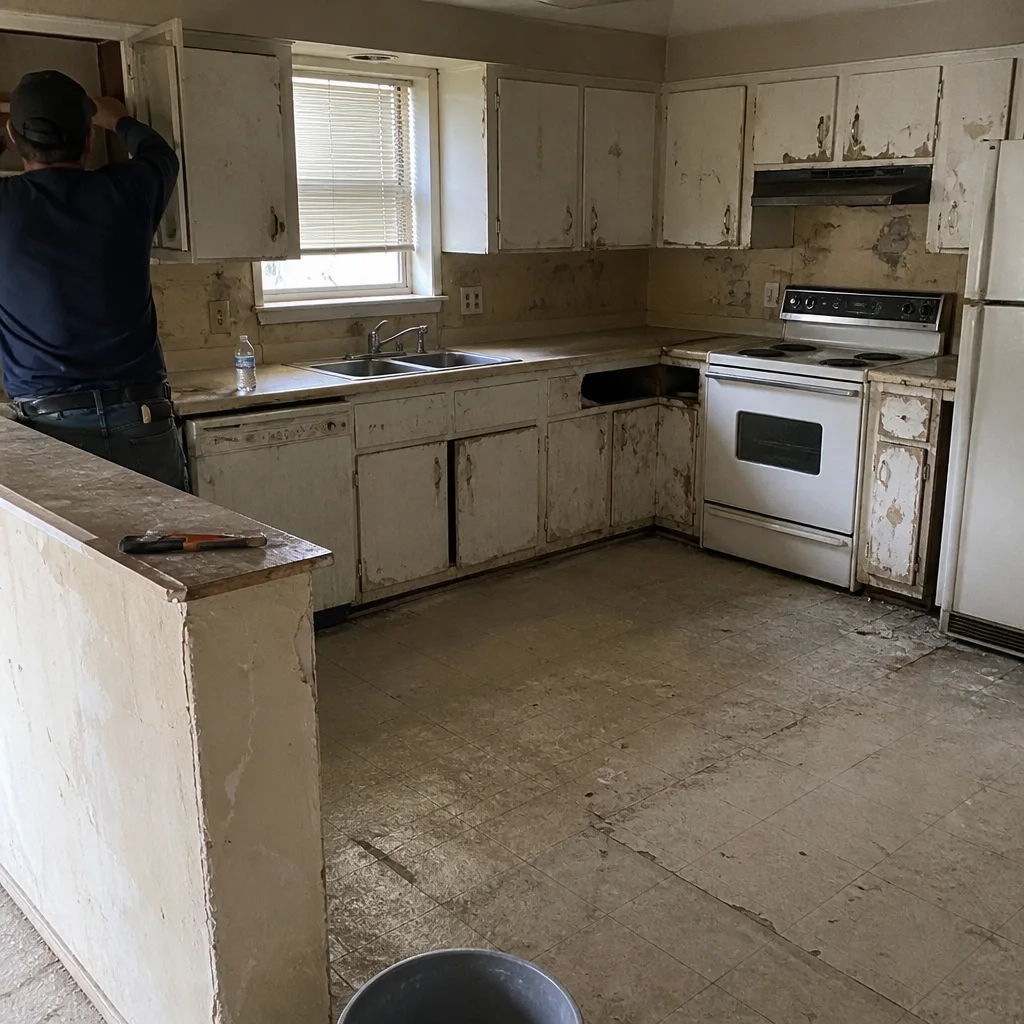
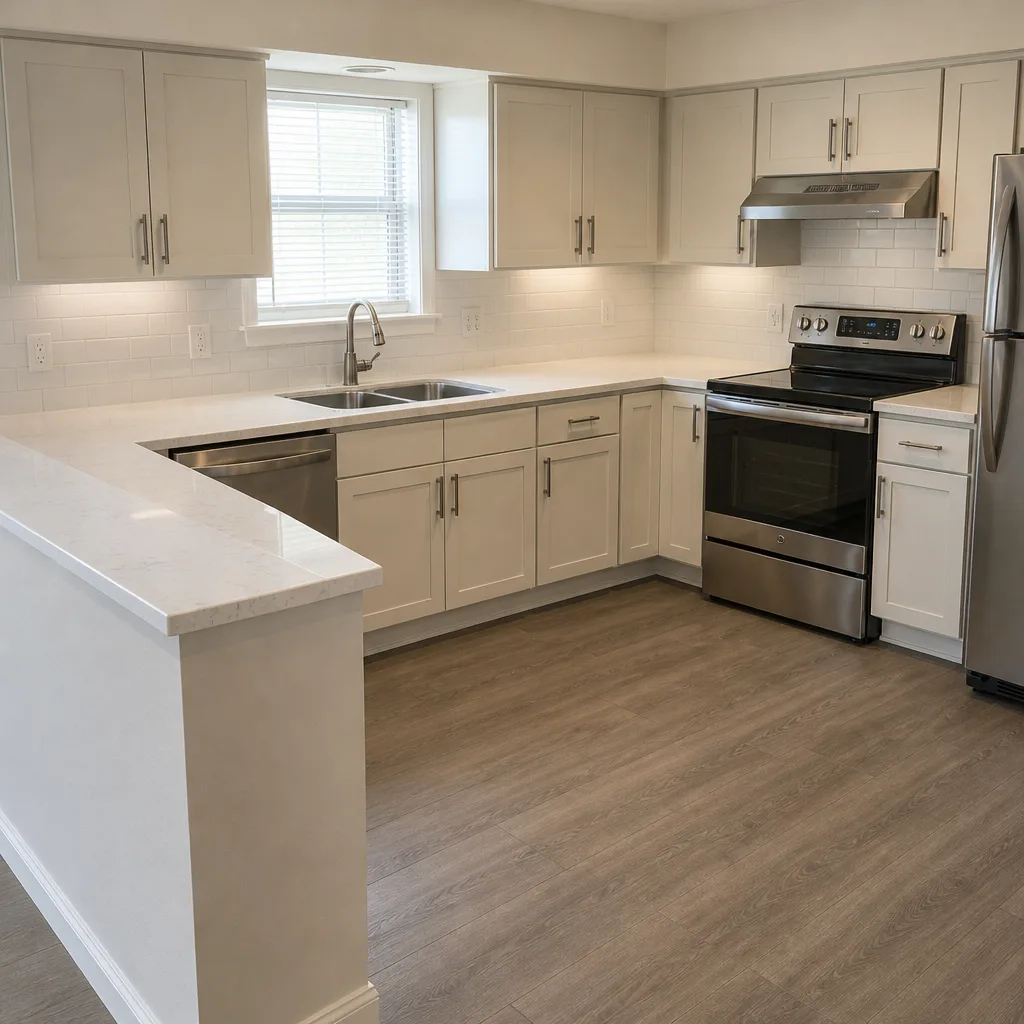
See the difference
 Before
 After
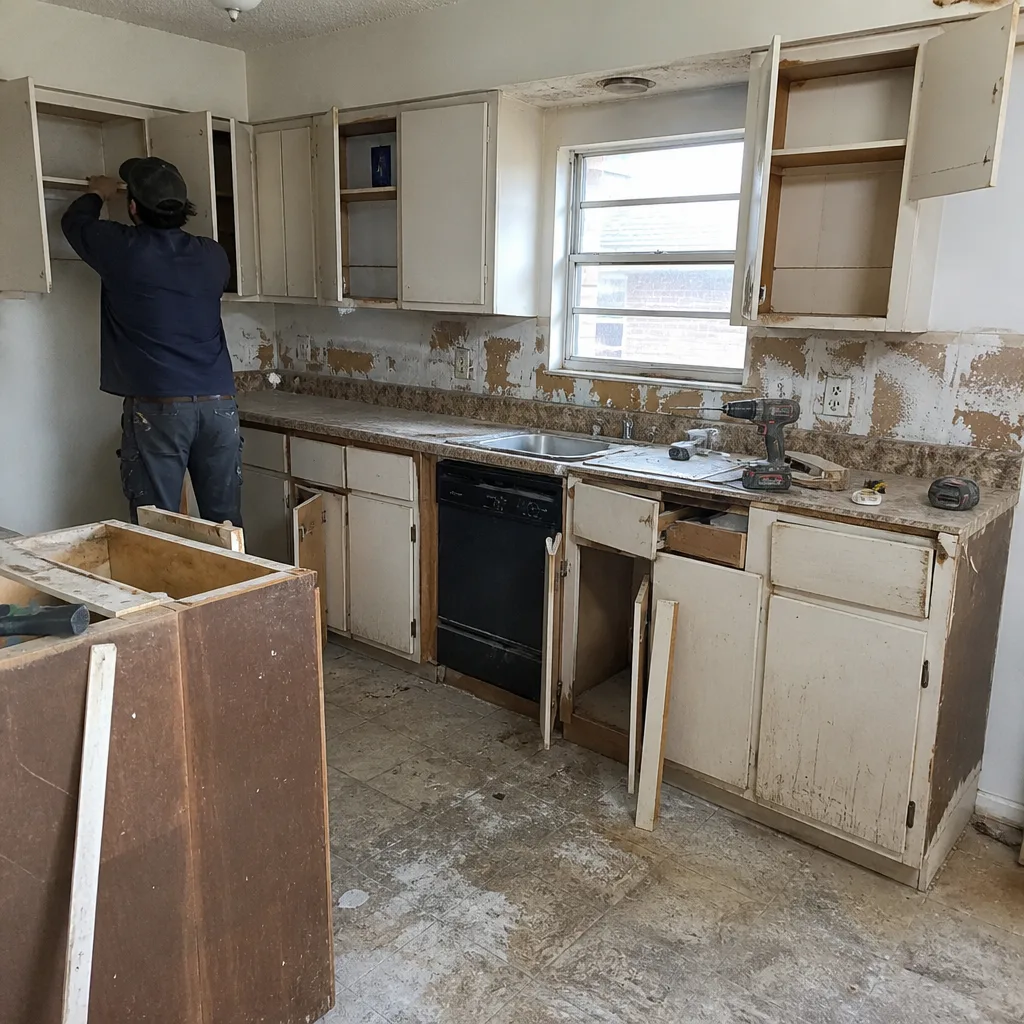 Before
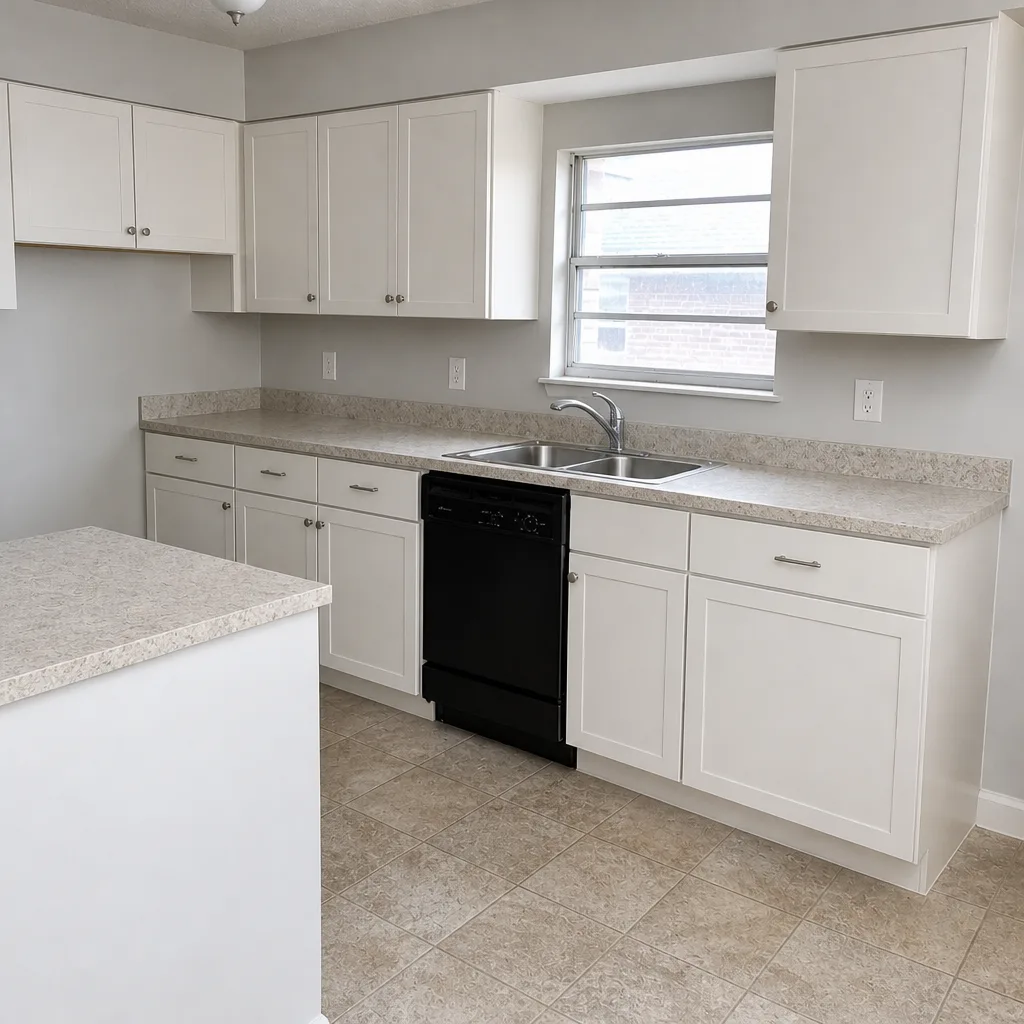 After
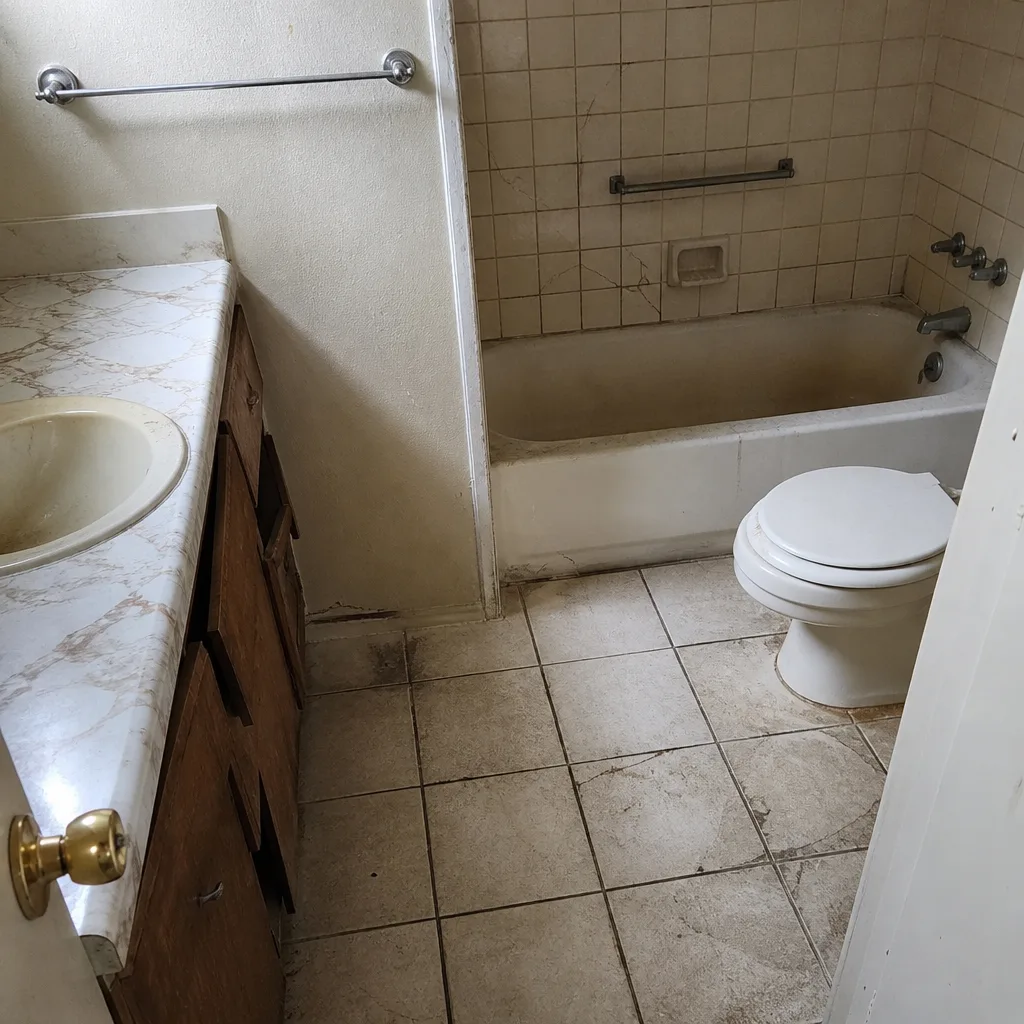 Before
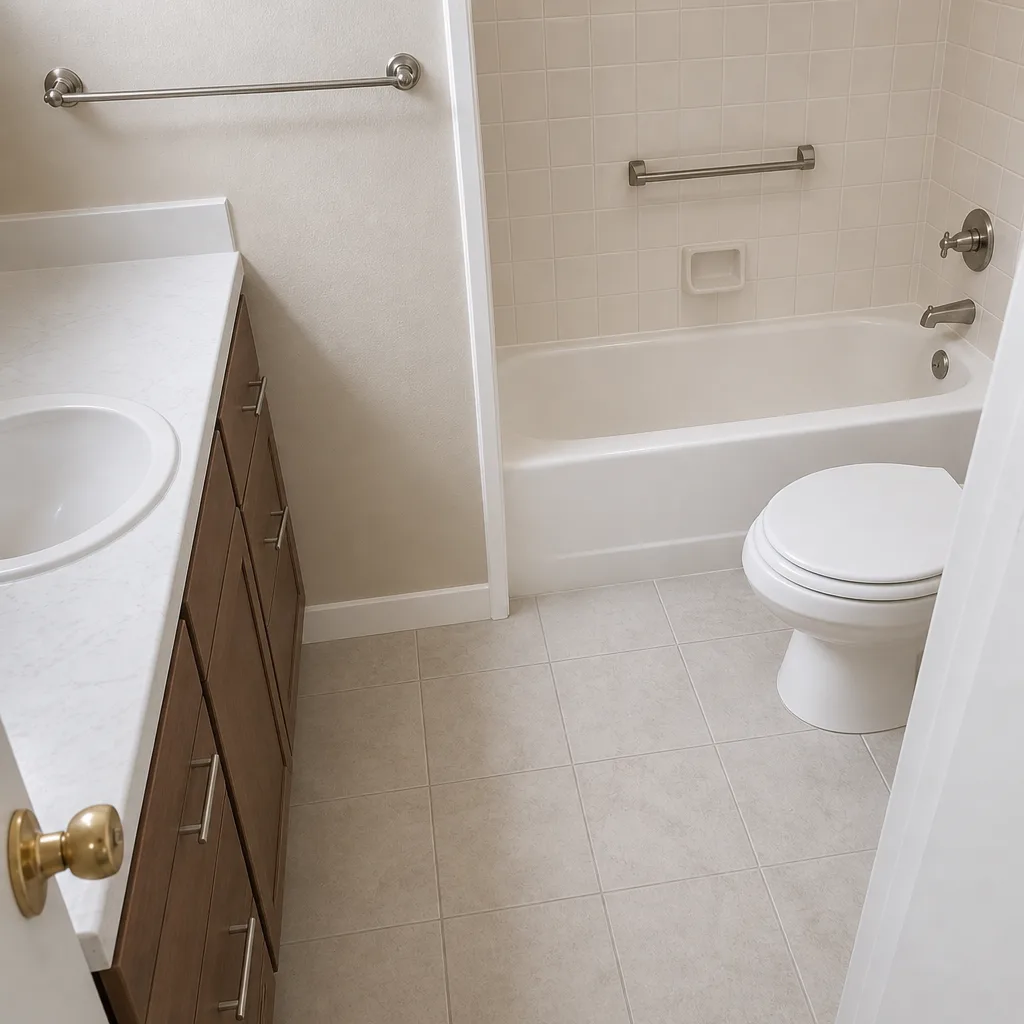 After
When to Call a Professional

Call a professional immediately if any of these are true on your project: work started before the permit was posted; a subcontractor arrived without introduction; the deposit request exceeded 15% on a job over $10,000; a change order was verbal; a material substitution was made without a signed change order; or your contract is missing lien release language. These are structural warning signs, and resolving them mid-project is much cheaper than resolving them after close. Bradford Remodeling Co McKinney offers free estimates in McKinney. Call (844) 834-0609 to schedule yours. Every estimate includes a written line-item price before any work starts, and every completed project carries the 365-Day Done Right Promise: if the work fails within the guarantee period, we come back and correct it at no charge.
Frequently Asked Questions
No more than 10-15% of the total project cost on a job over $10,000. That deposit covers material ordering and scheduling, not the contractor’s operating expenses. Anything above 15% is outside normal practice, and anything above 25% is a stop. Call (844) 834-0609 for an exact quote on a McKinney project; estimates are free and every price is written before work starts.
No, Texas does not license general remodeling contractors at the state level. Electricians, plumbers, and HVAC technicians are licensed by Texas (through TDLR and the Texas State Board of Plumbing Examiners), and both lookups are publicly searchable. For the general contractor, your verification steps are insurance certificates, permit records through the City of McKinney, and lien release documentation. Call us for a free estimate and we’ll walk you through what a verified contractor package looks like.
A normal schedule ties payments to inspection milestones, not calendar dates: 10-15% deposit at signing, 20-25% at rough-in inspection pass, 30-35% at drywall and finish transitions, and 10-15% retainage held to final sign-off. The final payment should not release until you have a signed written guarantee in hand. Call (844) 834-0609 to review what a written schedule looks like on a McKinney kitchen.
A lien waiver is a document signed by a contractor, subcontractor, or supplier confirming they’ve been paid and waiving their right to file a mechanics lien against your property. You need a conditional waiver with each payment and an unconditional final waiver at close. Without them, a supplier the contractor didn’t pay can file a lien on your McKinney home, even if you paid in full. Call us for a free estimate and we’ll show you how a lien release sequence works on a real project.
The 365-Day Done Right Promise is a written guarantee covering every completed project for a full year from close. If the work fails within that window (a failed substrate, a fixture leak, a finish defect), we come back and correct it at no charge. The guarantee document is signed and handed over at project close, along with the punch-list sign-off. Call (844) 834-0609 for a free estimate.
Ask for the permit number before work starts, then look it up through the City of McKinney’s Development Services portal. Every permitted project (structural, electrical, plumbing, most kitchen and bath rehabs) has a public record. If the contractor can’t produce a permit number for permitted work, that’s a stop sign. Call us for a free estimate and we’ll walk through what permit milestones look like on your specific scope.
The Bottom Line
The warning signs that matter in McKinney remodeling are almost all procedural, not dramatic. A contract without itemized scope. An allowance without a cap. A deposit over 15%. A missing lien waiver. A subcontractor who shows up unannounced. A job that starts before the permit is posted. Any one of these is a soft warning; two or more is a stop. Your best protection isn’t personality, it isn’t price, and it isn’t the sales pitch. It’s a written price before work starts, a documented brand list you can verify, a milestone-based payment schedule, and a signed guarantee in your hand at close. That’s what squared away looks like. Call Bradford Remodeling Co McKinney at (844) 834-0609 for a free estimate; every price is written, every guarantee is documented, and a live person answers the phone 24/7.
Written by the team at Bradford Remodeling Co McKinney.