Last updated November 18, 2026







Free written scope consultation - allowances, timeline, and change-order rules on paper before a single trade is scheduled
Home Remodeling Maintenance Schedule: What to Do and When
A freshly grouted tile floor needs re-inspection at 90 days. Not because the installer did anything wrong, but because new grout shrinks as it cures and hairline gaps are normal in the first three months. Miss that window and a $4,000 tile job quietly turns into a $9,000 waterproofing problem when water finds the substrate. Most remodeling maintenance schedules are written for brand-new homes and ignore this entirely. This guide covers the break-in period your newly finished work actually goes through, with trade-specific inspection points at 30, 90, 180, and 365 days, plus the North Texas seasonal factors that matter in McKinney.
Quick Answer
Newly remodeled work needs its own inspection schedule: check caulk and grout at 30 days, re-inspect tile and cabinet hardware at 90 days, look at trim and paint at 180 days, and do a full walkthrough at 365 days before your workmanship guarantee expires. Routine whole-home maintenance then runs seasonally, with spring and fall checks for roof, exterior, and foundation movement. In McKinney’s clay soil and humidity swings, the 90-day and 365-day checks catch the most expensive problems.
Styles & brands we work with
- Kitchen remodeling
- Bathroom remodeling
- Home additions & ADU
- Roofing
- Windows & doors
- Driveway & pavers
- Fence
Table of Contents
- Why New Remodels Need Their Own Schedule
- The 30-Day Post-Remodel Inspection
- The 90-Day Inspection: Grout, Caulk, and Substrate
- The 180-Day Check: Paint, Trim, and Doors
- The 365-Day Walkthrough Before Your Guarantee Expires
- Which Maintenance Tasks Void a Workmanship Guarantee
- North Texas Seasonal Factors: Clay Soil and Humidity
- The Five Most-Neglected Remodeled Components
Why New Remodels Need Their Own Schedule
Materials move after installation. That’s not a defect; it’s physics. Grout cures and shrinks by a few thousandths of an inch across a joint, which is enough to open a hairline gap. Latex caulk skins over and continues to cure for weeks, pulling slightly away from a corner. Paint off-gasses solvents for 30 to 90 days, and in that window it’s softer and more prone to scuffing than the film you’ll have at six months. Wood trim and cabinet doors absorb and release moisture with the season, which is why a door that closed flush in October can rub its frame in April.
None of this means the contractor cut corners. It means freshly finished work has a break-in period, and the homeowner who inspects on a schedule catches small movements before they become leaks or failures. The homeowner who doesn’t inspect at all finds out when water is coming through a ceiling.
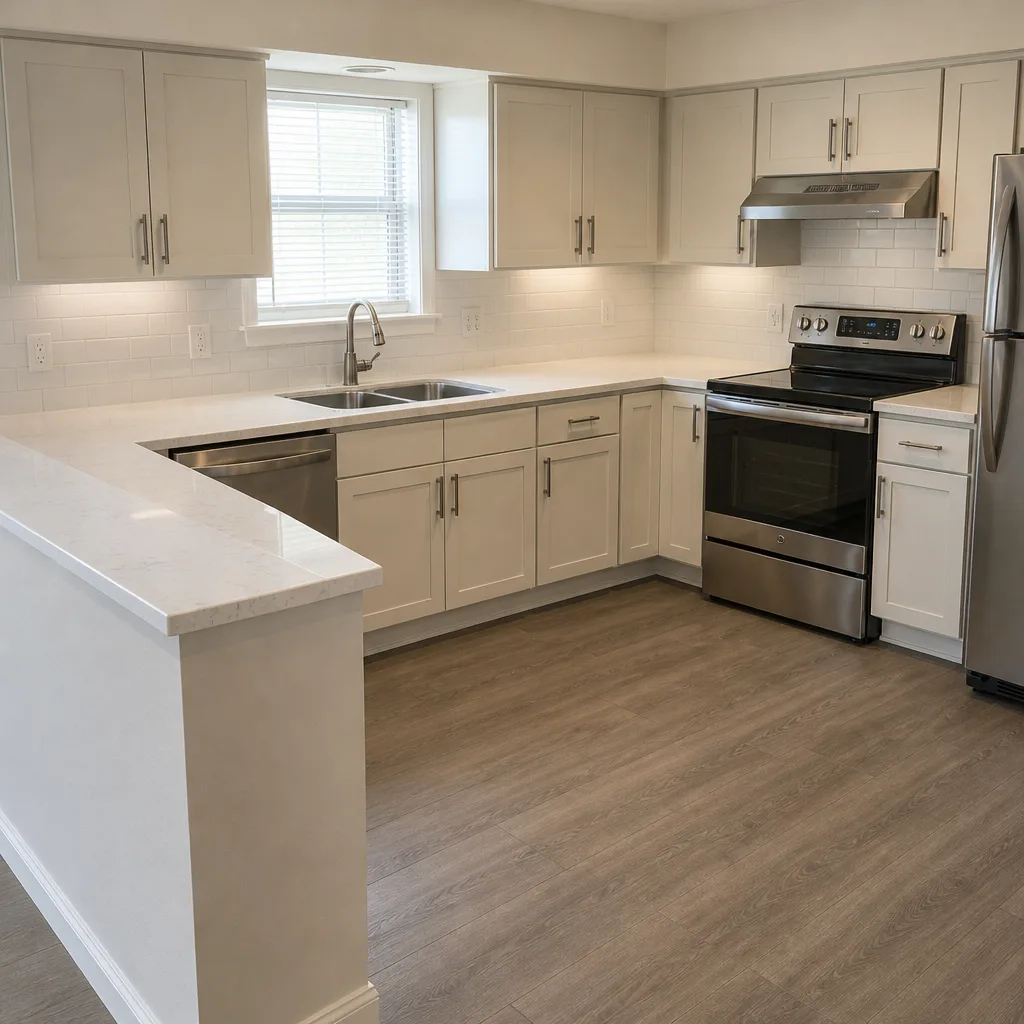
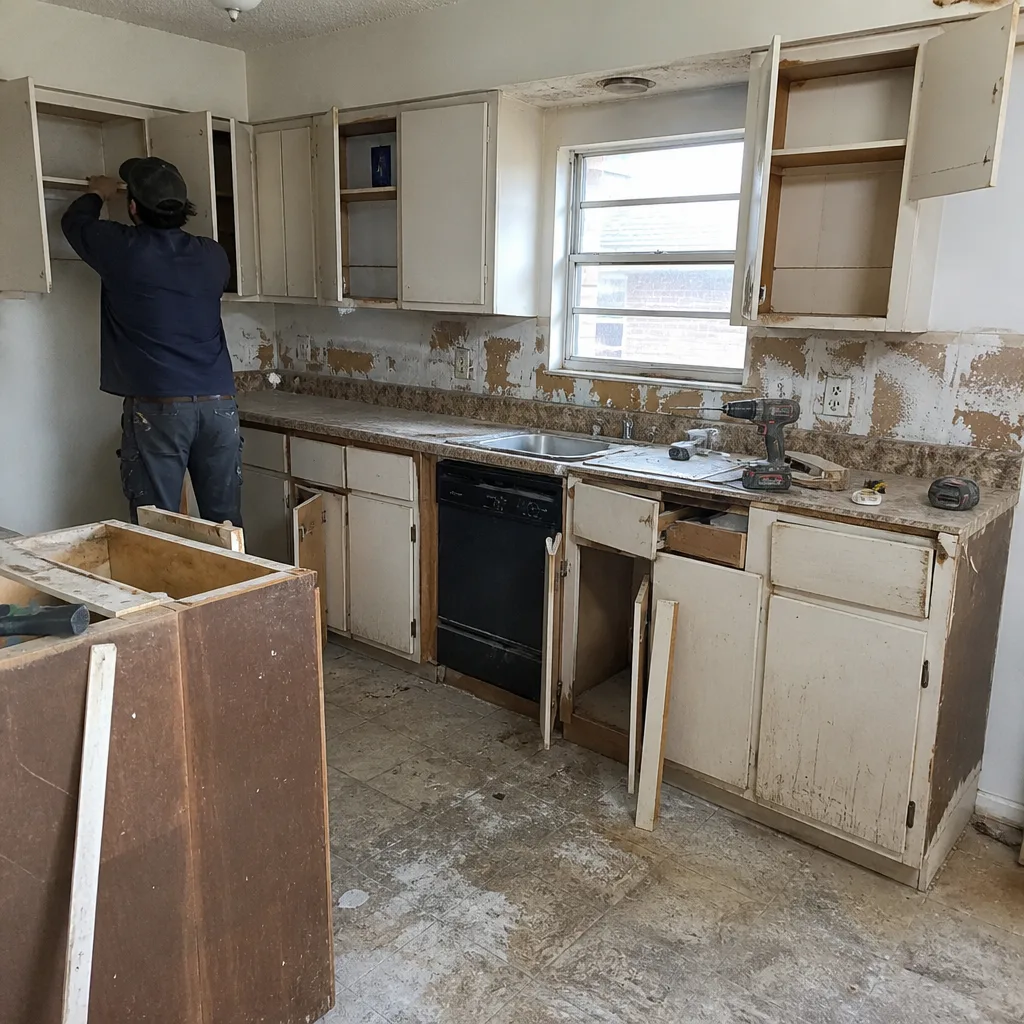
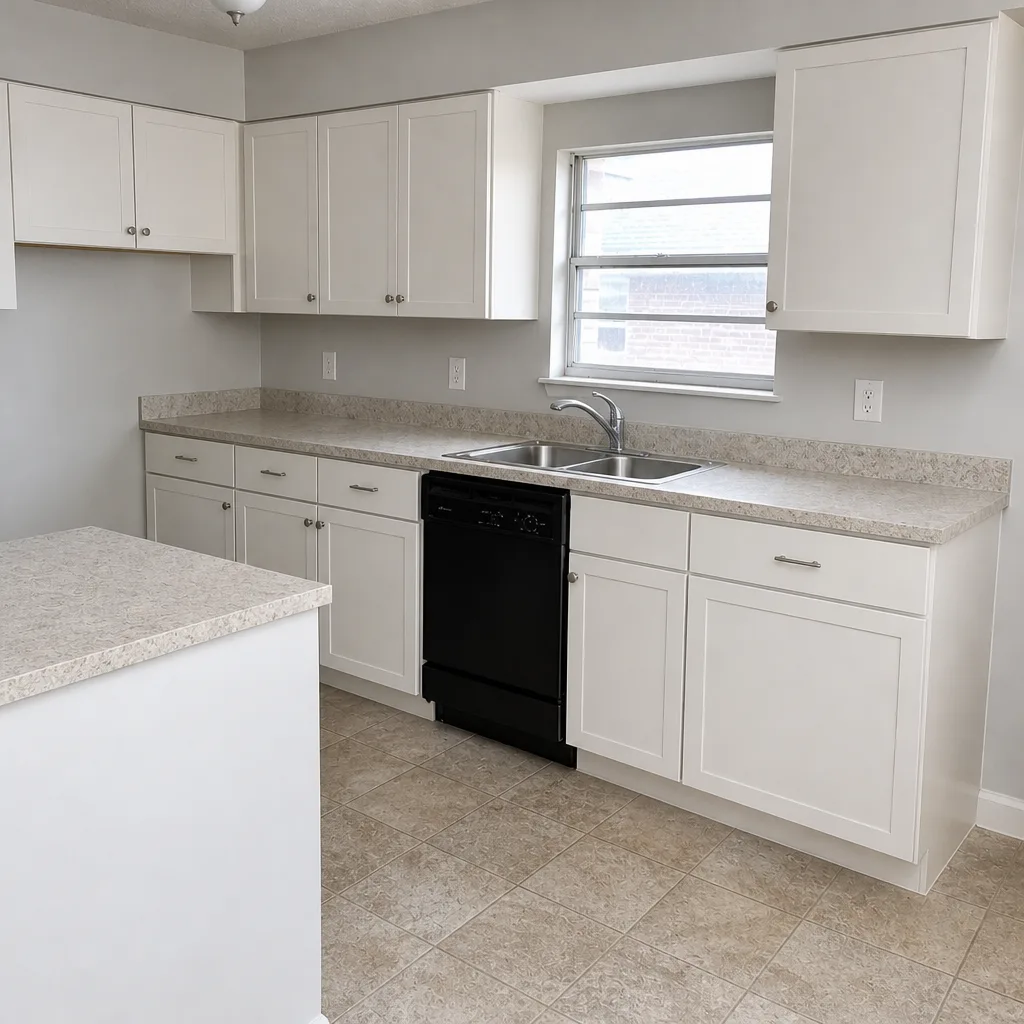
We’ve seen this play out across McKinney. A kitchen finished in the fall goes through a dry winter and a humid spring, and by month six the cabinet doors near the range hood have swelled a sixteenth of an inch. That’s normal, and it’s adjustable under warranty. Ignored for two years, it becomes a re-hang or a door replacement. For a full rundown on what a kitchen project involves from the start, our kitchen remodeling in McKinney page walks through scope and materials.
The 30-Day Post-Remodel Inspection
Thirty days in, most of the curing and settling has happened. This inspection takes about an hour with a notepad and a flashlight, and it’s the one most homeowners skip because the work still looks perfect. Here’s what to check, room by room:
- Caulk joints in wet areas. Look at every caulk line in bathrooms and kitchens: tub-to-tile, sink-to-counter, backsplash-to-counter. Run a fingernail along the joint. Any gap, crack, or place where the caulk pulls away gets noted and re-caulked.
- Grout lines on floors and walls. Shine a flashlight at a low angle across the floor. Hairline cracks are expected this early. Vertical cracks running through multiple tiles are not, and those get flagged to the contractor.
- Cabinet doors and drawers. Open and close every one. Look for doors that rub, drawers that stick, and hinges that have loosened. Cabinet hardware loosens in the first month as screws seat into the wood.
- Paint and trim. Check corners and seams for cracks. New drywall and new trim both move slightly, and a hairline crack at a corner bead is normal at 30 days. A crack wider than a credit card is not.
- Doors and windows. Open and close every exterior door and window. Check the latch alignment. If you had new windows installed, confirm they still operate smoothly.
- Water shutoffs and supply lines. Look under every sink for moisture. Run a paper towel along the base of each supply line. Any dampness gets reported immediately, not at the next inspection.
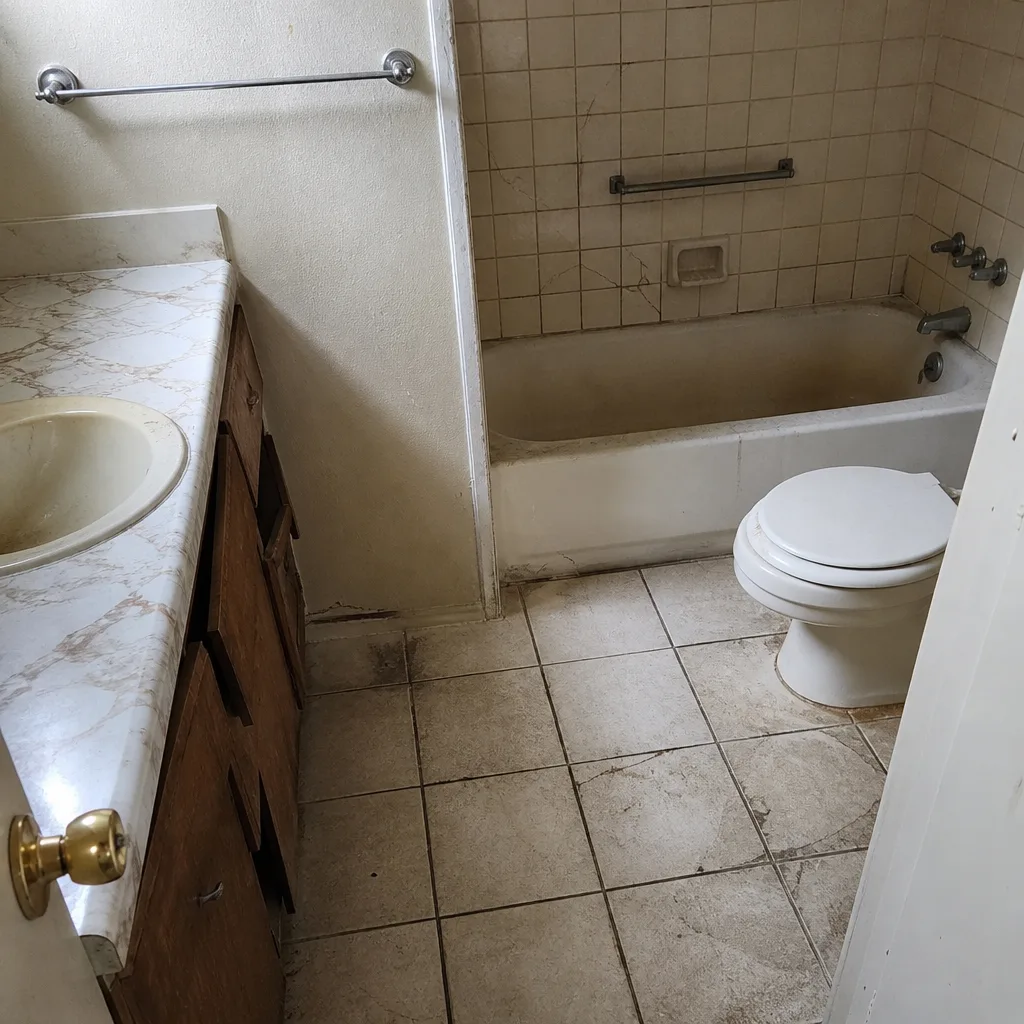
Write down what you find with dates and photos. A documented punch list is how you get warranty work handled without argument. For bathroom-specific items, our bathroom remodeling in McKinney page covers the materials and substrates behind what you’re inspecting.
The 90-Day Inspection: Grout, Caulk, and Substrate
The 90-day mark is where the real value sits. Grout has finished its primary cure, caulk has finished shrinking, and any small failure from installation or material movement will show itself by now. This is also the window where waterproofing problems first become visible, and it’s the difference between a $150 re-caulk and a $5,000 tear-out.
- Re-inspect every grout line, especially in showers and on floors. Re-seal grout at 90 days if you have natural stone or cementitious grout in a wet area. Sealer applied at install has often worn thin by now.
- Check shower corners and the curb. The curb-to-floor joint and the two vertical corner joints in a tiled shower are the most common leak points. Look for missing caulk, discoloration, or any soft spot in the adjacent drywall.
- Look at the ceiling below any upstairs bath. A faint water stain on the ceiling below a new shower is the single most important thing to catch at 90 days. Note it, photograph it, and call.
- Re-check cabinet hardware and drawer glides. Snug any loose screws. If a drawer glide has begun to rub or bind, note it now.
- Inspect baseboards and shoe mold. Gaps at the wall or floor are common as the wood acclimates. Those get filled at the 180-day or 365-day visit.
- Check the substrate where you can see it. Around a new tub, at the edge of a tile floor, behind a toilet. Any swelling, softness, or discoloration is a flag.
We tell McKinney homeowners to treat the 90-day inspection as the most important one on the calendar. It’s the point where the work has settled enough to be honest about how it’s holding up.
The 180-Day Check: Paint, Trim, and Doors
By six months, paint has fully cured, wood trim has acclimated to one seasonal shift, and any structural settling has happened. The 180-day check is about cosmetics that have moved and weather-tightness items that have been through their first season.
- Walk the exterior. Check caulk lines around windows, doors, and any new exterior trim. North Texas sun is hard on exterior caulk, and a line that was tight at install can open within six months. Re-caulk as needed. If you installed new windows, check them for smooth operation and confirm no water is pooling at the sill.
- Look at interior paint at corners and seams. Ceiling-to-wall lines, corner beads, and the seams between new drywall and old. Any cracks get patched and repainted.
- Open and close every door and window. Check latches, hinges, and weatherstripping. A door that rubs in spring may not rub in fall, but it should be adjusted, not ignored.
- Adjust cabinet doors and drawers. Six months is the point to make final hinge adjustments. European-style hinges have adjustment screws that correct alignment, and cabinet doors in a kitchen that sees daily use usually need a small tweak.
- Inspect exterior paint and siding. Look for any bubbling, peeling, or chalking. If you installed James Hardie siding or new exterior trim, confirm the caulk lines and paint are intact.
If your remodel is part of a larger project, our general contractor in McKinney page covers how exterior and interior scope work together. Homes in Stonebridge Ranch and Adriatica see the same humidity swings, and both need the 180-day exterior check.
The 365-Day Walkthrough Before Your Guarantee Expires
The one-year walkthrough is the most important inspection on the calendar, because it’s the last chance to catch warranty-covered issues before the 365-Day Done Right Promise period closes. A written guarantee only protects you if you use it, and the homeowner who schedules a full walkthrough at month twelve is the homeowner who actually gets problems corrected.
Here’s the checklist to run:
- Re-run the 30, 90, and 180-day checks as a single walkthrough. Caulk, grout, paint, trim, doors, cabinet hardware, exterior caulk lines.
- Check water and moisture in every wet area. Sink bases, tub surrounds, shower corners, the toilet base, the ceiling below upstairs baths.
- Look at the foundation and floors. Any new crack, bounce, or slope. In North Texas clay, foundation movement is the norm, and a floor that has gone out of level in a year gets noted and evaluated.
- Inspect roof and flashing if exterior work was done. Any new roof penetrations, flashing, or gutter work should be checked before the warranty period ends.
- Take dated photos of anything you find. Document the issue in writing and request the correction in writing.
What the 365-Day Done Right Promise actually covers: any completed work that fails to perform within one year of completion. If it fails, we return and correct it at no charge. It does not cover damage from neglect, lack of routine maintenance, or misuse; that’s why the inspection schedule matters. It’s also why we put the scope of the guarantee in writing before the project starts, not after.
If you’re planning a project and want to see how we run a job start to finish, our Bradford Remodeling Co McKinney home page is a good place to start.
Which Maintenance Tasks Void a Workmanship Guarantee
A workmanship guarantee covers the labor and installation, not the neglect of the materials afterward. A few tasks, if skipped, can turn a covered correction into an uncovered charge. Here’s how it usually happens:
- Failing to re-seal grout in wet areas. Grout sealer wears out on a schedule, especially in a shower. If you skip re-sealing for years and water gets behind the tile, that becomes a moisture issue rather than a workmanship failure, and most guarantees won’t cover it.
- Failing to re-caulk joints. Caulk in a tub or shower has a service life measured in months, not years. If a joint opens and you leave it, water damage follows. That’s on the homeowner, and a guarantee that covers the install won’t cover the resulting damage.
- Ignoring water intrusion signs. A stain on a ceiling below a new bath, reported promptly, is a covered correction. The same stain ignored for a year is a structural repair.
- Making unapproved modifications. Adding a heavy mirror, a new shower head with a longer arm, or a fan upgrade without checking with the contractor can affect the warranty on the affected component.
- Not reporting within the guarantee window. The guarantee on completed work runs one year. If you find an issue at month 11 and call at month 14, you’re outside the window. Report early.
Every completed project carries the written guarantee, and the scope is spelled out before work begins. We’d rather you call us at month two with a question than call at month fourteen with a problem.
North Texas Seasonal Factors: Clay Soil and Humidity
McKinney sits on expansive clay soil, and that fact drives more maintenance issues than anything else on this list. Clay absorbs water and swells, then dries and shrinks. The soil under a slab moves with the seasons, and that movement gets transmitted into the house. A hairline crack at a corner bead in August may be a foundation movement signal; the same crack in February after a wet winter is often just normal drying shrinkage. Knowing which season matters for what check keeps you from either panicking or ignoring something real.
- Foundation and slab movement shows up in floors, doors, and drywall corners. Check interior doors that rub at the top or bottom of the frame. A door that sticks in late summer and frees up after fall rain is a foundation-movement symptom worth noting.
- Humidity swings affect wood trim and cabinet doors. McKinney summers run humid, and a kitchen with a range hood near a humid exterior wall will see cabinet doors swell by a sixteenth of an inch in July and shrink back in January. Hinge adjustments in spring and fall keep doors aligned.
- Clay soil drainage matters around the perimeter. Make sure soil slopes away from the foundation at roughly six inches over the first ten feet. Mulch beds that hold water against the slab cause as much foundation trouble as dry soil.
- Exterior caulk and paint fail faster here than in milder climates. Sun and temperature swings are hard on caulk at window perimeters. Re-caulk exterior joints every 18 to 24 months rather than waiting for a visible gap.
- Check attic and roof ventilation in spring. North Texas attic heat drives moisture problems in the ceiling below, and a well-vented roof keeps interior wood and drywall drier.
If you installed new windows as part of a remodel, the brands we work with (CWS and ES Windows among them) are specified to handle the local temperature ranges, but the installation and the caulk line are what actually keep water out. Check the caulk annually. Our bathroom remodeling in McKinney page covers moisture-control details for the wettest room in the house.
The Five Most-Neglected Remodeled Components
After a project closes out, most McKinney homeowners walk away from a beautiful job and don’t think about it again until something goes wrong. These five items get ignored most often, and they’re the ones that cost the most to fix later.
- Shower and tub caulk joints. Neglected in nearly every home. Re-caulk every joint that touches a wet surface once a year at minimum, and check it at 30, 90, and 180 days during the guarantee period.
- Grout sealer in wet areas. Sealer wears off. Re-seal tile floors and showers every 12 to 18 months. On natural stone, more often.
- Cabinet door hinges and drawer glides. Loose screws and misaligned doors get ignored until a door is dragging. A spring and fall adjustment prevents it, and the manufacturer’s hardware warranty on KraftMaid or Wellborn cabinetry stays valid when the hardware is maintained.
- Exterior caulk at windows and doors. Overlooked because it’s outside and out of sight. A caulk line that opens at the sill of a Therma-Tru door lets water into the wall cavity. Check exterior caulk annually and re-caulk as needed.
- Roof flashing at new penetrations. If a remodel added a vent, a skylight, or a new roof section, the flashing needs to be checked at the 180-day and 365-day marks. Most roof leaks start at a penetration, not in the field.
If your remodel included cabinetry, surfaces, or fixtures, the premium brands behind the work carry their own manufacturer warranties alongside our workmanship guarantee. Holding onto the spec sheets and the written guarantee is how a homeowner keeps both intact.
Common Mistakes to Avoid
- Treating the work as finished on day one. A project is finished when the 365-day walkthrough is done and the checklist is clear, not when the crew packs up. Skipping the break-in inspections is the most common mistake we see in McKinney.
- Re-caulking over a wet joint. Applying fresh caulk over a damp or moldy joint traps moisture behind the seal. Clean, dry, and remove the old caulk first. This is a common DIY error.
- Ignoring a ceiling stain below an upstairs bath. The stain is the symptom. The cause is in the shower substrate or the drain connection. Get it inspected, don’t paint over it.
- Skipping the 365-day walkthrough. The guarantee runs one year. If you don’t inspect inside that window, you’ve paid for a guarantee you didn’t use.
- Assuming a small foundation crack is cosmetic. In McKinney’s clay soil, foundation movement is common and often harmless, but a crack that widens over one season needs a professional look. Ignoring it moving from cosmetic to structural.
- Making unapproved modifications to finished work. Adding anything heavy to tile, changing a shower fixture, or altering a cabinet run without consulting the contractor can affect the warranty. Call first.
See the difference
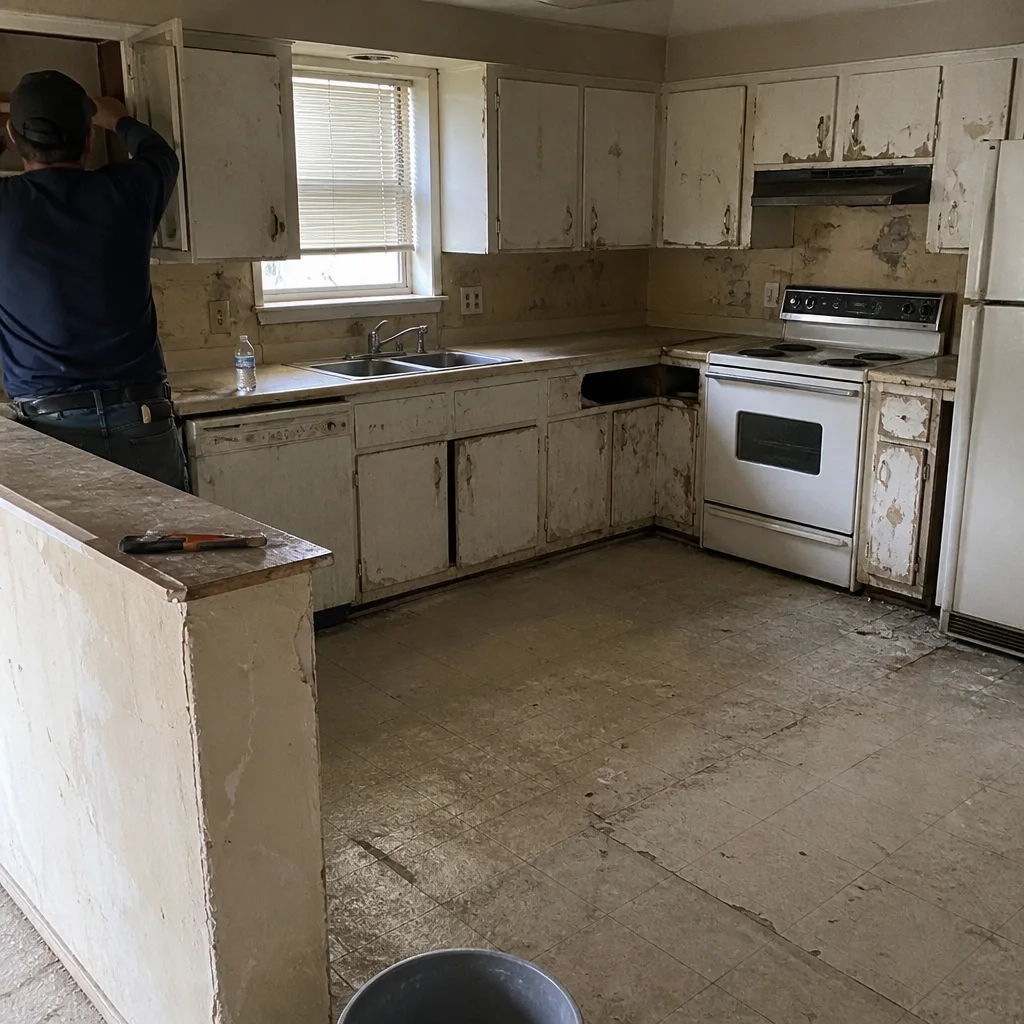 Before
 After
 Before
 After
 Before
 After
When to Call a Professional
Some maintenance is homeowner-level: checking caulk, snugging a hinge screw, inspecting for water stains. Some isn’t. Call a professional when you see water where it shouldn’t be, when a ceiling below a bath shows any discoloration, when a floor crack widens or a door that used to close freely won’t close at all, when grout cracks run vertically through multiple tiles, or when exterior caulk failure has allowed water into a wall. These are the situations where a small repair now prevents a major one later, and where the work may be covered by the workmanship guarantee. Bradford Remodeling Co McKinney offers free estimates in McKinney for both corrections and planned maintenance projects, and every price is in writing before any work starts. Call (844) 834-0609 to schedule yours. A live person answers 24 hours a day.
Frequently Asked Questions

At 30 days. That’s when caulk shrinkage, cabinet hardware loosening, and the first grout hairlines show up. Everything in the first month is normal break-in movement, and documenting it early makes warranty work cleaner. Call (844) 834-0609 for a free estimate if the inspection turns up something that needs a professional correction.
Because grout shrinks as it cures. Hairline cracks that follow a single joint are normal and get re-sealed. Vertical cracks running through multiple tiles, or anywhere water can get behind the tile, are a different matter and should be inspected. Call us if you’re not sure which is which.
Yes. Clay soil swells and shrinks with the seasons, and that movement gets transmitted into the house. Doors that rub seasonally, hairline cracks at corner beads, and small floor movement are all normal signs. Watch for cracks that widen over a single season; those need a professional evaluation. Call (844) 834-0609 if a crack is growing.
The 365-Day Done Right Promise covers completed work that fails to perform within one year. It does not cover damage caused by neglected maintenance, like unsealed grout or un-caulked joints allowing water intrusion. Keep up with the 30, 90, 180, and 365-day checks and the guarantee protects you on the install itself. Call (844) 834-0609 and we’ll walk through exactly what’s covered.
Every 18 to 24 months, or sooner if you see a gap. Sun and temperature swings are harder on exterior caulk here than in milder climates. Check the caulk at every window, door, and exterior trim during the 180-day and 365-day inspections. Call (844) 834-0609 if a caulk failure has allowed water into the wall.
Only for the specific failure caused by the skipped maintenance. A correctly installed shower that fails because the homeowner never re-sealed the grout isn’t a workmanship failure. A correctly installed shower that leaks from a caulk line you maintain on schedule is a workmanship failure and gets corrected at no charge. Call (844) 834-0609 for a free estimate on any correction you’re not sure about.
The Bottom Line
Newly finished work needs its own maintenance schedule, separate from the routine whole-home checklist. Inspect at 30, 90, 180, and 365 days, with the 90-day check as the most important one for tile and grout. In McKinney, clay soil movement, humidity swings, and sun on exterior caulk drive most of the issues worth catching early. Keep up with the schedule, document what you find, and use the 365-day guarantee window. A small correction at 90 days is cheap. A waterproofing failure at year two is not. Bradford Remodeling Co McKinney puts every price and every guarantee in writing before work begins, backed by the 365-Day Done Right Promise.
Written by the team at Bradford Remodeling Co McKinney.