Last updated November 18, 2026







Free written scope consultation - allowances, timeline, and change-order rules on paper before a single trade is scheduled
The Complete Home Remodeling Guide for McKinney Homeowners
Most homeowners who get burned on a whole-home remodel had a clear design vision and no construction sequence plan. The expensive surprises rarely come from bad taste. They come from electrical rough-in happening after cabinets are set, or structural work getting permitted separately from mechanical work and stacking inspection delays that add weeks. This guide treats sequencing as the foundation of the job, not an afterthought. You’ll learn the correct trade order for a McKinney remodel, how the city’s permit structure actually gates each phase, how to run the numbers on staying versus vacating, and how to structure a contract so the price you sign is the price you pay.
Quick Answer
A whole-home remodel in McKinney follows a fixed sequence: demolition and structural work first, then mechanical, electrical, and plumbing rough-ins, then inspections, then insulation, then drywall, then finish work. Get the order wrong and inspections stack, timelines stretch past a year, and costs climb. The single biggest predictor of a project that finishes on schedule is a written scope and trade schedule agreed before demo begins, not the quality of the design drawings.
Styles & brands we work with
- Kitchen remodeling
- Bathroom remodeling
- Home additions & ADU
- Roofing
- Windows & doors
- Driveway & pavers
- Fence
Table of Contents
- The Trade Sequence That Actually Works
- How McKinney Permits Gate a Multi-Trade Remodel
- Phased While Occupied vs. Full Vacate: The Real Math
- How to Structure a Contract for a Large-Scope Project
- North Texas Structural and Systems Considerations
- What a Whole-Home Remodel Costs in McKinney
- The Inspection Gates and What Each One Checks
- What a Squared-Away Job Close Looks Like
The Trade Sequence That Actually Works
Every remodel is a chain of gates. Each gate exists because the next trade can’t do clean work until the previous one is inspected and signed off. Here is the sequence we follow on McKinney projects, and why each step can’t be skipped or shuffled.
- Demolition and structural work. Walls come down, beams and headers go in, and any load-bearing change gets framed. Structural work must be complete before rough-ins because a beam relocation can move where a plumbing stack or a duct run can legally sit.
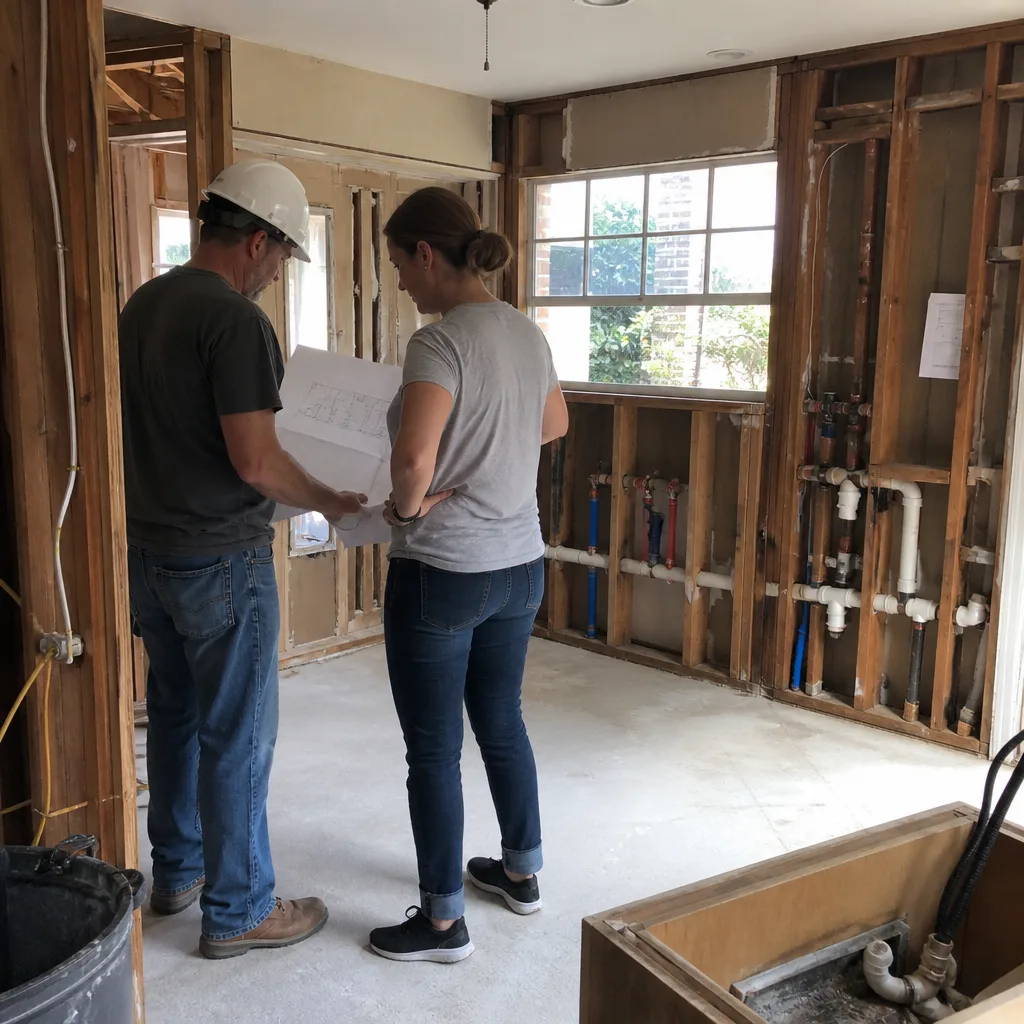
- Mechanical, electrical, and plumbing rough-in (MEP). HVAC ductwork and line sets, electrical wire and boxes, and plumbing supply and drain lines all go in before walls close. These three happen largely in parallel, and co-ordinating them in one pass is what keeps a project from stalling.
- Rough-in inspections. The city inspects MEP before insulation. Fail here and everything downstream waits.
- Insulation. Only after rough-in sign-off, because insulating over unapproved wiring or a misrouted duct means tearing it back out.
- Drywall and primer. Hang, tape, float, texture, prime. This is where a project visibly turns the corner.
- Finish work. Cabinets, counters, tile, fixtures, trim, paint, and flooring in a set order. Cabinets before counters, counters before backsplash, flooring last in traffic areas.
The reason this matters in McKinney is that our inspection calendar is shared across a fast-growing number of active projects. A failed rough-in doesn’t just cost you the reinspection fee; it costs you your slot in line. When the sequence is planned, rough-ins pass the first time. When it’s improvised, you lose weeks.
How McKinney Permits Gate a Multi-Trade Remodel
McKinney runs a permitting structure where a single residential remodel permit can cover multiple trades when the work is part of one scope, but certain work pulls its own permit regardless. Knowing which is which tells you whether your contractor is running a coordinated job or four separate ones.
As a rule, structural alterations, additions that change the footprint, and any work affecting the building envelope are permitted as a package. Electrical, plumbing, and mechanical work done as part of a permitted remodel is typically covered under the same permit with the trades listed. But a few triggers pull a standalone permit: a panel upgrade or service change, a new gas line, a re-roof when it isn’t part of the remodel scope, and any work on a separate structure.
What a homeowner should ask to verify, before signing:
- Which permits will be pulled, and under whose license, for each trade.
- Whether the electrical scope includes a service upgrade, since that’s often permitted separately and adds both time and cost.
- Who is responsible for scheduling inspections and for the reinspection fee if one fails.
- What the plan is if the inspector flags something the drawings missed.
Ask for copies of the permit applications before demo. A contractor who can’t produce them isn’t running a coordinated job. Bradford Remodeling pulls permits and schedules inspections as part of the written scope, so nothing gets discovered mid-project.
Phased While Occupied vs. Full Vacate: The Real Math
The living-situation decision is a budget decision dressed up as a lifestyle one. Here’s an honest comparison.
Remaining occupied. You phase the work, typically gutting and rebuilding one zone at a time while living in the rest. The upside is no temporary housing cost. The downside is real: a phased whole-home remodel adds 15% to 30% to the timeline because trades can’t move through the house in one continuous pass, debris management is harder, and you’re living in a construction zone for months. Owners also report stress that no budget line captures.
Full vacate. You move out for the duration, and the crew runs the whole house as a single sequenced job. It finishes faster because there’s no stopping and starting, and the finish quality is often better because trades aren’t working around furniture and family. The cost is temporary housing for the duration.
Do the math on your own situation. If temp housing runs a few thousand a month and the phased approach adds several months plus a stress premium, vacating often nets out close to neutral and finishes faster. The right answer depends on your scope and household. We price both options in writing so you can compare them side by side rather than guess.
How to Structure a Contract for a Large-Scope Project
A large remodel contract should read like a schedule, not a sales document. Structure it around three things.
- Phase-based payment tied to completion milestones. Payments release when a defined phase is finished and inspected, not when materials arrive. Never hand over a large deposit; a disciplined contractor doesn’t need one.
- Written change orders. Any scope change gets priced in writing and signed before the work happens. No verbal “we’ll figure it out at the end.”
- Dispute resolution language under Texas law. The contract should state how disagreements are handled, whether mediation comes first, and what the guarantee covers and for how long.
Under Texas law, the written agreement governs. If a price isn’t on the page, it’s a future argument. This is where the General Contractor in McKinney role matters most: a general contractor’s job is to hold one schedule, one budget, and one point of accountability across every trade, so you’re not refereeing between an electrician and a plumber over who left the site a mess. The Garrison Standard puts the price and the guarantee in writing before a single tool comes out, which is exactly the discipline a whole-home scope demands.
North Texas Structural and Systems Considerations
McKinney sits on a mix of soil conditions that affect how a remodel is planned, and those conditions are not cosmetic.
Pier-and-beam versus slab-on-grade. Older McKinney homes on pier-and-beam make plumbing reconfigurations easier because drain lines can be rerouted in the crawlspace without cutting concrete. Slab-on-grade homes are the opposite: moving a drain or adding a bathroom can mean cutting and patching slab, which adds cost and time. Know which you have before you design the plumbing.
HVAC load calculations when square footage changes. If the remodel adds conditioned space or changes the envelope, the HVAC system needs a fresh load calculation, not a guess that the old unit “should be fine.” An undersized system in a McKinney summer shows up as rooms that never cool and a compressor that runs itself to failure.
Energy code triggered by scope. Certain scope levels trigger energy code requirements: window replacements, added insulation, or envelope changes pull the project into current code requirements for those assemblies. If you’re replacing windows anyway, understand what the code requires before the order ships.
In Natomas-style older neighborhoods, spring storms and shifting soil regularly show up as foundation and drainage issues that need addressing before a remodel adds weight or moves plumbing. That sequencing rule applies here too: deal with the structure before you finish the inside.
What a Whole-Home Remodel Costs in McKinney
Numbers on a page beat “call for a quote.” Here are realistic ranges by scope, before selections. These move with square footage, age of home, and how much plumbing and electrical you relocate.
- Cosmetic refresh (paint, flooring, fixtures, minor updates): $45,000 – $90,000 for a typical McKinney home.
- Mid-scope remodel (one or two bathrooms, kitchen surfaces, some layout changes): $90,000 – $160,000.
- Full whole-home remodel (kitchen, multiple baths, layout and systems): $160,000 – $300,000+.
- Kitchen alone (cabinets, counters, appliances, layout): $35,000 – $85,000 depending on cabinet line and whether walls move.
Where the money goes, roughly: cabinetry and counters, fixtures, flooring, labor, and the hidden line nobody budgets for, which is infrastructure. Moving a drain, upgrading a panel, or resizing HVAC can run into the tens of thousands before you’ve chosen a single finish. Get the infrastructure priced first. For the kitchen specifically, see Kitchen Remodeling in McKinney, and for wet-area scopes, Bathroom Remodeling in McKinney. We specify documented brands like KraftMaid and Wellborn cabinetry, Cambria and Caesarstone surfaces, and Kohler and Moen fixtures, so the price you sign maps to traceable materials with manufacturer specs behind them.
The Inspection Gates and What Each One Checks
Each inspection is a checkpoint that protects you as much as the city. Know what each one verifies.
- Rough-in inspections (MEP). Verifies wiring, boxes, ductwork, and plumbing lines are correctly sized and routed before walls close.
- Framing inspection. Confirms structural work matches the approved drawings, including beams and headers.
- Insulation and energy. Checks that insulation meets code for the assembly and climate.
- Final inspection. Everything closed up, fixtures in, systems tested and working.
A project that plans around these gates passes them in order and doesn’t lose its place in line. A project that stacks them fails, reinspects, and waits. This is the difference between a remodel that closes in a year and one that drags into the next.
What a Squared-Away Job Close Looks Like
At close, the site is clean and cleared. The scope is documented against what was signed. Every system has been tested and every inspection passed. And you have a signed written guarantee in your hand, not a verbal “you’re all set.” That last piece is where the 365-Day Done Right Promise does its work: every completed Bradford project carries a full-year written guarantee, and if the work fails inside that window, we come back and correct it at no charge. It’s the difference between a crew that disappears and one you can call.
Common Mistakes to Avoid
- Letting electrical rough-in lag behind the schedule. If wiring isn’t complete before insulation goes up, the wall has to come back down. This is the most common cause of a stalled McKinney remodel.
- Permitting structural and mechanical work separately. When they’re filed apart, inspections stack and you lose weeks. File the coordinated scope as one package.
- Choosing finishes before pricing infrastructure. Moving a drain or upgrading a panel can eat your cabinet budget. Price the hidden work first.
- Paying a big deposit upfront. A disciplined contractor ties payments to completed, inspected phases, not to a signing bonus.
- Accepting verbal change orders. “We’ll add it to the end” is how budgets get destroyed. Every change gets priced in writing before the work happens.
- Skipping the HVAC load calculation after a layout change. Square footage and envelope changes demand a fresh calculation, or the system underperforms in a Texas summer.
- Assuming a phased remodel is cheaper. It can add 15% to 30% to the timeline and a stress premium. Run the numbers honestly against vacating.
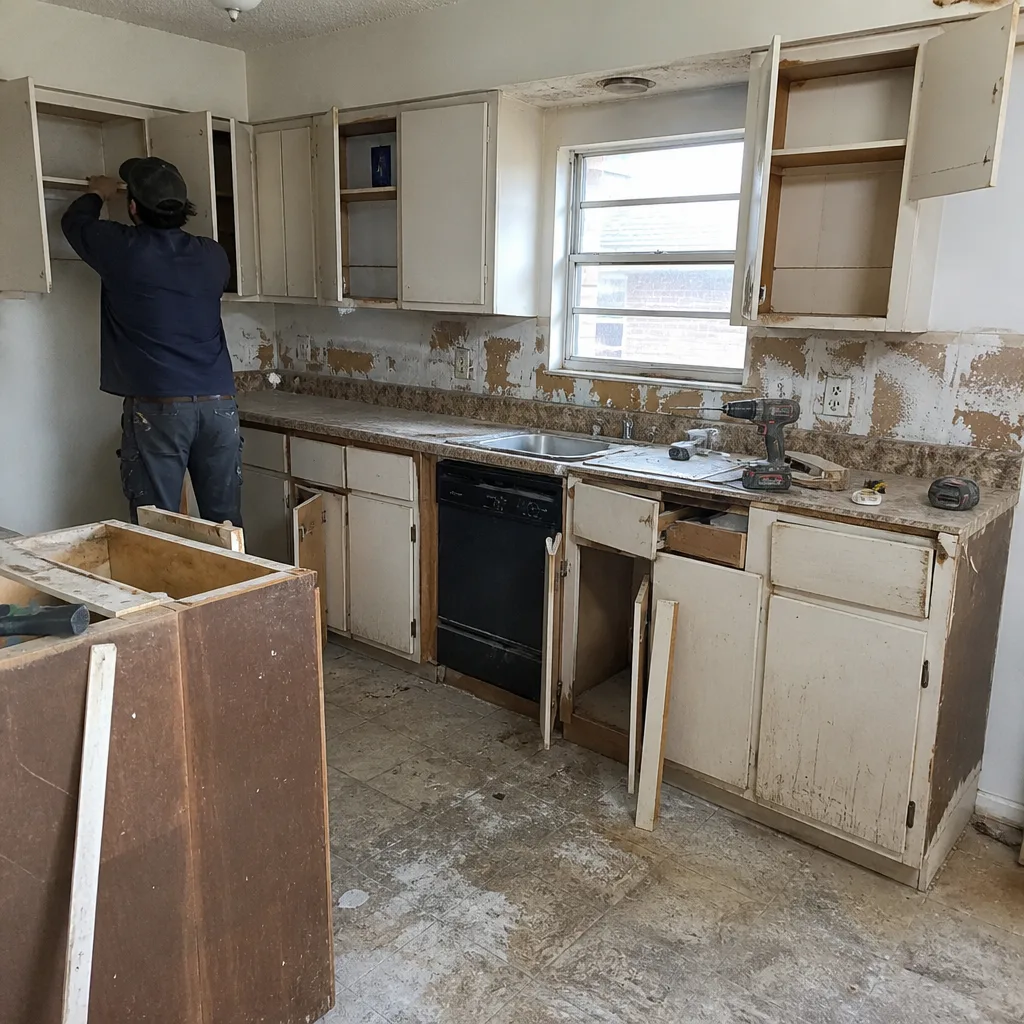
See the difference
 Before
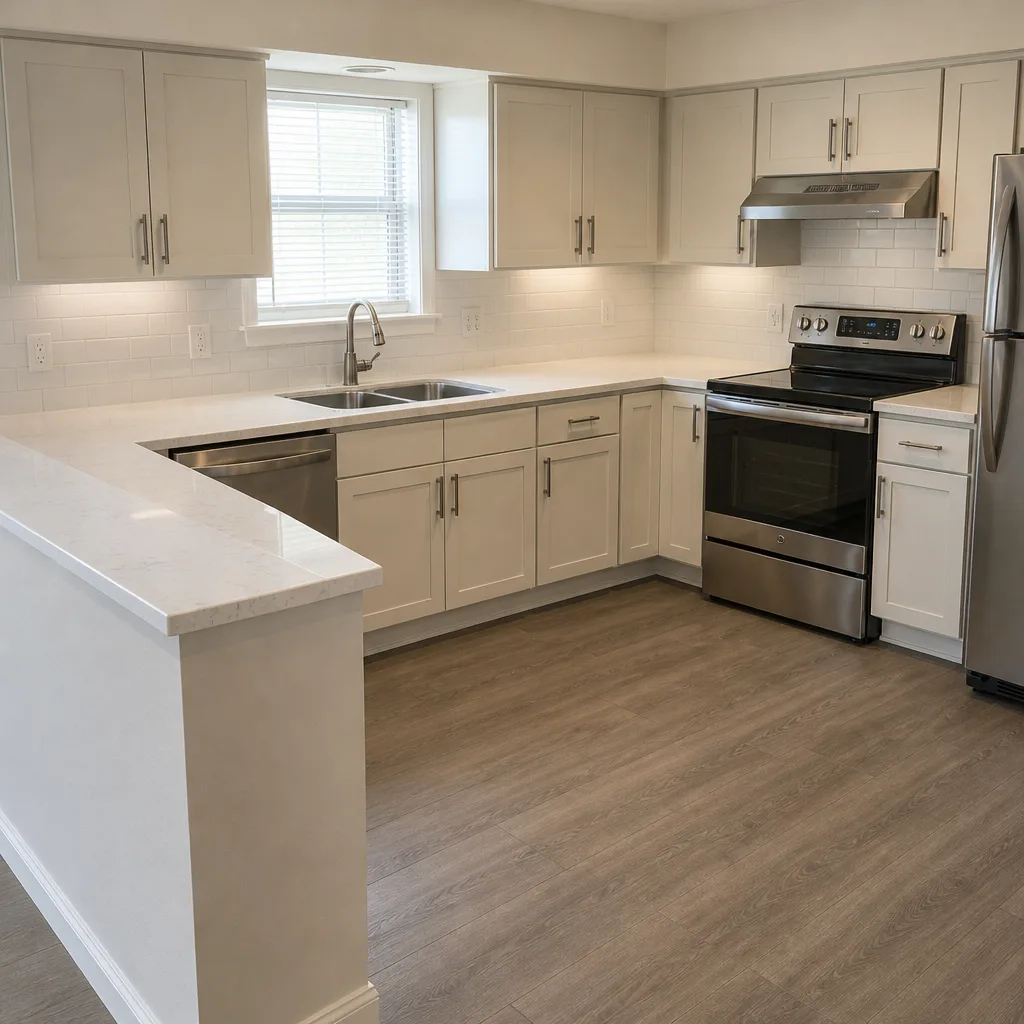 After
 Before
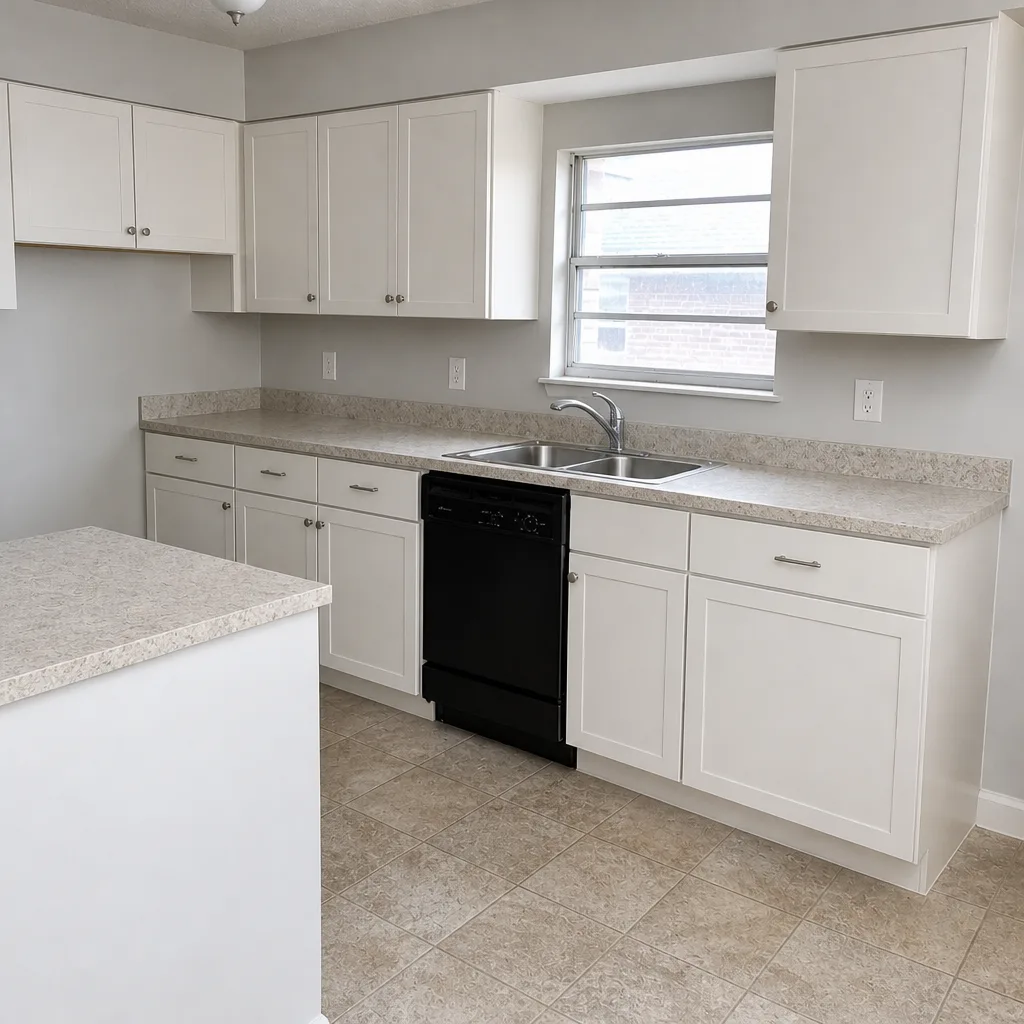 After
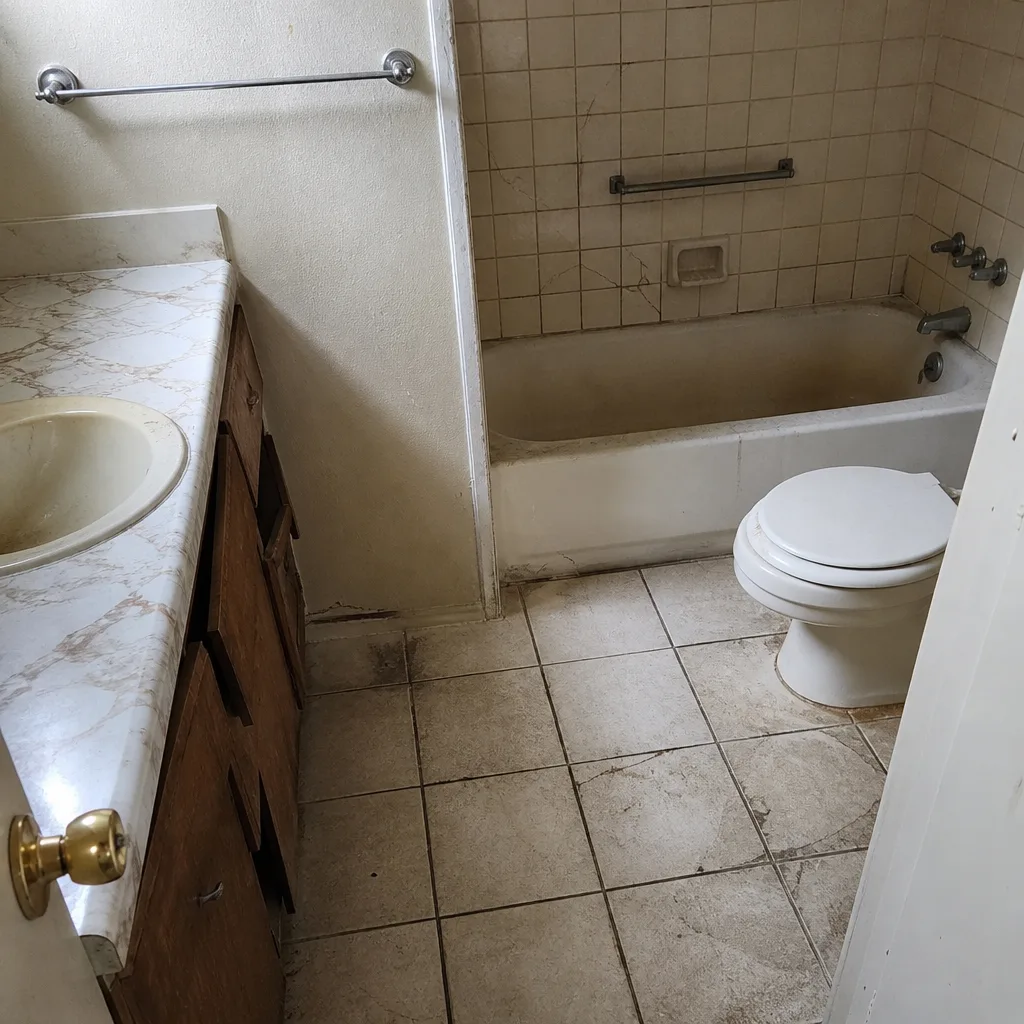 Before
 After
When to Call a Professional
Some work should never be a weekend project. Anything touching the electrical panel, gas lines, load-bearing structure, or the building envelope belongs in the hands of a licensed professional. If your scope involves relocating a bathroom, moving a load-bearing wall, upgrading a service panel, or resizing HVAC, call in a contractor. In our experience, the jobs that go wrong are the ones where a homeowner tried to sequence the trades alone. Bradford Remodeling Co McKinney offers free estimates in McKinney. Call (844) 834-0609 to schedule yours, and we’ll put the sequence, the price, and the guarantee in writing before any work starts. Start from our Bradford Remodeling Co McKinney home page to see how we run a job.
Frequently Asked Questions

Most whole-home remodels in McKinney run six to twelve months, with the upper end reached when the work is phased while you occupy the home. Full-vacate projects finish faster because trades run one continuous pass. The biggest variable is how many inspections you trigger and whether the sequence is planned. Call (844) 834-0609 for a timeline built around your specific scope.
Yes. A residential remodel that changes structure, the envelope, or multiple systems needs a permit, and certain work like panel upgrades and new gas lines pulls its own permit. Ask your contractor which permits will be filed and under whose license. We file the coordinated package and schedule inspections as part of the written scope.
Expect $160,000 to $300,000+ for a full whole-home remodel, with cosmetic refreshes and mid-scope projects landing lower. Infrastructure work (plumbing moves, panel upgrades, HVAC) often drives the variance more than finishes. Call (844) 834-0609 for an exact quote – estimates are free and come in writing.
It depends on your scope. Staying occupied saves temp-housing cost but can add 15% to 30% to the timeline and a real stress premium. Vacating finishes faster with cleaner work. We price both options in writing so you can compare them honestly rather than guess.
Not if the scope and change-order process are structured correctly. The Garrison Standard means a written price before any work starts, and any scope change gets priced in writing before it happens. No verbal “we’ll figure it out at the end.” That’s how surprise invoices happen, and we don’t operate that way.
Every completed Bradford project carries a full-year written guarantee. If the work fails inside that 12-month window, we return and correct it at no charge. It’s a written guarantee in your hand at close, not a verbal promise. Call (844) 834-0609 to talk through what it covers for your project.
The Bottom Line
A McKinney whole-home remodel is a sequencing problem before it’s a design problem. Get the trade order right (demo and structure, MEP rough-in, inspections, insulation, drywall, finishes), file your permits as one coordinated package, and decide honestly between phased and vacate before you sign. Structure the contract around phase-based payments, written change orders, and guarantee terms. Price the infrastructure before the finishes. Do those things and your remodel closes in a year with a clean site, a documented scope, and a signed written guarantee in your hand. Skip them and the surprises are yours to fund.
Our technicians have up to 22 years of experience running jobs that are squared away from the first gate to the last. Bradford Remodeling Co McKinney offers free estimates in McKinney. Call (844) 834-0609 to schedule yours – we’ll put the price and the promise in writing before a single tool comes out.
Written by the team at Bradford Remodeling Co McKinney.