Last updated November 18, 2026




Free written scope consultation - allowances, timeline, and change-order rules on paper before a single trade is scheduled
Construction Cost Breakdown: The McKinney Homeowner’s Reference for 2026
The national average for a kitchen remodel is quoted at $27,000. In McKinney, the same mid-range scope lands closer to $38,000 to $44,000. That gap isn’t inflation and it isn’t a contractor padding a bid. It’s a market mismatch baked into every national estimate tool, which builds its numbers from labor and material markets that don’t match Collin County in 2026.
This guide publishes the McKinney-specific cost structure: line-item budgets for the five most common remodels, how the city calculates permit fees, what trades actually charge here, and why the standard 10 to 15 percent contingency is too thin for a lot of McKinney projects. If you’ve been budgeting from a national calculator, this is the correction.
Quick Answer
In McKinney in 2026, a mid-range kitchen remodel runs roughly $38,000 to $44,000, a hall bath $16,000 to $24,000, a 300-square-foot addition $95,000 to $140,000, a composite deck $14,000 to $22,000, and a garage conversion $28,000 to $45,000. Those figures include materials, Collin County labor, city permit fees based on project valuation, and a realistic contingency. National averages run 25 to 40 percent low here because they miss the labor premium, Texas sales tax on materials, and McKinney’s fee schedule.
Styles & brands we work with
- Kitchen remodeling
- Bathroom remodeling
- Home additions & ADU
- Roofing
- Windows & doors
- Driveway & pavers
- Fence
Table of Contents
- Why National Cost Averages Miss McKinney
- Line-Item Costs for the Five Most Common McKinney Remodels
- How McKinney Calculates Permit Fees
- Collin County Labor Rates by Trade
- Why 15 Percent Contingency Isn’t Enough Here
- How to Read a Contractor’s Cost Breakdown
- Common Mistakes to Avoid
- When to Call a Professional
Why National Cost Averages Miss McKinney
National estimate tools pull from survey data that averages a $55-per-hour electrician in Ohio with a $95-per-hour electrician in Frisco. McKinney homeowners don’t get to average. They pay what Collin County trades charge in the current market, and that market has been tight for years as the corridor between McKinney and Prosper keeps adding rooftops faster than it adds licensed tradespeople.
Three specific forces push McKinney numbers above the national line:
- Labor premium. Collin County sits in one of the strongest construction labor markets in Texas. Framing, electrical, plumbing, and tile crews charge 15 to 30 percent above national survey medians because they can. The work is here and the crews are stretched.
- Texas sales tax on materials. Texas taxes construction materials at the point of purchase, and that tax lands in your budget. On a $22,000 kitchen cabinet and countertop package, an 8.25 percent McKinney combined rate adds roughly $1,800 that a national calculator usually omits.
- McKinney’s permit fee schedule. The city calculates fees from project valuation, so a higher-value project pays a higher fee. A national average assumes a fixed permit cost. McKinney doesn’t work that way.
We’ve seen homeowners walk into a first bid meeting with a $30,000 kitchen number from a national site and a $42,000 quote in hand from a local contractor, convinced the contractor is gouging. The contractor isn’t. The national number was never real for McKinney. A remodeler that gives you a written price before any work starts will show you exactly where each dollar goes, which is the only way to tell the difference between a fair bid and an inflated one.
If you’re starting from scratch on a whole-home scope, our Bradford Remodeling Co McKinney home page lays out how we structure a project from first walkthrough to signed guarantee.
Line-Item Costs for the Five Most Common McKinney Remodels
These ranges reflect mid-range finishes, not builder-grade and not luxury. Each breaks out materials, labor, permits, and contingency separately so you can see where the money actually sits. Permits are estimated from McKinney’s valuation-based fee schedule; your exact fee depends on the final project value on the application.
1. Kitchen Remodel (Mid-Range)
- Materials: $17,000 to $21,000 (cabinetry, countertops, tile, appliances, fixtures)
- Labor: $13,000 to $16,000 (demo, framing, electrical, plumbing, tile, install, finish)
- Permits: $450 to $900
- Contingency (15%): $5,000 to $6,500
- Total: roughly $38,000 to $44,000
Cabinet choice drives more of this number than anything else. A KraftMaid or Wellborn semi-custom line with a documented spec sheet will price differently than a stock box, and the countertop pairing matters too: Cambria and Caesarstone quartz both price above a standard granite. Our Kitchen Remodeling in McKinney page goes deeper on the finish tiers.
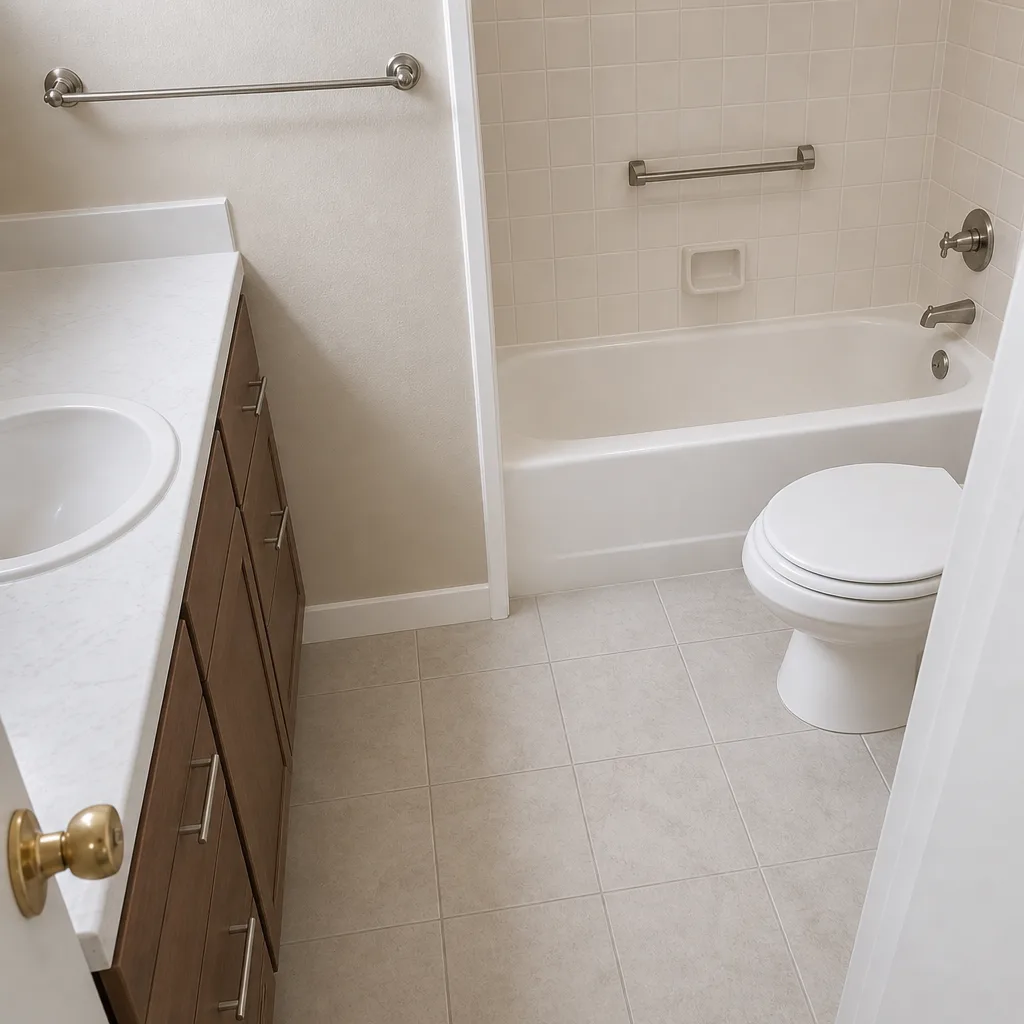
2. Hall Bath Remodel
- Materials: $7,000 to $10,000 (tile, vanity, fixtures, tub or shower)
- Labor: $6,500 to $9,000
- Permits: $250 to $500
- Contingency (15%): $2,000 to $2,800
- Total: roughly $16,000 to $24,000
A Kohler or Moen fixture package sits in the middle of the market and holds up. If the bath is a full gut with relocated plumbing, add $3,000 to $5,000 for rough-in work.
3. Room Addition (300 sq ft)
- Materials: $42,000 to $58,000 (foundation, framing, roofing, siding, windows, finishes)
- Labor: $40,000 to $55,000
- Permits and engineering: $1,800 to $3,500
- Contingency (20%): $10,000 to $17,000
- Total: roughly $95,000 to $140,000
Roofing and siding tie directly to the existing house. GAF or CertainTeed shingles and a matching James Hardie exterior keep the addition reading as original construction, not a bolt-on. See our General Contractor in McKinney page for how additions run through the permit and inspection sequence.
4. Deck (Composite, 300 sq ft)
- Materials: $8,000 to $12,000
- Labor: $4,500 to $7,000
- Permits: $200 to $450
- Contingency (10%): $1,300 to $2,000
- Total: roughly $14,000 to $22,000
Decks over 30 inches above grade require a permit and inspection in McKinney. Composite decking surfaces and a code-compliant footing detail are the two biggest cost swing items.
5. Garage Conversion
- Materials: $11,000 to $17,000 (framing, insulation, drywall, flooring, electrical, HVAC)
- Labor: $13,000 to $20,000
- Permits: $600 to $1,200
- Contingency (20%): $5,000 to $7,500
- Total: roughly $28,000 to $45,000
Garage conversions carry the highest contingency of the five because the slab, the ceiling height, and the HVAC tie-in often turn out worse than the first walkthrough suggested. If you’re converting a garage in a pre-2000 McKinney neighborhood, budget the top of the range.
How McKinney Calculates Permit Fees
McKinney calculates residential permit fees from the project’s declared valuation, not from a flat schedule. That means a higher-value project pays a higher fee, and it means the number on your permit application has a direct effect on what you owe the city before the first nail is driven.
The structure works roughly like this:
- The contractor files a permit application with a stated project valuation.
- The city applies a fee schedule tied to that valuation, with a minimum base fee and incremental charges that scale up with declared value.
- Additional review fees apply for structural, electrical, plumbing, and mechanical permits filed alongside the main building permit.
- Inspection fees are usually bundled into the initial permit cost, not charged per visit.
For common McKinney scopes in 2026, permit costs land in these ranges:
- Hall bath: $250 to $500
- Kitchen: $450 to $900
- Deck: $200 to $450
- Garage conversion: $600 to $1,200
- 300-square-foot addition: $1,800 to $3,500, including engineering review
Two things to know. First, an accurate valuation protects you: undervaluing a permit is a common shortcut and it creates problems at inspection. Second, permits and inspections are part of the record, and the record protects the homeowner. A contractor who offers to skip the permit is telling you something about how the rest of the job will run. Permits pulled and inspections passed should be a line item you can see, not a promise you have to trust.
We’ve seen plenty of projects in the historic downtown McKinney blocks where the original 1920s or 1950s framing surprises everyone once the drywall comes off. Those surprises show up in the permit process too. A contractor who builds the permit and inspection sequence into the schedule from day one handles it without a change order conversation. The Bathroom Remodeling in McKinney page walks through exactly how that sequence runs for a bath scope.
Collin County Labor Rates by Trade
These are prevailing market rates in Collin County for 2026, not national survey medians. Hourly figures are what the trade charges the contractor, and they’re the number that lands in your budget after overhead and markup.
- Framing: $65 to $95 per hour. Crew-based pricing for additions and structural work runs higher because crew sizes are larger.
- Electrical: $85 to $125 per hour. A licensed electrician in the McKinney and Frisco corridor charges at the top of the Texas range because the trade is in demand.
- Plumbing: $80 to $120 per hour. Rough-in work on a bath or kitchen remodel is usually bid per fixture rather than per hour.
- Tile: $9 to $22 per square foot installed, depending on tile format and substrate prep. Large-format tile and a properly floated shower pan sit at the top.
The reason these numbers matter: a national calculator that assumes a $55-per-hour electrician will underprice the electrical portion of your kitchen by thousands of dollars. When you see a bid that’s suspiciously low on the trade side, ask what hourly rate was used to build it. The answer tells you whether the bid is honest or whether the contractor is planning to make up the difference later with a change order.
Our crews bring up to 22 years of experience to this work, and we’ve watched the Collin County labor market tighten steadily. A documented roster of premium materials and a crew that shows up on the agreed date is worth more in this market than a bid that undercuts everyone by 15 percent. The crew that shows up and finishes is the one that costs you least in the long run.
Why 15 Percent Contingency Isn’t Enough Here
:::callout
The standard 10 to 15 percent contingency is fine for a cosmetic refresh. It is not enough for any McKinney project that touches the foundation, a load-bearing wall, or a pre-2000 home. For those, budget 20 to 25 percent and treat the difference as protection rather than waste.
:::
Three conditions make McKinney projects unpredicably expensive under the surface:
- Expansive clay soils. North Texas sits on highly plastic clay that swells when wet and shrinks when dry. Foundations move. Some of that movement is visible and some isn’t until you open a wall or add a load. Pier and beam repairs, slab corrections, and re-leveling show up on plenty of McKinney additions and can run $8,000 to $20,000 on their own.
- Pre-2000 construction. The neighborhoods built out in the 1980s and 1990s often carry surprises behind drywall: undersized wiring added by previous owners, aluminum branch circuits, plumbing that doesn’t match current code, and framing that doesn’t line up with the drawings.
- Load-bearing wall removals. Opening up a kitchen into a dining room means installing a beam and often a post footing. On a two-story home, a structural engineer’s stamped drawing and the beam installation itself add $5,000 to $15,000 that a national calculator never predicts.
A realistic contingency for a McKinney kitchen that touches a wall or a bath that sits over a slab is 20 percent. For a garage conversion or an addition over potentially moving clay, 20 to 25 percent. If the buffer doesn’t get spent, it goes back to you. If it does, you don’t find yourself mid-project shopping for a loan while the crew is waiting.
How to Read a Contractor’s Cost Breakdown
The most common source of a change order in McKinney is an allowance set too low to cover what the homeowner actually picks. When you read a bid, look right at the allowances.
Here’s how to scan a cost breakdown the way a contractor does:
- Find the allowances. Cabinetry, countertops, tile, plumbing fixtures, lighting, and flooring are often listed as allowances rather than fixed prices. A $3,000 allowance for kitchen cabinetry will not buy a KraftMaid or Wellborn semi-custom set, and that gap becomes a change order the day you go to the showroom.
- Compare each allowance to a real showroom price. Walk into a cabinet showroom and price the set you actually want before you sign. If the allowance is short, the difference is your money on top of the contract.
- Check the electrical and plumbing line items. A kitchen bid that lists “$1,200 electrical” as a lump sum is a bidder who is about to discover more than they expected. Ask for a line-item detail: how many outlets, how many circuits, is GFCI included, is the range hood ducted.
- Look for the permit line item. If it isn’t there, ask whether the permit is included and who is filing it. A bid without a visible permit line is telling you something.
- Read the contingency line last. A bid with no contingency is either an underestimate or a bid that assumes the change orders are coming.
- Confirm the finish and guarantee terms. A bid should state the finish sequence and what happens if something fails after final walkthrough. A written guarantee in your hand at completion is the number that matters most.
Bradford sets every price in writing before any work starts, and the price you sign is the price you pay. That’s the practical meaning of The Garrison Standard: no number moves at the door, no allowances set artificially low to win a bid, no surprise invoice after the crew leaves. It’s also why we put specifications on paper, naming brand and model wherever a homeowner’s selection is fixed. When the material is documented at the start, there’s nothing to fight over at the end.
Common Mistakes to Avoid
- Budgeting from a national calculator. Angi, HomeAdvisor, and similar sites build their McKinney numbers from national survey data. Use them for the rough shape of a number, never for a commitment. If your first bid arrives 30 percent above a calculator estimate, that’s not a red flag on the contractor, it’s the gap in the tool.
- Skipping the contingency line. A McKinney remodel with no contingency in the budget is a remodel that’s already planning to overrun. Even a cosmetic refresh deserves 10 percent.
- Accepting an allowance for cabinetry or countertops without pricing a real selection first. This is the number-one source of change orders in Collin County. Walk a showroom before the contract is signed.
- Assuming the cheapest permit-valuation is the same as the safest one. Undervaluing a permit to lower the fee often costs more at inspection. Accurate valuation is protection, not paperwork.
- Ignoring the pre-2000 condition of the neighborhood. If the home was built in the 1980s or 1990s, budget for at least one surprise behind the drywall. Every experienced contractor in McKinney expects it.
- Choosing a bid by the bottom number. A bid that undercuts everyone on the trade side has to make the money back somewhere. It will be the change order or the finish line. Compare scopes side by side, not totals.
- Not reading the guarantee terms. A verbal promise to stand behind the work is worth what a verbal promise is worth. Ask for the guarantee in writing, with a defined window and a defined remedy.
When to Call a Professional
Some scope in a McKinney home is not a homeowner project. Load-bearing wall removals, anything touching the electrical panel, gas line work, foundation corrections, and second-story additions all require a licensed trade and a permit, and getting that wrong costs more to fix than it would have to do properly. High-tension springs, electrical service panels, and gas lines are genuinely dangerous and shouldn’t be handled by anyone without training. If your scope touches any of those, stop and bring in a licensed professional.
The rest of the judgment call comes down to time and risk. If you can’t afford a two-month schedule slip and a budget that moves, hire it out. If you don’t have a written price before work starts, don’t start.
Bradford Remodeling Co McKinney offers free estimates in McKinney – call (844) 834-0609 and the local pro will walk your project, price it line by line, and put the number in writing before anything else happens. We’re held to The Garrison Standard, and that means a live person answers the phone, background-checked technicians arrive at your door, and the price you sign is the price you pay.
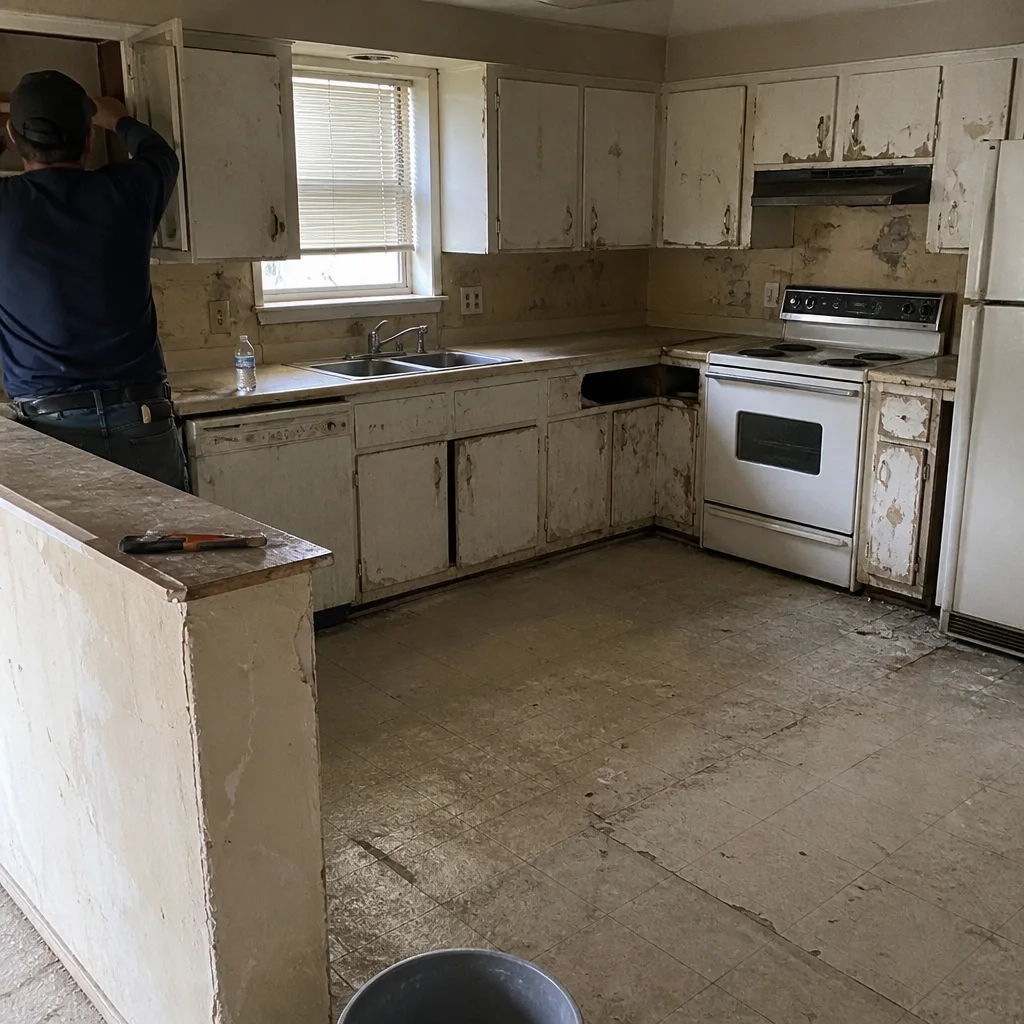
See the difference
 Before
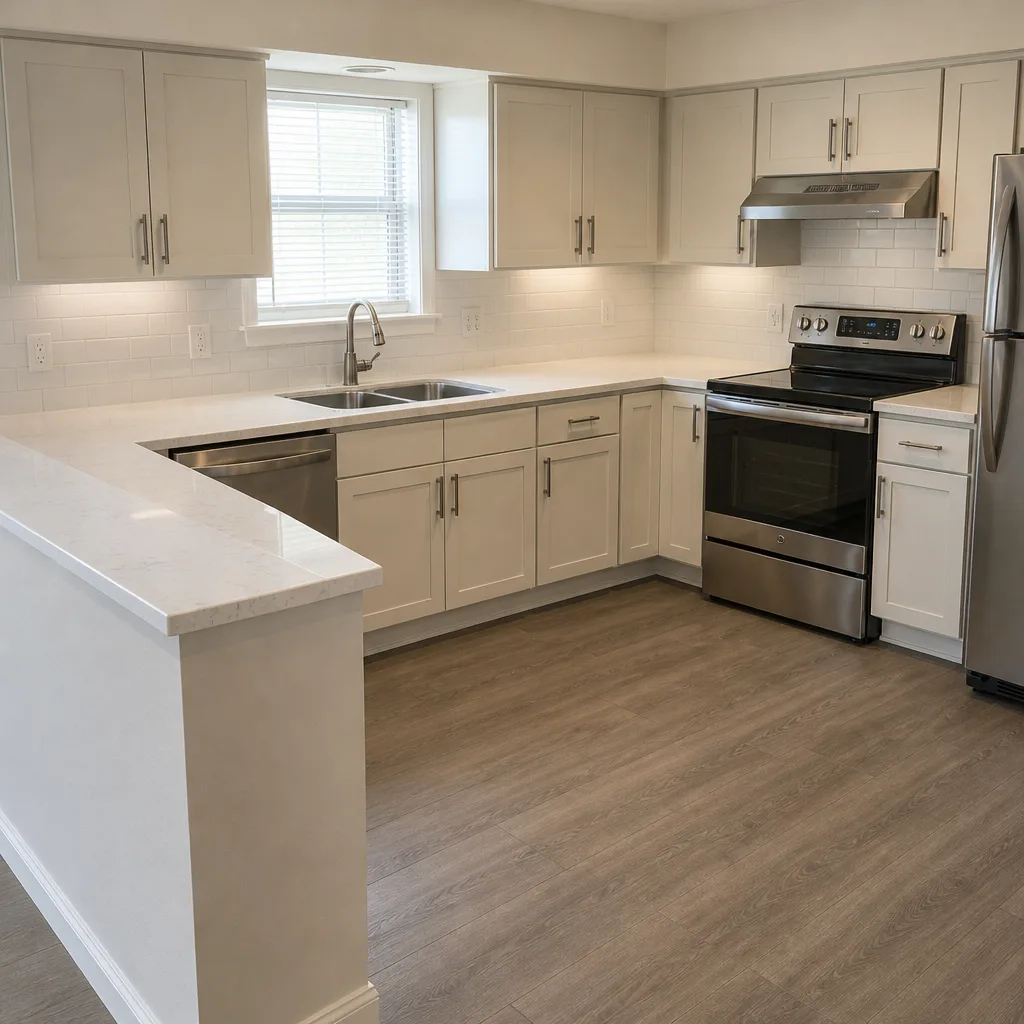 After
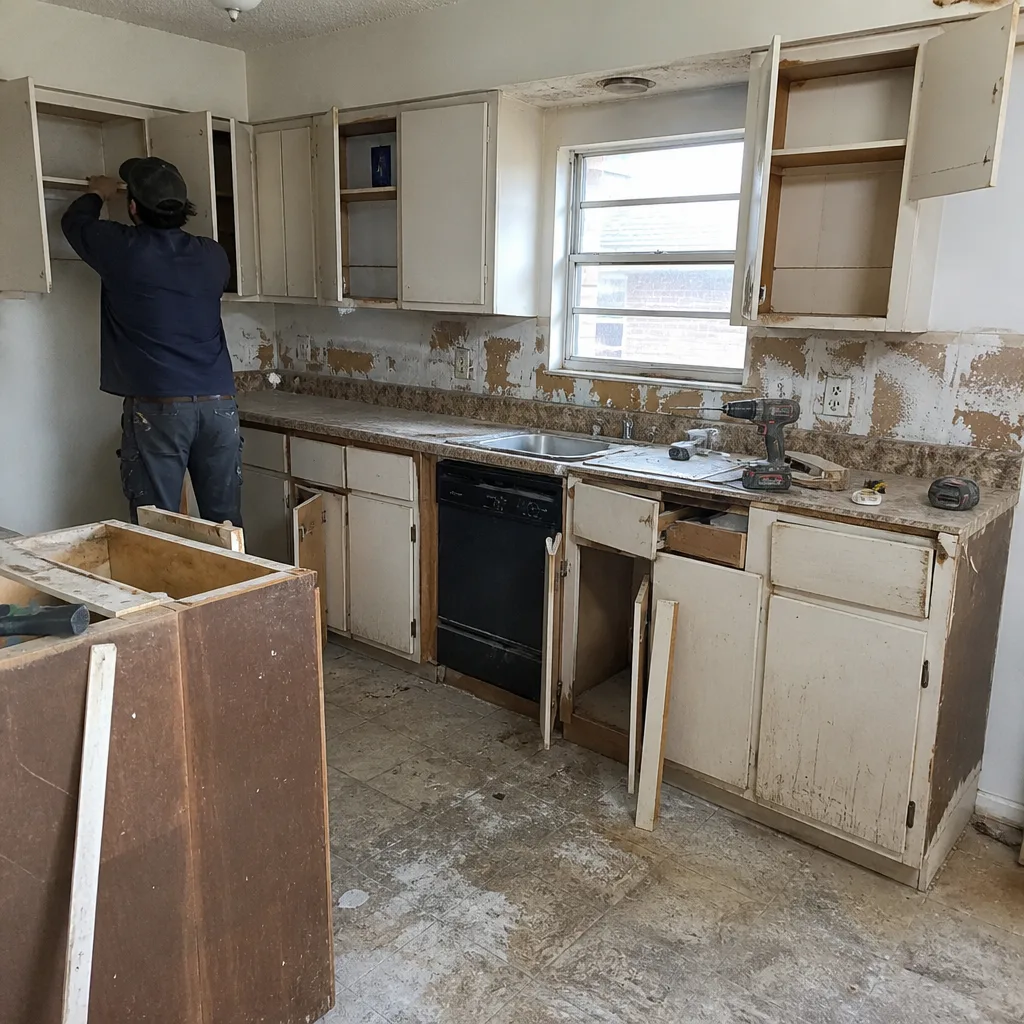 Before
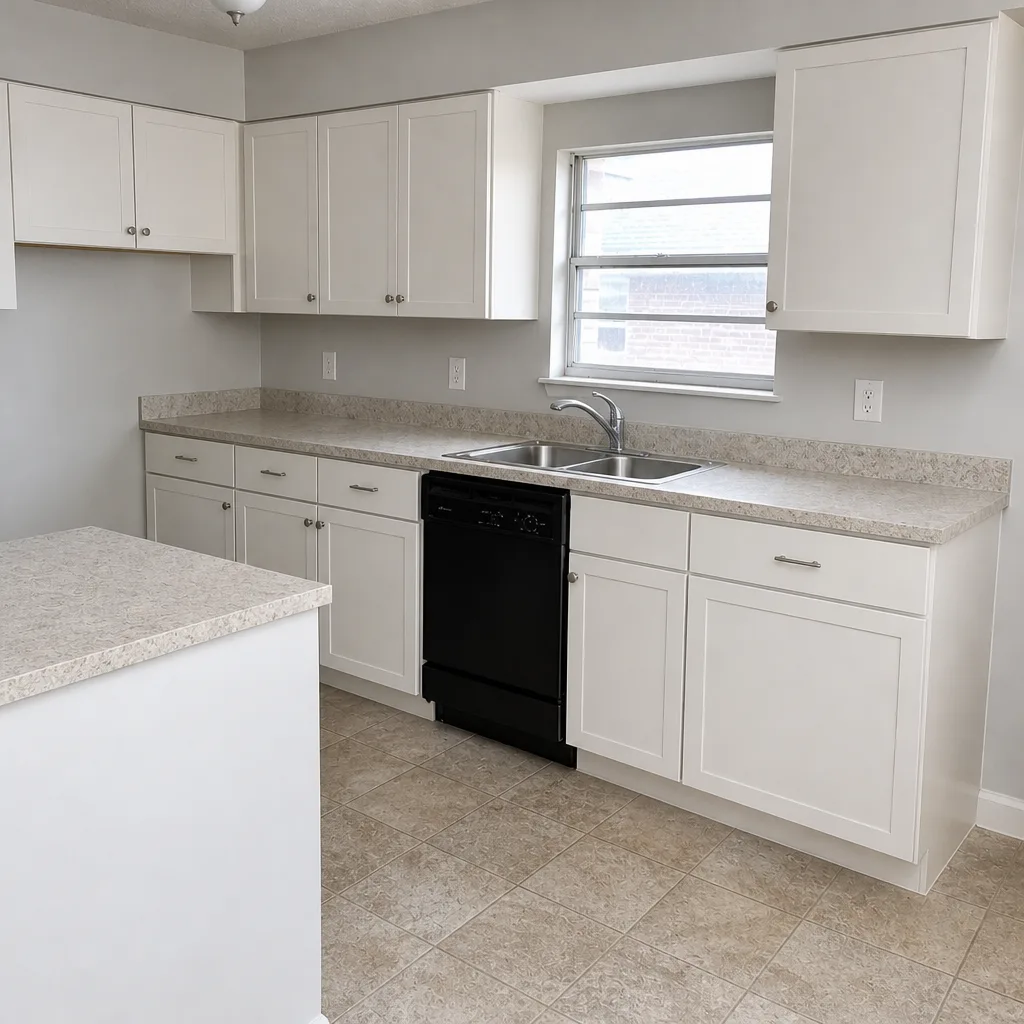 After
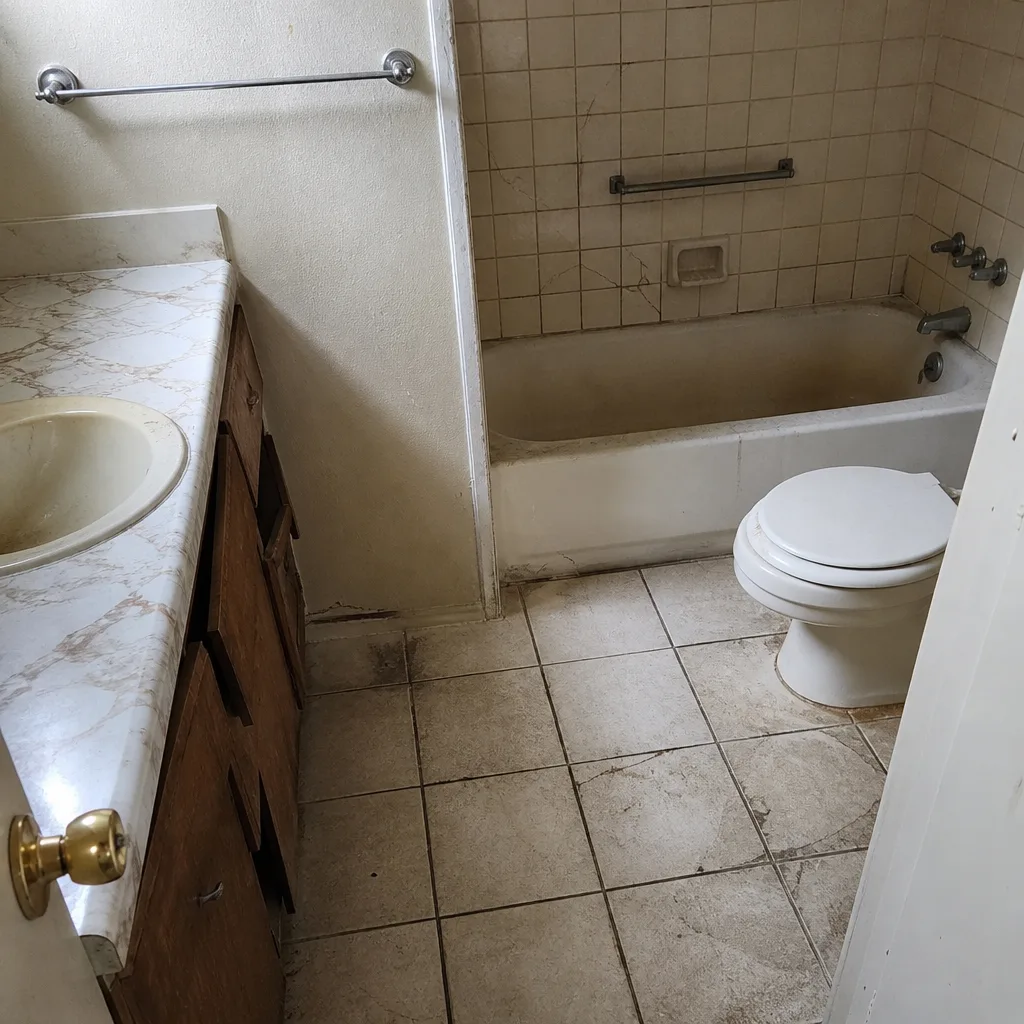 Before
 After
Frequently Asked Questions

Because the national average doesn’t describe Collin County. Labor runs 15 to 30 percent above survey medians, Texas sales tax on materials adds roughly 8.25 percent to the material side, and McKinney’s permit fee schedule charges by project valuation. Add those three together and a kitchen that a national calculator quotes at $30,000 legitimately prices at $40,000 or more here. Call (844) 834-0609 for a line-item estimate so you can see the breakdown yourself.
Yes, in most cases. Decks over 30 inches above grade and any garage conversion that creates habitable space require a permit and inspections in McKinney. The fee is calculated from project valuation, so expect $200 to $450 for a deck and $600 to $1,200 for a garage conversion. Call (844) 834-0609 and we’ll confirm your specific scope before you commit to a number.
Ten percent is the floor for a cosmetic refresh. Twenty percent is realistic for any kitchen or bath project that touches a wall or sits over a slab. Twenty to 25 percent is the right buffer for a garage conversion or an addition built on North Texas clay. Call (844) 834-0609 and we’ll size the contingency to your specific scope at the estimate.
Price the exact selection you want in a showroom before you sign. A cabinetry allowance of $3,000 cannot buy a semi-custom set from KraftMaid or Wellborn; a countertop allowance of $2,000 will not cover most Cambria or Caesarstone quartz selections. The gap between the allowance and the real price is the change order you’ll be writing later. Call (844) 834-0609 and we’ll show you how our written price fixes selections up front so the number doesn’t move.
Yes. Bradford Remodeling Co McKinney serves McKinney and the surrounding Collin County area as part of the Garrison Partners family, and every completed project carries the 365-Day Done Right Promise: if the work fails within a year of completion, we return and correct it at no charge. Our technicians bring up to 22 years of experience to the work.
A mid-range kitchen runs roughly $38,000 to $44,000 in McKinney, all-in: materials, labor, permit, and contingency. That includes cabinetry, countertops, tile, appliances, and the electrical and plumbing work that typically accompanies a kitchen update. Call (844) 834-0609 and the local pro will walk your kitchen and give you a written price before any work starts.
The Bottom Line
McKinney remodeling costs more than national averages because Collin County labor, Texas material tax, and the city’s valuation-based permit fees all sit above national survey data. The five common projects here – kitchen, bath, addition, deck, garage conversion – run 25 to 40 percent above the numbers you’ll see on Angi or HomeAdvisor, and the contingency is the line that protects those numbers from moving. A written price, a documented materials roster, and a written guarantee in your hand at completion are the three things that separate a project that finishes on budget from one that doesn’t.
Bradford Remodeling Co McKinney builds every project to The Garrison Standard: a written price before work starts, background-checked technicians at your door, a live person on the phone, and the 365-Day Done Right Promise covering the finished work for a full year. That’s what squared away looks like. Call (844) 834-0609 for a free estimate and a written price on your McKinney project.
Written by the team at Bradford Remodeling Co McKinney.