
Last updated November 18, 2026








Free written scope consultation - allowances, timeline, and change-order rules on paper before a single trade is scheduled
Construction Warning Signs: A McKinney Homeowner’s Reference Guide
A diagonal crack above a door frame in McKinney is more often caused by seasonal soil movement than by a failing header – but occasionally it’s both, and the difference in repair cost runs from about $200 to $8,000. Here’s the part most guides skip: the cause matters more than the crack. Across Collin County, expansive clay soil and fast subdivision construction create two very different failure patterns, and they look almost identical from the outside. This guide teaches how to read them by cause and effect, so you can tell a cosmetic shift from structural settlement, a hail bruise from a failing deck, and an attic condensation problem from the roof leak it imitates.
Quick Answer
Warning signs in a McKinney home fall into four buckets: foundation movement (cracks from soil moisture cycles), roofing damage (often hail-related and invisible from the ground), framing and load-path stress (common in homes built during the mid-2000s boom), and moisture problems (frequently attic HVAC condensation mistaken for roof leaks). The single best diagnostic tool is pattern, width, and location – not the crack alone. If a crack is wider than a credit card, diagonal above an opening, or actively spreading, call a professional rather than patching it.
Styles & brands we work with
- Kitchen remodeling
- Bathroom remodeling
- Home additions & ADU
- Roofing
- Windows & doors
- Driveway & pavers
- Fence
Table of Contents
- Foundation Warning Signs in Collin County’s Clay Soil
- Roofing Failure Signs After North Texas Hail
- Framing and Load-Path Signs From the 2004-2008 Boom
- HVAC and Moisture Signs That Mimic Roof Leaks
- How to Read a Crack: Cosmetic vs. Structural
- How to Document Warning Signs for a TRCA Notice
- What a Squared-Away Job Site Actually Looks Like
- Common Mistakes to Avoid
Foundation Warning Signs in Collin County’s Clay Soil
Collin County sits on expansive clay – soil that swells when wet and shrinks when dry, and does so dramatically across a North Texas year. A dry summer can pull foundation edges down a fraction of an inch; a wet spring pushes them back. That seasonal breathing explains why McKinney homes in older neighborhoods like Historic Downtown and along the eastern edge of the city show more foundation cracking than homes built on graded pads in newer subdivisions west toward Custer Road.
What to check, and what it means:
- Diagonal cracks at door and window corners. These track the load path above an opening. A hairline diagonal is usually soil movement; a widening one (see the crack guide below) suggests the corner is dropping.
- Sticking doors and windows that were fine last year. Racking from foundation movement binds frames. If a bedroom door only sticks in August, that’s seasonal. If it sticks year-round, it’s not.
- Gaps at the brick-to-frame transition. On masonry homes, a visible step or gap between brick veneer and window frame is a movement indicator, not a paint problem.
- Sloping floors. A marble or level test in two rooms tells you more in ten minutes than a visual scan.
- Exterior stair-step cracks in brick mortar. These follow the mortar joints in a staircase pattern and typically point to differential settlement at one corner of the foundation.
The distinction worth holding onto: seasonal cosmetic cracking returns to normal moisture cycles and costs $200 to $600 to patch and monitor. Structural settlement – where one corner keeps dropping regardless of weather – needs a foundation evaluation, and repair in McKinney commonly runs $4,000 to $12,000 depending on the pier system and linear footage. Don’t assume the worst from one crack, and don’t dismiss a spreading one.
Roofing Failure Signs After North Texas Hail
Here’s the gap that costs McKinney homeowners insurance claims: after a hail event, most people look for missing shingles and check the ceiling for stains. Adjusters look for something else entirely – granule loss at impact points, bruising on the mat beneath the shingle surface, and soft spots you can only feel from the roof deck. By the time a ceiling stain appears, the damage has been working for months.
What insurance adjusters actually inspect for after North Texas hail:
- Impact marks on soft metals first. Gutters, downspouts, vents, and flashing show dents from the same hailstones that bruised the shingles. These are easier to see and often more telling than the shingles themselves.
- Granule loss in a pattern. Worn patches on slopes that face the storm direction – not general weathering – flag hail impact rather than age.
- Bruising on the shingle mat. This requires touching. A bruised shingle feels soft and won’t spring back; that’s the tell an adjuster uses to approve a full replacement.
- Deck and flashing integrity at penetrations. Chimneys, skylights, and pipe boots are where water gets in even when shingles look fine.
- Attic-side staining and daylight. A flashlight scan of the roof deck from inside the attic reveals water paths the ceiling hasn’t yet shown.
If you’re filing a claim, photograph the soft-metal dents and any granule accumulation in gutters before you clean them. Those are the evidence points. A McKinney roof replacement after a documented hail event typically runs $9,000 to $18,000 depending on square footage and material – and getting the assessment right the first time is worth every minute spent documenting.
Framing and Load-Path Signs From the 2004-2008 Boom
McKinney grew fast between 2004 and 2008, and a lot of that housing stock went up while lumber grading oversight and inspection bandwidth were both stretched. Most of those homes are fine. But when something’s off in one, it often traces to framing details that were rushed – a header underbuilt for its span, a notched stud that never got a plate, a floor joist run that skipped blocking.
Signs to look for:
- Sagging rooflines. Step back across the street and sight along the ridge. A dip or a wave means a load isn’t transferring the way it should.
- Doors and windows that bind in the same room. If two openings in one wall stick together, the wall above them may be deflecting.
- Bouncy or deflecting floors. A noticeable bounce in a mid-span floor usually means undersized joists or missing blocking, not a foundation issue.
- Cracks that run horizontal, not diagonal. Horizontal cracking in a wall’s mid-span can indicate a wall carrying load it wasn’t designed for – worth a professional look.
- Ceiling drywall cracks in a straight line. These often trace a drywall joint over a framing member and can flag movement at that member.
Framing corrections aren’t always dramatic – sometimes it’s sistering a joist or adding a properly sized header. But diagnosing which member is under stress requires reading the load path, which is why these calls belong with a pro. Cross-checking against a general contractor in McKinney who knows the boom-era housing stock is the fastest route to an honest answer.
HVAC and Moisture Signs That Mimic Roof Leaks
One of the most common misdiagnoses we see in McKinney tract homes: a ceiling stain blamed on the roof that actually traces to the HVAC system sitting in the attic. North Texas attics swing from 60 degrees to 130-plus, and a poorly sealed air handler or an improperly sloped condensate line dumps moisture onto the deck and insulation – right where a roof leak would show.
How to tell the difference:
- Timing. Roof leaks worsen with rain. HVAC condensation shows up on hot, humid days whether it rained or not.
- Location. Condensation damage clusters around the air handler and drain pan; roof leaks tend to follow rafters, chimneys, and penetrations.
- The drip pan test. If the secondary drain pan under the unit holds water, the primary condensate line is likely clogged – fix that before you call a roofer.
- Insulation clues. Wet insulation near the unit but dry insulation toward the eaves points to the HVAC. The reverse points to the roof.
An improperly sealed plenum or a flex duct that’s slipped off a register throws cold air against hot attic air and condenses. In McKinney’s summer humidity, that shows up as a slow drip through a ceiling within a season. The fix is often $150 to $400 of duct and seal work, not thousands in roofing – and it’s a repair worth making before the moisture reaches framing or drywall.
How to Read a Crack: Cosmetic vs. Structural
Crack reading is a skill, and it’s the one most homeowners skip. Here’s a simple diagnostic framework – use it before you call anyone, and use it to describe what you’re seeing when you do.
- Measure the width. A crack that accepts a dime (about 1/32 inch) is typically cosmetic. One that accepts a credit card (about 1/16 inch) is a flag. One that accepts a nickel (about 3/16 inch) or wider is a call-a-pro situation.
- Note the direction. Diagonal cracks above a corner are classic movement. Vertical cracks at a drywall joint are often just a joint. Horizontal cracks in mid-wall can indicate load issues.
- Watch it over a season. Draw a pencil line across the crack and note the date. Cosmetic cracking shifts with the seasons; structural cracking keeps going in one direction.
- Check both sides. A crack through brick veneer that continues through the interior wall behind it is more serious than a surface crack in drywall alone.
- Look at the corners. Stair-step cracks at the corners of a masonry home are classic differential settlement markers and are worth a foundation look even if they’re narrow.
A $40 crack-measuring gauge and a pencil are the cheapest diagnostic tools a McKinney homeowner can own. What you’re tracking is movement over time, because one photograph on one day can’t tell you anything a contractor hasn’t seen a thousand times.
How to Document Warning Signs for a TRCA Notice
If a construction defect needs to become a contractor dispute, Texas has a specific process: the Texas Residential Construction Liability Act requires written notice with a reasonable description of the problem before a lawsuit can proceed. Documentation matters, and the format you collect it in now saves months later.
A practical documentation sequence:
- Photograph wide, then close. Every issue gets a wide shot locating it in the room or on the elevation, then a close shot with a ruler or gauge. Date every photo – your phone does this automatically.
- Log the issue in writing. One line each: location, observed condition, date first noticed, whether it’s changing. A note card works. A shared phone note works.
- Keep every receipt and invoice. Repairs you paid for to stabilize a problem are part of the record.
- Save the contract and any change orders. The written scope is the reference point for what was promised.
- Retain the written guarantee. Any written warranty that came with the work is part of your bundle.
- Send the notice in writing, and keep proof. Certified mail or a dated email is preferred. Describe what’s wrong, when it started, and what resolution you’re seeking.
The reason we carry the 365-Day Done Right Promise on every completed project is because a written guarantee made before work starts is the cleanest documentation of all. If a repair or remodel fails inside the guarantee period, the correction happens at no charge, and the guarantee describes exactly what’s covered and for how long. It’s the kind of paper most homeowners wish they’d had on the last job.
What a Squared-Away Job Site Actually Looks Like
Warning signs aren’t only about your house – they’re also about the crew. Before you sign with any remodeler in McKinney, look at how a job site is run. A disciplined operator looks the same on day one as on day close.
- A written price before any work starts. Not a range, not a verbal estimate – a fixed written price that doesn’t shift at the door.
- Materials you can trace. Documented manufacturer brands with specs and warranties, like GAF roofing, James Hardie siding, Therma-Tru doors, and KraftMaid or Wellborn cabinetry. When the materials are named, quality isn’t left to guesswork.
- A crew you can identify. Background-checked, uniformed technicians – you know who’s coming through your door before they arrive.
- A clean site at close. Debris hauled, dust contained, scope documented, and the written guarantee in your hand at walkthrough.
- A phone number that reaches a person. Live phone coverage, every day of the week.
The Garrison Standard – the operating framework behind Bradford Remodeling – exists because most homeowner complaints trace to a missing piece of paper, not a bad intention. The rule is simple: put the price and the guarantee in writing before the first tool comes out. If you’re comparing bids in McKinney, ask each contractor to write down exactly what’s covered, for how long, and what happens if it fails. Anyone who won’t is telling you something.
Common Mistakes to Avoid
- Patching a spreading crack. Cosmetic caulk over a structural crack hides the symptom and delays the diagnosis. Measure and monitor first, then patch only after you know what’s moving.
- Calling a roofer before checking the attic HVAC. In a McKinney tract home, ceiling moisture is as likely to be a condensate issue as a roof issue. Check the drip pan and the insulation around the air handler first.
- Cleaning gutters before photographing hail evidence. Granule loss in the gutters after a storm is evidence for an insurance claim. Photograph before you sweep.
- Accepting a verbal estimate. A number that isn’t written is a number that can move. Ask for the fixed written price, in writing, before any work starts.
- Skipping the season test. Judging a crack on one day tells you nothing. Two photographs, one in dry weather and one after rain, tell you what’s really happening.
- Not keeping the guarantee paperwork. The written guarantee on completed work is your safety net. File it, photograph it, and know the term. A full-year guarantee isn’t useful if you can’t find it.
- Starting a repair dispute without a written record. Email, photos, dates, receipts. If a Texas Residential Construction Liability Act notice becomes necessary, the paper trail is the case.
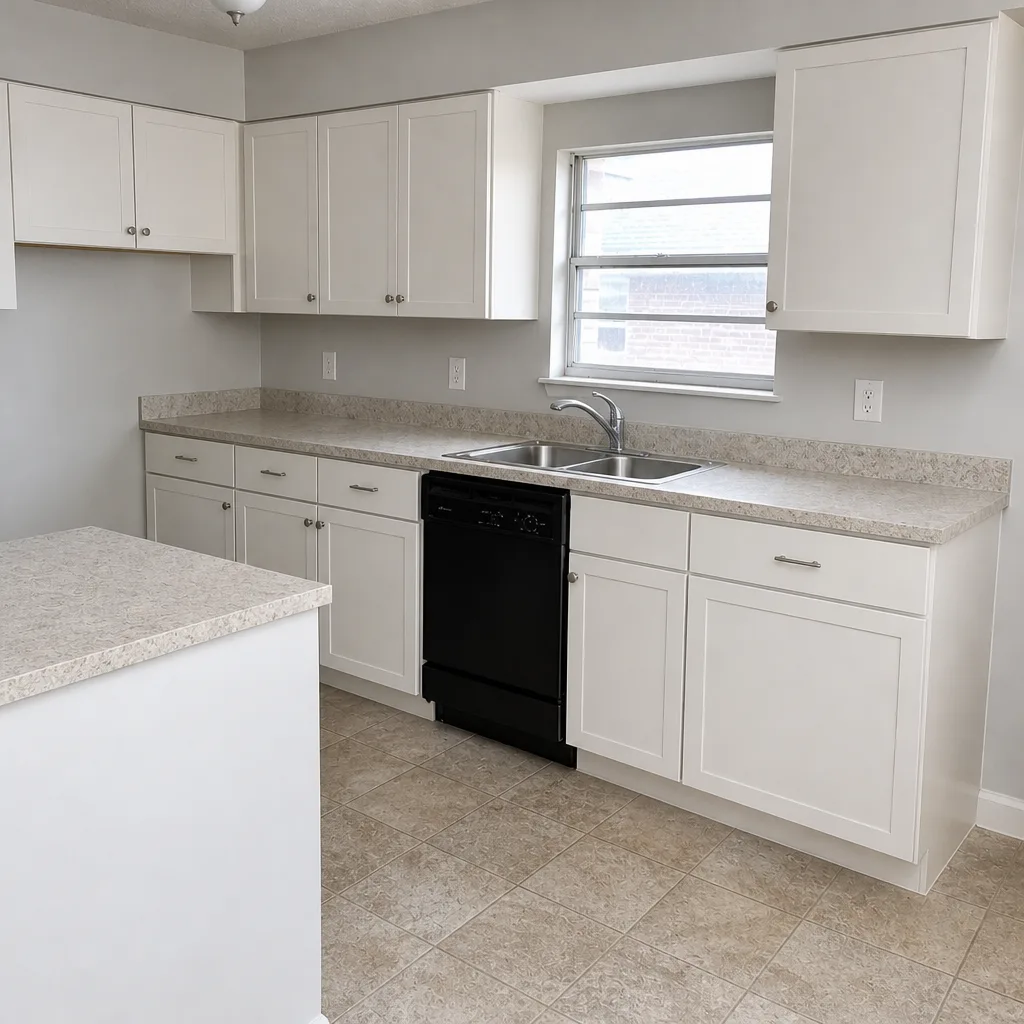
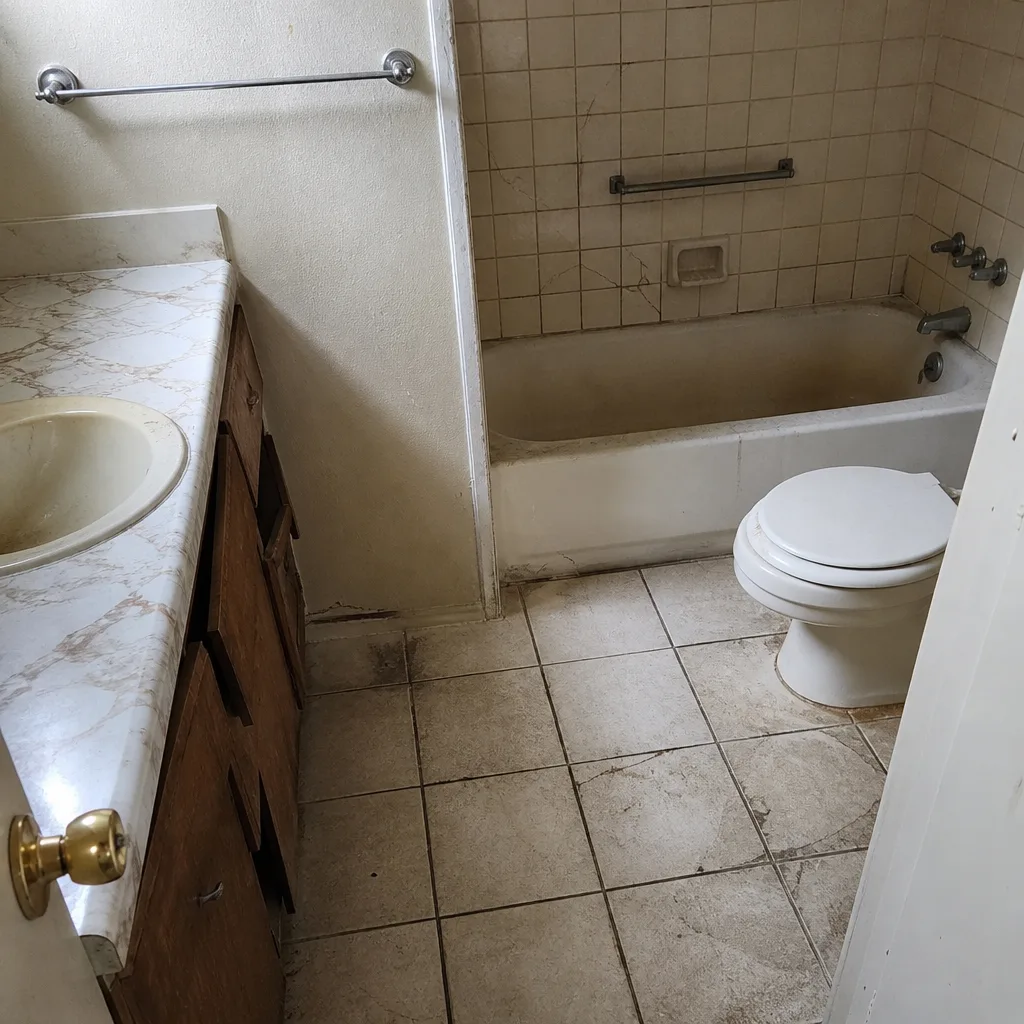
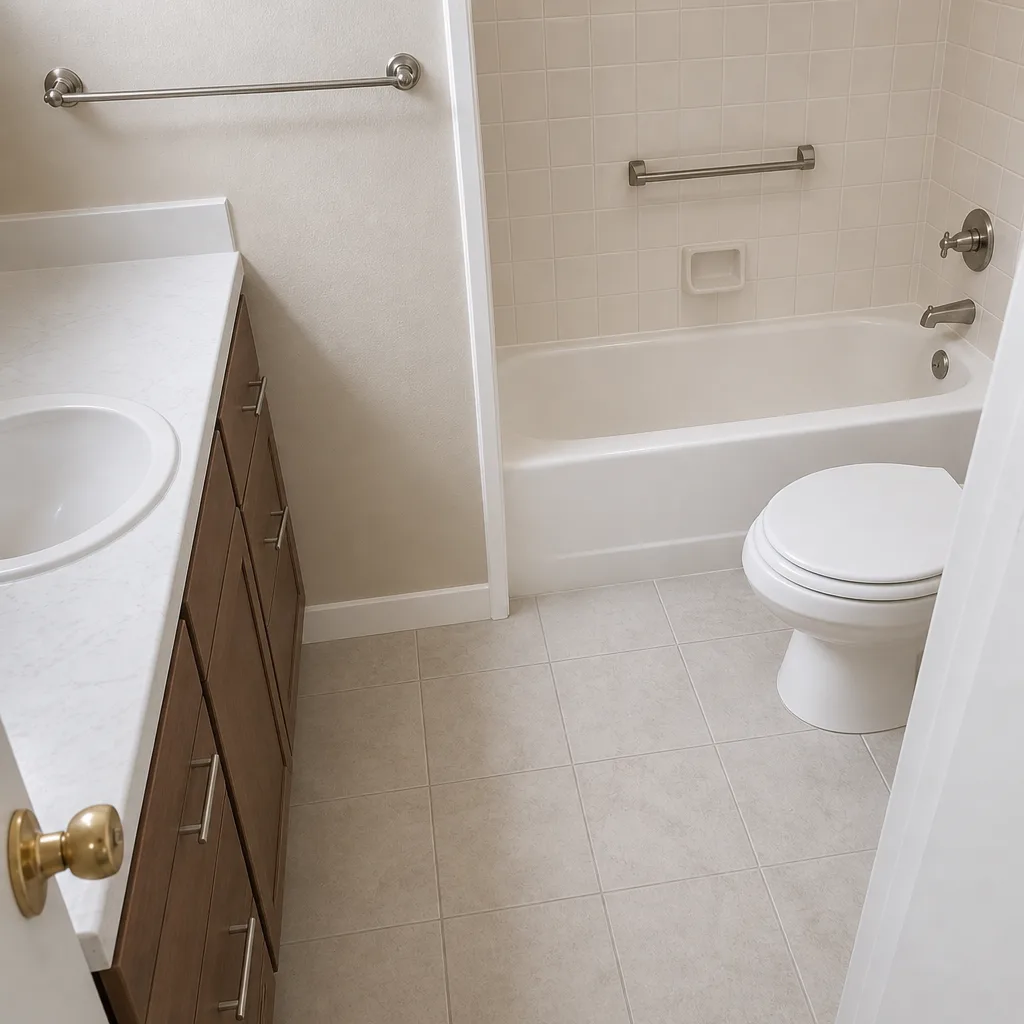
For the interior spaces most affected by these warning signs – kitchens and baths where moisture, framing, and finishes meet – it helps to see the work spec’d correctly from the start. A kitchen remodeling in McKinney done right will address substrate and rough-in before finish surfaces; a bathroom remodeling in McKinney should treat moisture management as a first-class concern, not an afterthought. For a whole-home perspective on how these systems interact, our Bradford Remodeling Co McKinney home page lays out the full scope of what we do.
See the difference
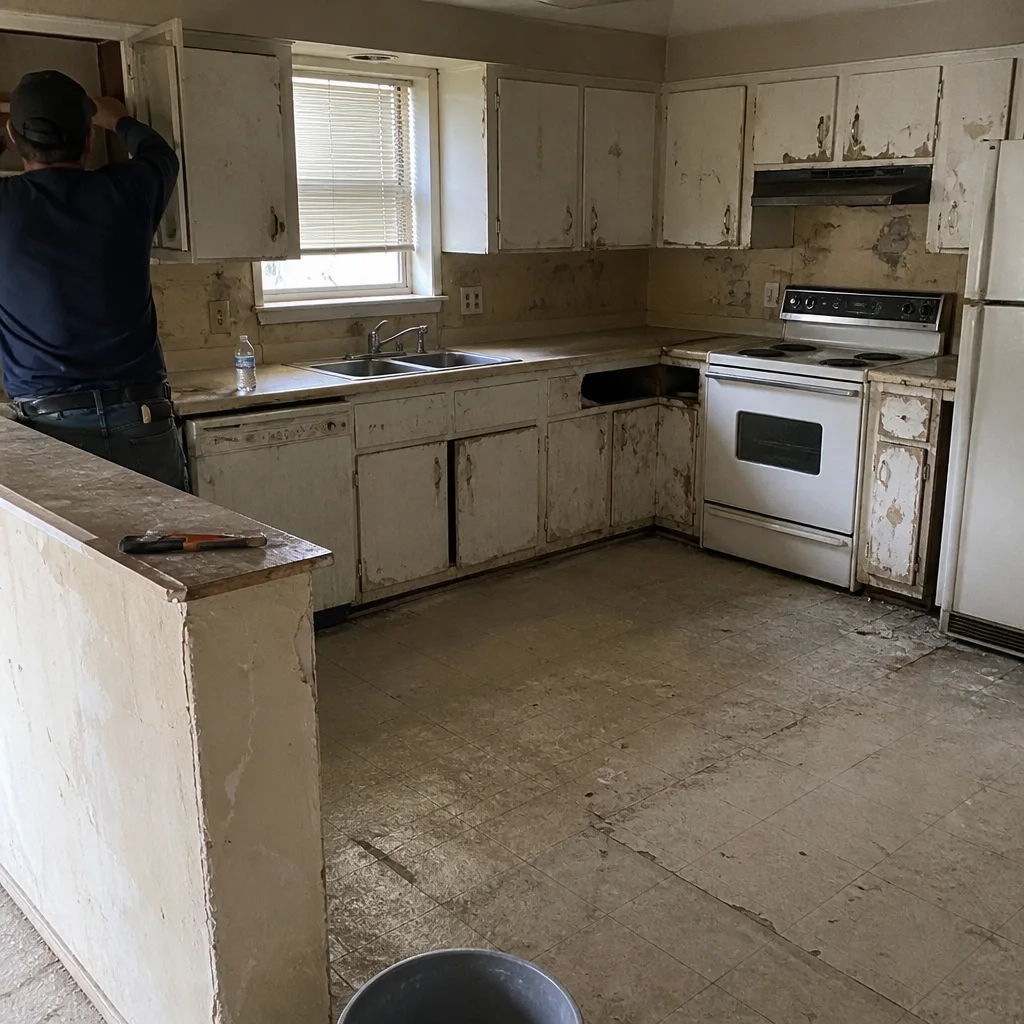 Before
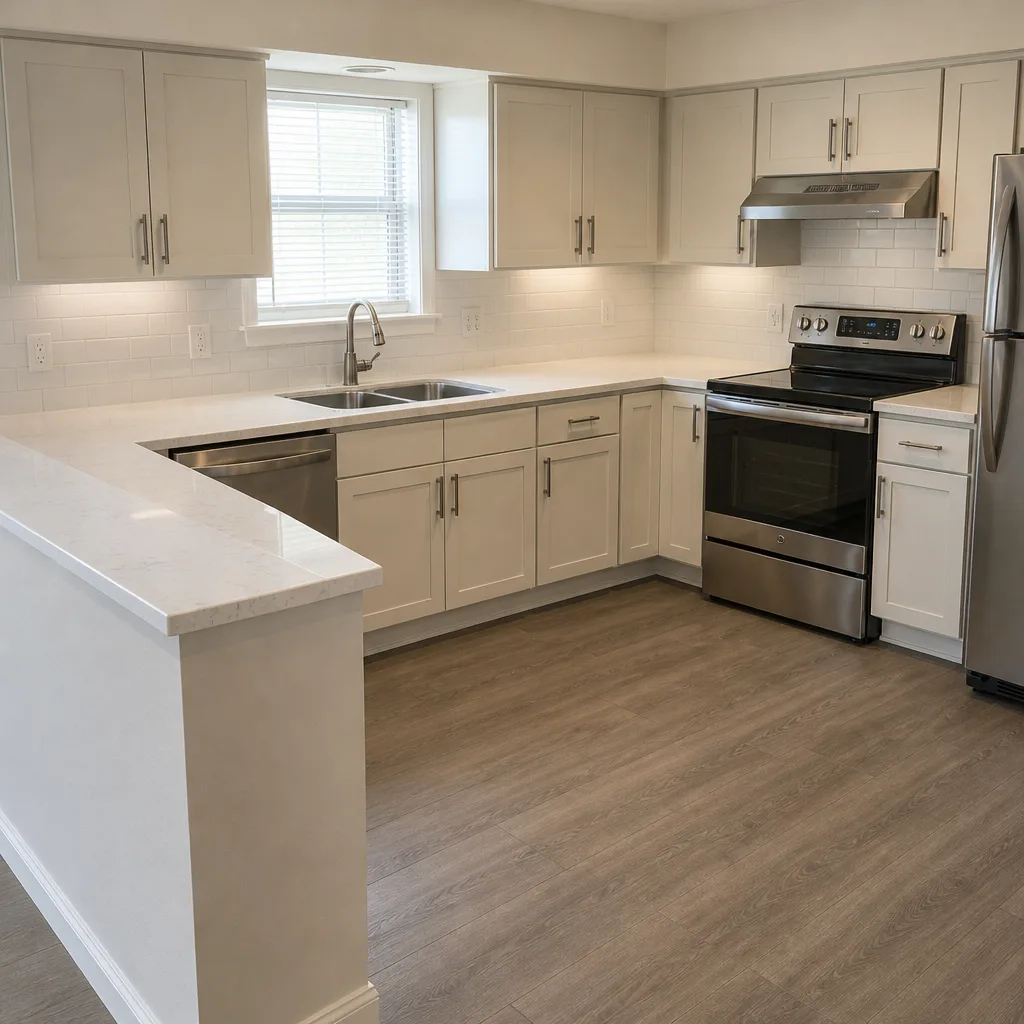 After
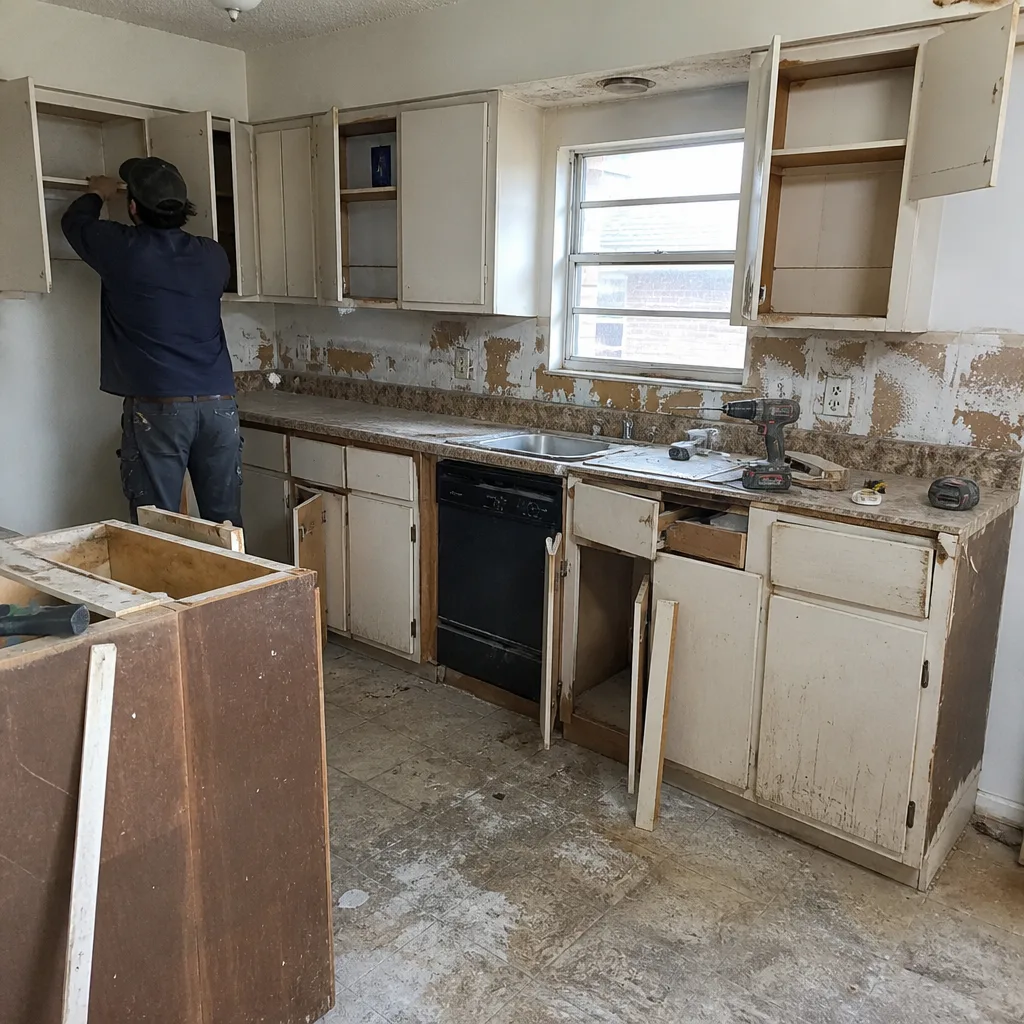 Before
 After
 Before
 After
When to Call a Professional
Some signs are genuinely a call-a-pro situation: a crack wider than a credit card, a diagonal crack above a door that’s growing, a sagging roofline, water staining that returns after a dry stretch, a floor that bounces under normal foot traffic, or any horizontal crack in an interior wall’s mid-span. Do not ignore attic moisture that keeps showing up on hot days – it’s more often HVAC than roof, and either way it needs diagnosis before the framing takes on water. In every one of these cases, a photo, a measurement, and a description of how long the condition has been present is what a professional needs from you to point you in the right direction. Bradford Remodeling Co McKinney offers free estimates in McKinney – call (844) 834-0609 to schedule one. You’ll get a written price before any work starts, and a live person answers the phone whenever you call.
Frequently Asked Questions
A crack wider than 1/16 inch – the thickness of a credit card – is worth a professional look, especially if it’s diagonal above a door or window. Hairline cracks from clay soil movement are common and cosmetic, but width plus a pattern of continuing movement is the flag. Call (844) 834-0609 for a free estimate if you’re unsure; framing and foundation questions are best answered in person.
No. In McKinney’s expansive clay, seasonal soil movement produces diagonal cracks above openings that are cosmetic and often stabilize. The differences that matter are whether the crack keeps widening, whether it continues through brick veneer into the interior wall, and whether doors in that corner stick year-round. Measure it, date it, and watch it across a season.
Check timing and location first: rain-driven leaks worsen with storms, while HVAC condensation shows up on hot, humid days regardless of weather. Then look at the drip pan under the attic air handler – standing water there means the condensate line is clogged, not the roof. Wet insulation clustered around the air handler points to HVAC; wet insulation near the eaves points to the roof.
Soft-metal dents on gutters, downspouts, and vents are the first inspection point, followed by granule loss in a pattern that matches the storm direction and bruising on the shingle mat that feels soft to the touch. Ceiling stains come too late to be useful evidence. Photograph the gutters before cleaning them and get an evaluation within the claim window.
Not when the price is written before work begins – that’s a fixed price, and it stays fixed. Bradford Remodeling puts the price in writing before the first tool comes out, with no numbers that move at the door. If scope changes because of something discovered in the walls or under the floor, that change is discussed and written before it’s executed. Call (844) 834-0609 to schedule a free estimate and see the written scope in detail.
Yes – permitted work is pulled and inspected as the local authority requires. Timeline depends on the scope: a foundation evaluation or a roofing assessment can be scheduled within days, while a full interior repair or remodel follows a written schedule set at contract. Every completed project carries the 365-Day Done Right Promise – if the work fails inside that guarantee period, we return and correct it at no charge. Call (844) 834-0609 for a free estimate.
The Bottom Line

Read the crack, not just the symptom. In McKinney, expansive clay soil and fast boom-era construction create failure patterns that look alike from the outside, and the diagnostic difference – width, direction, location, and movement over time – is what separates a $200 patch from an $8,000 repair. Photograph before you patch. Check the attic HVAC before you call the roofer. Document every issue in writing. And when you hire someone to fix what you find, insist on a written price before work starts and a written guarantee after. That discipline is what squared away looks like, and it’s what Bradford Remodeling brings to every McKinney project.
If any of the warning signs in this guide look familiar in your home, call (844) 834-0609 to schedule a free estimate. A written price, a documented scope, and a live person on the phone – that’s the starting point.
Written by the team at Bradford Remodeling Co McKinney.