Last updated November 18, 2026






Free written scope consultation - allowances, timeline, and change-order rules on paper before a single trade is scheduled
DIY vs Professional General Contractor: What’s Safe to Do Yourself
In Texas, if you pull your own building permit as an owner-builder and sell the house within one year, you are legally required to disclose it – and your buyer’s lender may require proof the work passed inspection or deny the loan entirely. That single fact changes the DIY conversation. It means the decision in front of you isn’t really about whether you can swing a hammer. It’s about permit exposure and insurance liability, two things no tutorial video ever puts on screen. This guide breaks down what a homeowner can legitimately self-manage in McKinney, where the line actually sits, and why three specific project types almost always cost more DIY once permit corrections and rework get factored in.
Quick Answer

In Texas, you’re generally free to handle cosmetic and non-structural work yourself – paint, flooring, trim, cabinet replacement, fixtures on existing rough-in – without a permit or a contractor. Anything that touches structural framing, the electrical system, gas lines, HVAC, or the building envelope typically requires a permit, and signing that permit as an owner-builder transfers full inspection liability onto you and your home’s title. Most McKinney homeowners are safest self-managing cosmetic projects and hiring a licensed professional for anything that triggers an inspection.
Short version: if it needs a permit and a municipal inspection, the smart default is a professional. If it’s paint, trim, or a swapped fixture on existing wiring, it’s genuinely yours to run.
Styles & brands we work with
- Kitchen remodeling
- Bathroom remodeling
- Home additions & ADU
- Roofing
- Windows & doors
- Driveway & pavers
- Fence
Table of Contents
- What “Owner-Builder” Actually Means on a Texas Permit
- The Trades Where DIY Work Can Void Your Insurance
- The Scope Threshold: Where You’re Free vs. Where a GC Is Required
- Using a GC as Construction Manager While Running Your Own Subs
- Three Project Types Where DIY Costs More Than Hiring
- How This Plays Out in McKinney Specifically
- Common Mistakes to Avoid
- When to Call a Professional
What “Owner-Builder” Actually Means on a Texas Permit
When you sign an owner-builder affidavit at the McKinney permit counter, you’re telling the city you are the contractor of record for that job. You are not hiring a professional to supervise it. You are accepting legal responsibility for every inspection the work has to pass, for code compliance in the trades you touched, and for any injury or property damage that occurs on the site during construction.
That last part is the one homeowners underestimate. Your standard homeowner’s policy does not automatically cover uninsured tradespeople working under your direction. If the framer you found on a neighborhood forum falls off a ladder in your backyard, that’s a liability exposure filed against your name and your property, not theirs.
What signing the affidavit puts on you
- You schedule every inspection, and you own the reinspection fees if the work fails.
- You are the point of contact for code enforcement, not the sub you hired.
- You assume the general liability the licensed contractor would normally carry.
- The permit history stays attached to the property address, not to a licensed company.
- If you sell within a year, Texas seller disclosure rules require that you disclose the owner-builder permit and the inspection record.
The last point is where the mortgage lender enters the picture. A buyer’s lender, especially on an FHA or VA loan, may require the appraiser to confirm that permitted work was inspected and closed out. An open or failed owner-builder permit can stall financing on a sale the buyer had already financed around.
The Trades Where DIY Work Can Void Your Insurance
Homeowners know that DIY electrical is risky. Almost nobody knows that a water heater swapped without a permit, or a bathroom fan wired to a circuit that was never sized for it, can void coverage on the resulting damage claim – even years later, when the failure has nothing to do with the original work at that moment.
Here’s the way to think about it: homeowner’s insurance pays for sudden, accidental damage. It does not pay for damage caused by unpermitted work that a reasonable inspection would have caught. Insurers can decline a claim after an adjuster finds the failure traces to work that was never inspected or permitted.
The trades that carry this exposure in Texas
- Electrical: panel changes, new circuits, anything downstream of the service panel that wasn’t inspected.
- Plumbing gas lines: running a new gas line to a range or grill requires a permit and pressure test in most Texas jurisdictions; a leak that ignites is treated as unpermitted work.
- HVAC: refrigerant handling requires EPA Section 608 certification; a homeowner recharge without certification voids equipment warranties in many cases.
- Water heater replacement: a permit is almost always required, and a T&P valve or expansion tank installed incorrectly is a flood claim waiting to happen.
- Roofing: a shingle install without a permit isn’t just a code problem – a wind-damage claim can be denied if the adjuster finds the roof was improperly installed under a manufacturer specification.
- Structural: any wall removal, header install, or foundation repair without engineering – uninsurable if failure follows, and undisclosable at sale.
That’s the list most “what can I do myself” articles skip. They cover the visible parts. This is the invisible part, and it costs far more when it goes wrong than the labor you saved taking it on.
The Scope Threshold: Where You’re Free vs. Where a GC Is Required
There is no single square-footage number in Texas code that says “now you need a general contractor.” The threshold is what the work touches, not how big the room is. Cosmetic swaps that leave the substrate, the rough-in, and the building envelope untouched are yours. Anything else is where the permit and inspection machinery begins.
Genuinely free to self-manage in McKinney
- Interior paint, trim carpentry, and door hanging on existing openings
- Flooring replacement over an existing sound subfloor
- Cabinet replacement where plumbing and electrical stay in place (see our Kitchen Remodeling in McKinney guide for where that line is)
- Fixture swaps on existing rough-in, like a faucet or a vanity light
- Landscaping, fencing under height thresholds, and sheds below the McKinney permit footprint
- Backsplash tile, cabinet hardware, and paint on existing millwork
Where a permitted professional is the smart default
- Any wall removal, including “non-load-bearing” because the structural stamp is what the inspector wants to see
- Electrical panel work, new circuits, and any rewiring
- Gas line additions or reroutes
- HVAC replacement, ducting changes, and refrigerant work
- Water heater replacement
- Roof replacement, window replacement, and anything that touches the weather barrier
- Bathroom remodeling that moves a drain, relocates a toilet, or adds a shower valve
Notice the second list is dramatically shorter to read than it is to actually execute. Each item on it opens a permit, an inspection, and a liability chain. The first list doesn’t.
Using a GC as Construction Manager While Running Your Own Subs
There’s a middle path a lot of McKinney homeowners don’t know exists: you hire a general contractor as a construction manager on a fee basis, and you still contract your own subs directly. You keep control of the tradespeople and the material sourcing. The GC advises on sequencing, inspects the work at rough-in and close-out, and signs off where the permit allows it.
This works for homeowners who have genuine trade relationships – a plumber they’ve used for years, an electrician who’s done three houses on their street – and want a professional eye on the schedule without handing the whole job over. In our experience running these arrangements in McKinney, the homeowners who get the most out of it are the ones who already understand what “substrate” and “rough-in” mean and aren’t learning the trade vocabulary mid-project.
What the construction management contract needs to say
- Hourly or flat fee, in writing, before the first site visit. No open-ended “we’ll bill as we go.”
- Explicitly name the owner-builder permit holder. If the GC is not the permit holder, the contract should say who is, and the liability that flows from that.
- Scope of inspection only, or scope plus supervision. The difference in cost is significant, so the contract has to state which you bought.
- Who signs off on inspections. If the GC signs, their name is on the record and they carry the exposure; if you sign, you do.
- Warranty boundaries. A construction manager won’t warranty the sub’s work. Get that in writing too, or you’re carrying the warranty yourself.
- Insurance and liability split. The GC’s policy covers the GC. The sub’s policy covers the sub. Make sure both exist and name the property.
This arrangement only makes sense if you’re genuinely hands-on and have the trades lined up. If you’d be scrambling to source subs while also calling the inspector, that’s a different job and a different price. Our General Contractor in McKinney page walks through the alternatives when a construction manager arrangement isn’t the right fit.
Three Project Types Where DIY Costs More Than Hiring
There’s a common math error in the DIY conversation. Homeowners compare the contractor’s price to the cost of materials plus their own time, and they leave out the three costs that actually break budgets: permit corrections, rework, and the resale hit on the title.
In our experience across McKinney the three project types where this math almost always goes wrong are these.
1. Bathroom remodels that move plumbing or electrical
Moving a drain is not a weekend job. It opens the floor, requires a rough-in inspection, and if the slope is off by less than an inch the inspection fails and you pay the reinspection and the rework. Relocating a shower valve requires opening the wall twice – once to rough it and once to close it – and homeowners routinely underestimate the second opening. The Bathroom Remodeling in McKinney guide covers the sequencing; here the point is cost. A failed rough-in inspection in a bathroom typically adds 8-15% to the total project cost once rework and delays are counted.
2. Roof replacement
This is where the manufacturer warranty is the whole game. A GAF or CertainTeed shingle system carries a warranty tied to the installer’s certification and specific underlayment and ventilation requirements. A homeowner install almost always voids that warranty for the next owner, and the full replacement cost falls on whoever owns the house when the first leak shows. Roof replacement is also the trade where the insurance exposure is worst – a claim denied because the roof wasn’t permitted can be a five-figure loss.
3. Any project that requires a permit history for resale
The resale hit is the quietest cost. If the buyer’s lender requires proof that permitted work was inspected and closed, a homeowner with three open owner-builder permits is looking at a stall on a sale. Depending on the market and the buyer’s financing, that stall can cost real money in negotiation – far more than the labor saved by self-managing.
How This Plays Out in McKinney Specifically
McKinney runs on the same Texas rules as the rest of the state, but a few local details change the DIY calculus.
First, the sheer volume of renovation happening in neighborhoods like Stonebridge Ranch, Craig Ranch, and the older streets near the downtown square means the McKinney permit office is not slow – but it is thorough. Inspectors here know the common failure points on a bathroom or kitchen rough-in, and a homeowner running their own permit should expect the same scrutiny a licensed crew gets. There’s no “small job” pass just because it’s your own house.
Second, McKinney’s foundation soils are expansive clay, and our drainage patterns put a lot of water against house walls in a hard rain. That matters for bathroom remodels that relocate plumbing and for any exterior project that touches the building envelope. Unpermitted drainage or envelope changes have a way of showing up as foundation movement two years later, and by then the insurance adjustment is a hard conversation.
Third, McKinney’s housing stock runs from 1980s subdivisions with original HVAC and cast-iron plumbing to brand-new builds still under the builder’s warranty. If your home is still in builder warranty, DIY work can void parts of it, and the builder will not touch a system a homeowner modified.
If you want to see how this applies to a whole-house scope, our Bradford Remodeling Co McKinney home page breaks the planning phase down by project type.
Common Mistakes to Avoid
- Signing the owner-builder affidavit without reading the disclosure clause. It’s on the form, in plain English, and it follows the property for years. Read it before you sign.
- Assuming “non-load-bearing” is a magic phrase. The McKinney inspector still wants the structural evidence, and a wall that turns out to be load-bearing after you open it is a $6,000+ correction, not a $600 one.
- Skipping the permit because “it’s inside.” Electrical, plumbing, and HVAC work requires a permit regardless of whether it’s visible from the street. Interior unpermitted work is the most common claim denial trigger we see.
- Hiring subs without checking their insurance. The general liability the GC carries doesn’t transfer to a sub working under you. Verify the coverage before anyone steps on site.
- Calling the insurance company after the failure, not before the work. Your policy has language about unpermitted work. Read it before the project, not after the leak.
- Believing the timeline the tutorial promises. A bathroom rough-in that the video says takes a weekend routinely takes two weeks in a McKinney home with a slab foundation, and that delta is where the budget goes.
- Not getting the construction management arrangement in writing. If you go the construction manager route, everything that touches scope, fee, and who signs inspections has to be a signed document – not a handshake and an email.
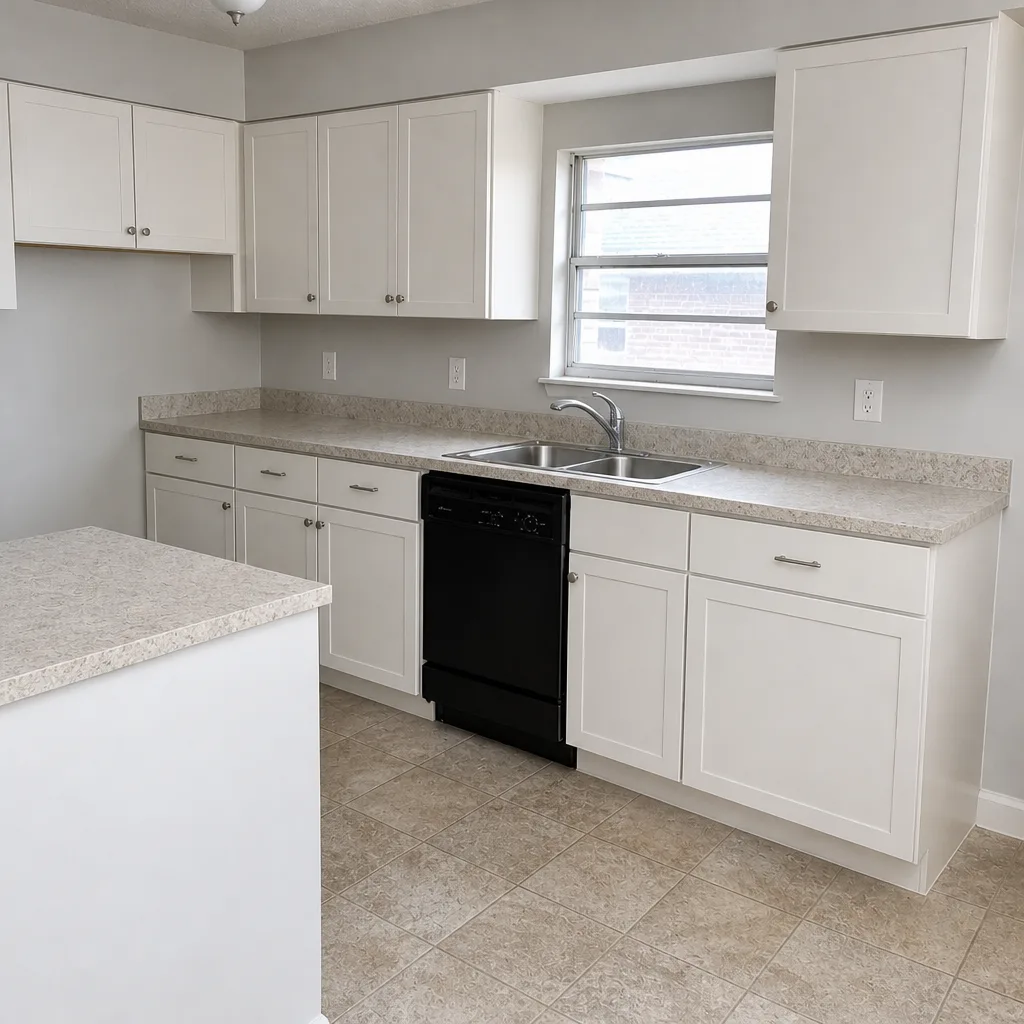
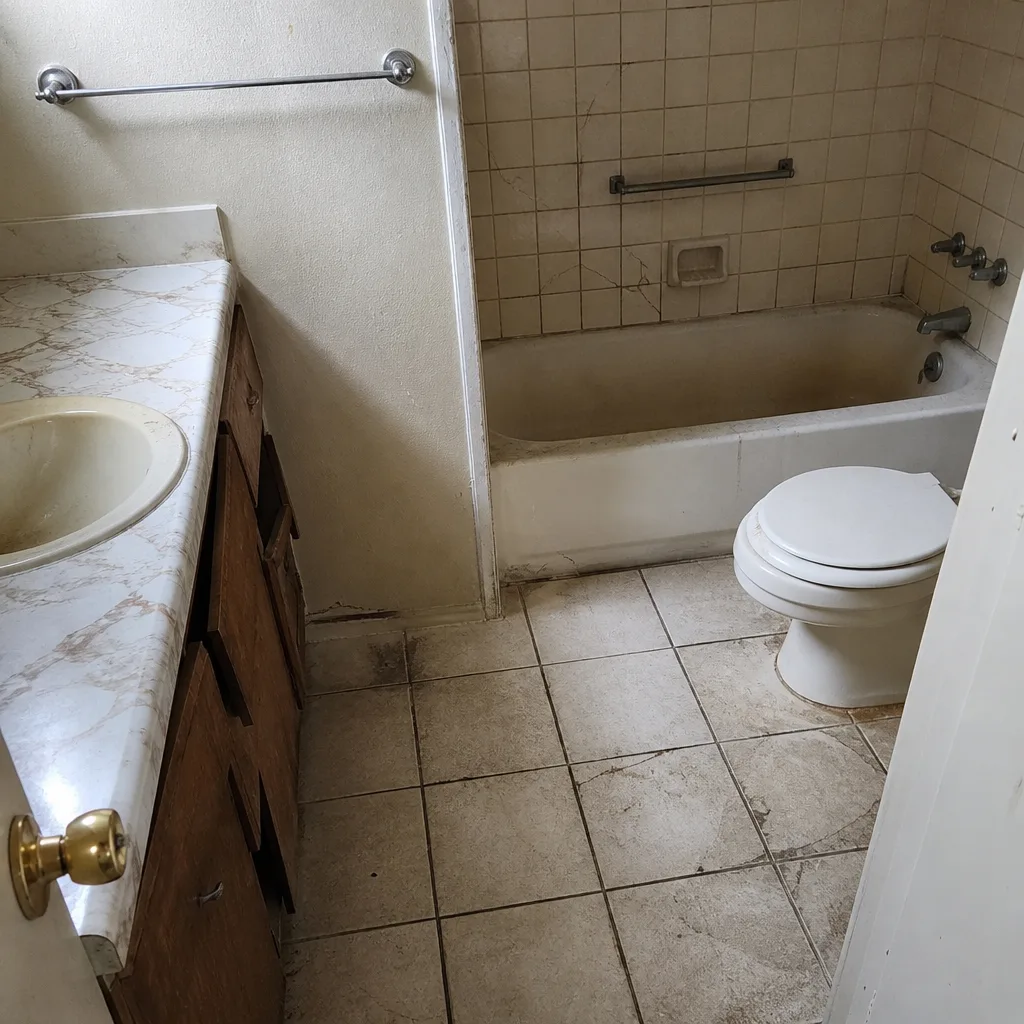
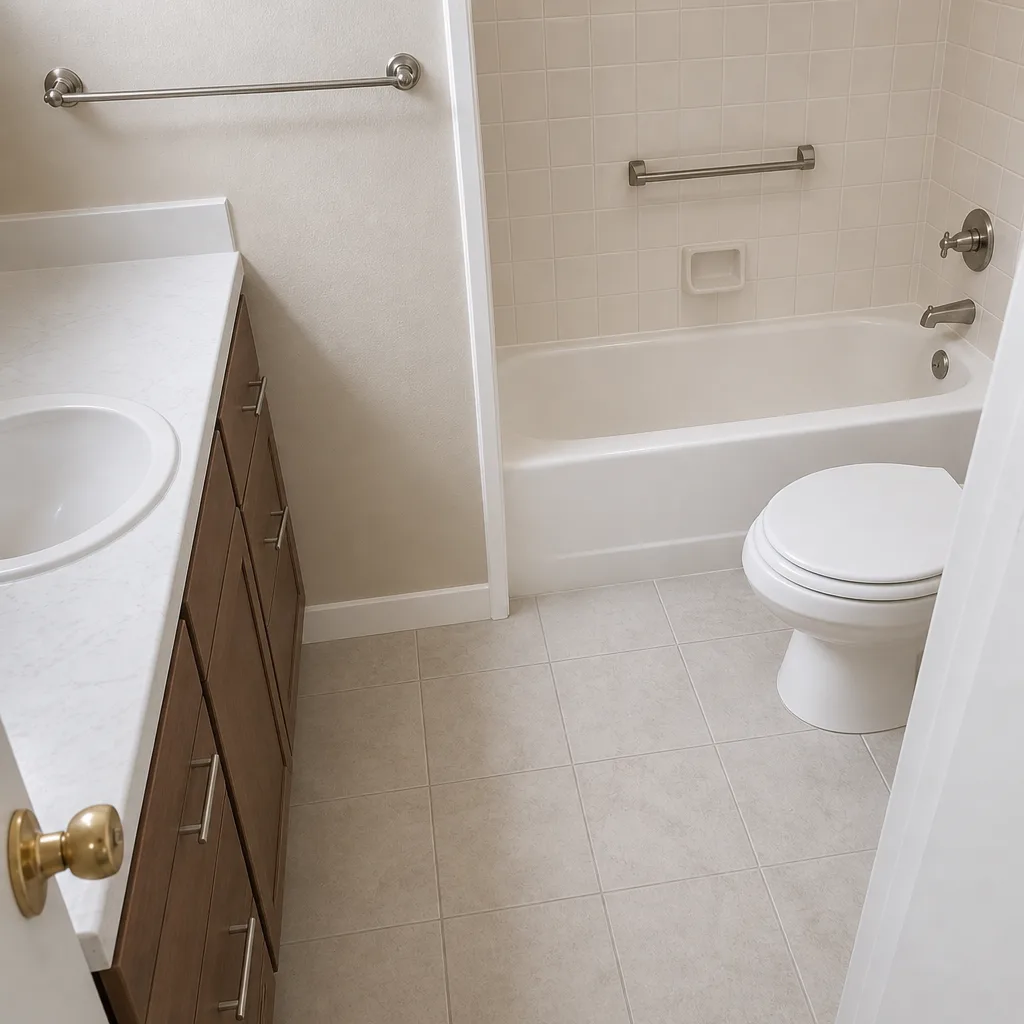
See the difference
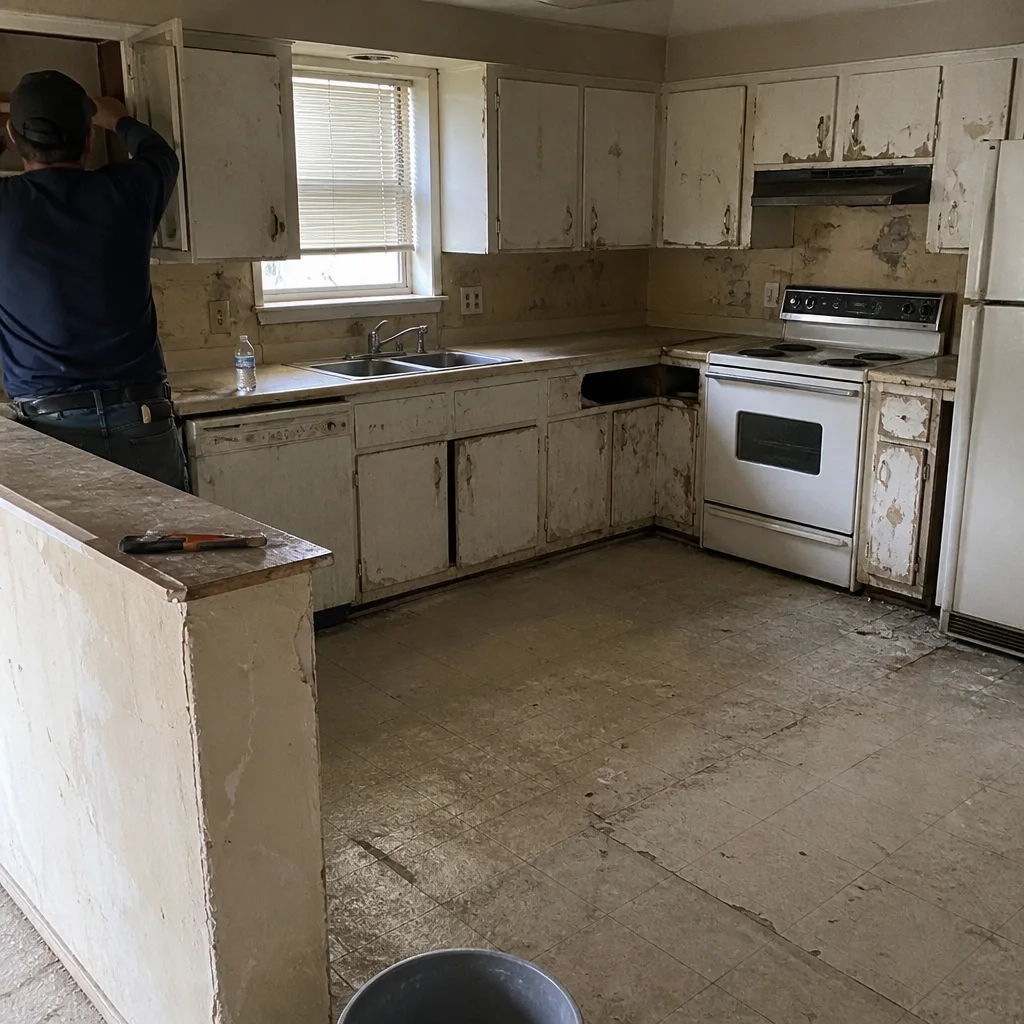 Before
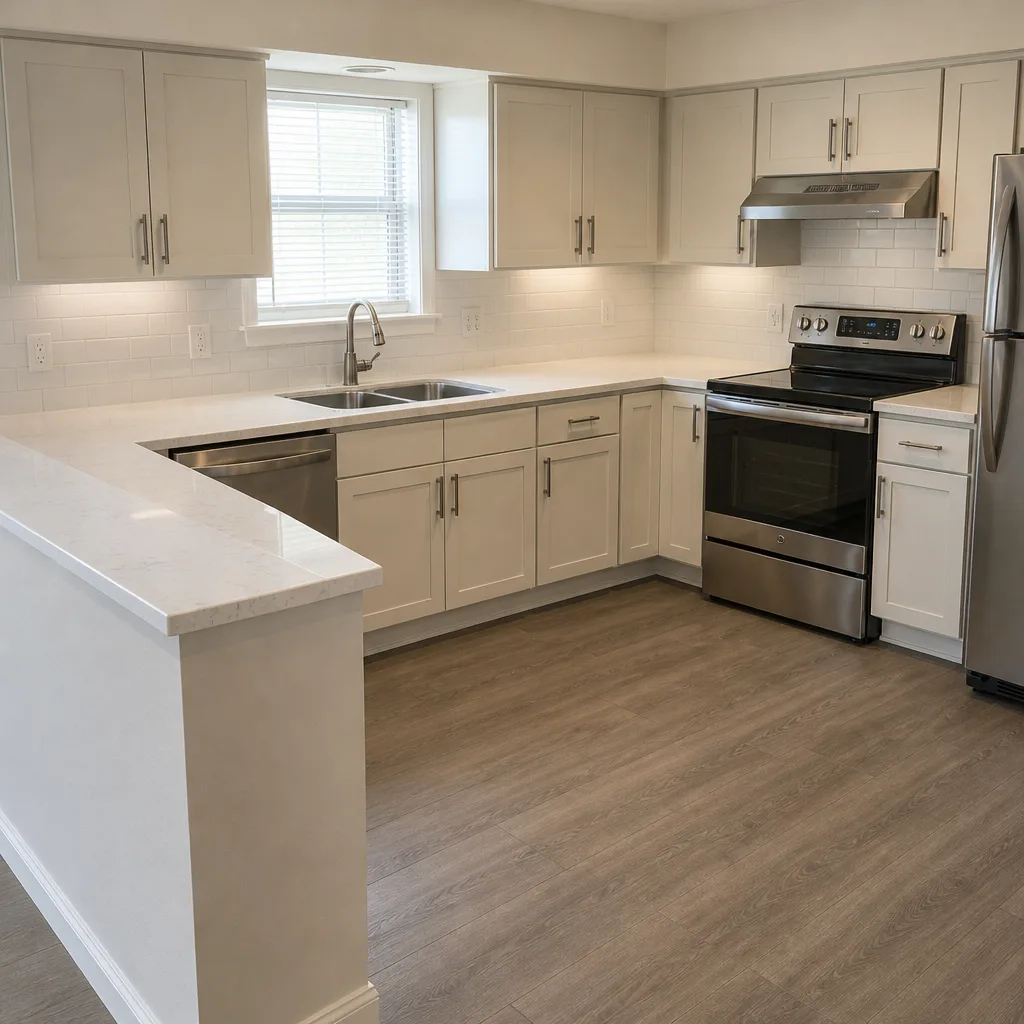 After
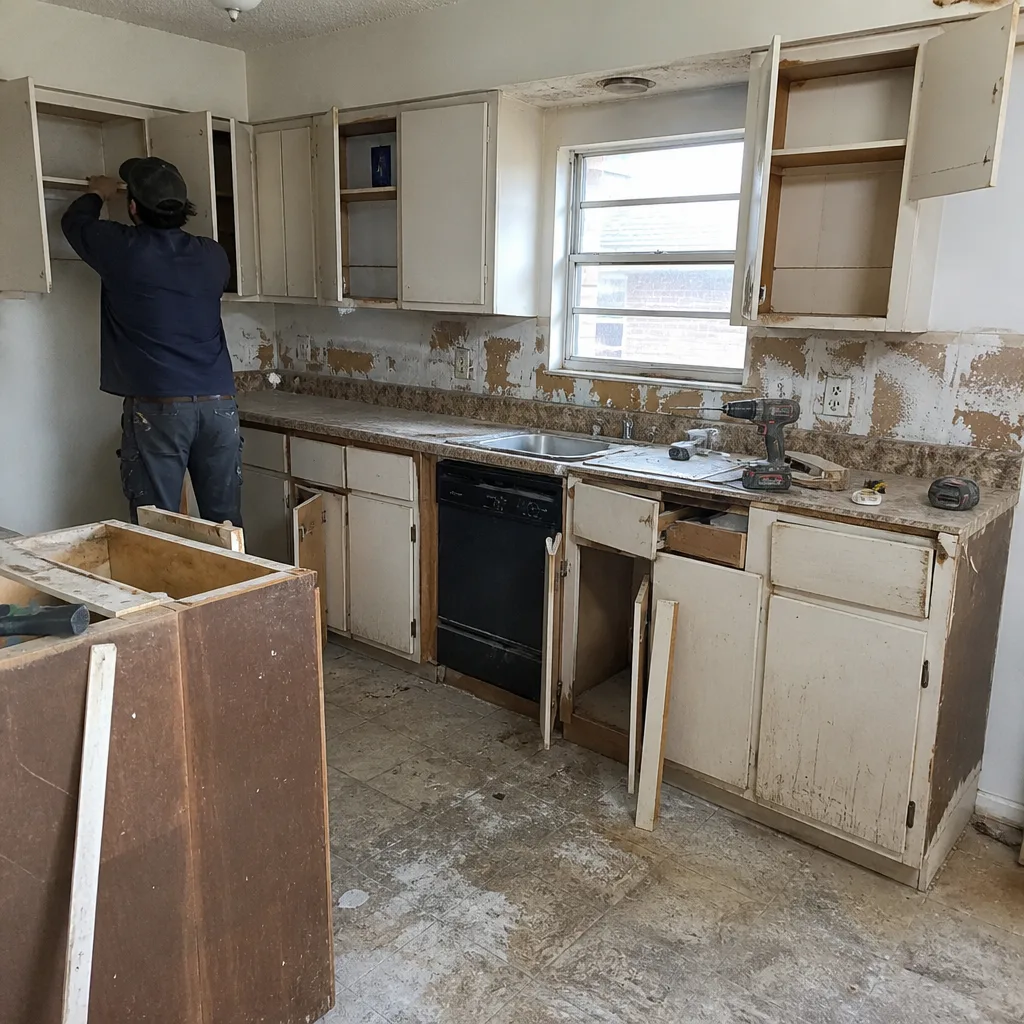 Before
 After
 Before
 After
When to Call a Professional
Call a professional when the work triggers a permit, touches a system that requires an inspection, or carries insurance language you don’t fully understand. That’s the honest line. In practice that means any structural, electrical, gas, HVAC, roofing, or envelope work, and any bathroom or kitchen project that moves plumbing or electrical in a way the code inspector will want to see. It also means any project where a construction manager arrangement doesn’t appeal to you – because running the subs yourself on a permit you own is a lot of coordination for a homeowner holding down a job. Bradford Remodeling Co McKinney offers free estimates in McKinney – call (844) 834-0609. Every project gets a written price before any work starts, backed by The Garrison Standard, and every completed project carries the 365-Day Done Right Promise: if the work doesn’t hold within a full year, we come back and correct it at no charge.
Frequently Asked Questions
In Texas, a homeowner can legally do any work on their own home without a contractor, but they cannot legally skip the permits that work requires – so the practical answer is that cosmetic, non-permitted, non-structural work is genuinely yours to run. Paint, trim, flooring over existing subfloor, cabinet replacement, and fixture swaps on existing rough-in all fall in that category. Anything touching structural, electrical, gas, HVAC, or the building envelope needs a permit, and signing that permit as owner-builder puts the inspection liability on you. Call (844) 834-0609 if you’re unsure which side of that line your project sits on – estimates are free.
It can, especially if the failure traces back to the unpermitted work itself. Homeowner’s insurance is structured to pay for sudden accidental damage, not damage from work a reasonable inspection would have caught. Adjusters do look for permit history on the failed system, and electrical, gas, HVAC, water heater, and roof claims are the ones where the denial risk is highest. Call (844) 834-0609 and we’ll walk through whether a project needs a permit before you start.
It means you’re declaring yourself the contractor of record for the job, and you’re accepting legal responsibility for the inspections, the code compliance, and the liability exposure on the site. You schedule the inspections, you pay the reinspection fees if the work fails, and the permit history attaches to the property address – not to a licensed company. If you sell within a year, you’re required to disclose it, and the buyer’s lender may require proof the work was inspected. For a written scope and price on permitted work in McKinney, call (844) 834-0609.
Yes, and it’s a legitimate arrangement – the fee covers sequencing advice, inspection support, and a professional eye on the trades you’re running. The contract has to spell out whether it’s inspection-only or inspection-plus-supervision, who signs the inspections, and how warranty and insurance liability split between you, the GC, and each sub. Without those clauses in writing, the arrangement doesn’t actually protect you. Bradford Remodeling Co McKinney offers free estimates and written scopes – call (844) 834-0609.
The quick test is whether the work moves a drain, a supply line, an electrical circuit, or a gas line. If it does, expect a permit and a rough-in inspection. Cosmetic cabinet replacement where plumbing and electrical stay put usually does not. When the scope is ambiguous, our Kitchen Remodeling in McKinney guide walks the line-item by line-item, and you can call (844) 834-0609 for a free read on your specific project.
DIY is cheaper on paper for cosmetic-only bathrooms; on any bathroom that moves plumbing or electrical it usually isn’t, once permit corrections and rework are counted. A failed rough-in inspection typically adds 8-15% to the total project cost in rework and delay, and unpermitted work can create a resale problem when the buyer’s lender asks for inspection records. Bradford Remodeling gives a written price before any work starts, so you can compare the real numbers – call (844) 834-0609 for a free estimate.
The Bottom Line

The DIY-versus-hire decision in Texas isn’t a skill test. It’s a permit-and-liability test. Cosmetic work is genuinely yours – paint, trim, flooring, cabinet swap, fixture replacements on existing rough-in. Any project that opens a permit, touches electrical, gas, HVAC, structural, or the building envelope puts inspection liability on your name and your home’s title, and the resale consequences can outlast the project by years. If you want to stay hands-on without carrying all of that, a construction manager arrangement in writing is a real middle path. If you want a written price and a full-year guarantee behind the work, Bradford Remodeling Co McKinney offers free estimates – call (844) 834-0609.
Written by the team at Bradford Remodeling Co McKinney.