Last updated November 18, 2026








Free written scope consultation - allowances, timeline, and change-order rules on paper before a single trade is scheduled
Construction Permits, Codes & Inspections in TX: What You Need to Know
Here’s the thing most homeowners get wrong before their first remodel: there is no such thing as “Texas code.” Texas adopts the International Residential Code as a model, then hands it to roughly 1,200 municipalities, and every one of them amends it to suit its own market, climate, and politics. A permit package that sails through in Frisco can get rejected in McKinney over a mechanical setback rule buried on page 40 of the local amendments. We’ve watched that exact scenario cost a homeowner six weeks and a re-inspection fee. This guide walks the legal chain of authority from the IRC down to your HOA’s deed restrictions, explains which permit types McKinney homeowners most often pull wrong, and shows you what an inspector actually checks at each stage.
Quick Answer
In Texas, construction permits are issued by the city, not the state, and each city amends the International Residential Code independently. For a McKinney project, you need a permit from the city’s Development Services department for most structural, mechanical, electrical, and plumbing work, plus a separate sign-off if your HOA has deed restrictions. The city’s adopted code edition and local amendments are published on the McKinney Development Services portal, and your contractor is responsible for knowing them before the first inspection.
Styles & brands we work with
- Kitchen remodeling
- Bathroom remodeling
- Home additions & ADU
- Roofing
- Windows & doors
- Driveway & pavers
- Fence
Table of Contents
- The Legal Chain of Authority: IRC, Texas, McKinney, HOA
- What McKinney’s Local Amendments Actually Change
- Permit Types McKinney Homeowners Most Often Pull Wrong
- What a McKinney Inspection Checks at Each Stage
- How to Look Up McKinney’s Current Adopted Code Edition
- The Homeowner-Builder Exemption and Its Resale Risk
- North Texas Climate and Code: Why It Matters
- Common Mistakes to Avoid
The Legal Chain of Authority: IRC, Texas, McKinney, HOA
Most homeowners picture a single rulebook called “the building code.” The reality is four layers stacked on top of each other, and understanding how they interact is the difference between a clean permit and a failed inspection.
The bottom layer is the International Residential Code, published by the International Code Council. Texas doesn’t adopt the IRC as binding state law; it adopts it as a model, then the Texas Legislature and the Texas Department of Licensing and Regulation layer on state amendments through the Texas Administrative Code. Those state amendments cover things like windstorm requirements along the Gulf Coast and energy provisions in certain jurisdictions.
The third layer is where things get interesting. The City of McKinney adopts its own edition of the IRC, then amends it locally. Those amendments are legally binding on any work inside city limits, and they change the specifics that matter to your project: mechanical equipment clearances, energy code provisions, and setback rules that don’t appear in the base IRC.
The fourth layer is your HOA’s deed restrictions. These are private contracts, not code, but they can be stricter than the city. A fence height that passes McKinney inspection may still violate your HOA’s architectural guidelines.
Here’s the conflict rule: city code wins over the IRC base, and state amendments win over city adoption where the state has reserved authority (usually windstorm and energy). HOAs can never be less strict than code, but they can absolutely be more. When in doubt, the stricter rule applies. For general contracting work in McKinney, this layer cake is the first thing we map before we ever pull a permit – you can see how that process works on our General Contractor in McKinney page.
What McKinney’s Local Amendments Actually Change
McKinney’s amendments aren’t small. Two areas come up repeatedly in our experience across Collin County projects.
Energy code provisions. McKinney has adopted amendments to the energy chapter that affect insulation R-values, window U-factors, and duct sealing in ways that are stricter than the base IRC edition. If your remodel touches the building envelope – new windows, adding a room, converting a garage – the energy inspector will look for specific numbers on your submitted plans, not just “meets code.” That’s why we specify brands with documented manufacturer specs like CGI and PGT on window packages: the spec sheet goes straight into the permit submittal and the inspector can verify it without guesswork.
Mechanical setback rules. The clearances required between HVAC equipment and property lines, windows, and adjacent structures vary across North Texas cities. A placement that passes in Plano may fail in McKinney. Mechanical equipment also has to meet clearance rules for the fire separation between garage and living space, which is where a lot of garage conversions get caught.
Other amendments to know:
- Fence height and setback rules specific to corner lots, which differ from interior lots
- Swimming pool barrier requirements that exceed the base IRC
- Specific inspections required for any work within floodplain zones, which apply in low-lying areas near Wilson Creek and the east fork of the Trinity
- Storm shelter and safe-room provisions for new construction (not remodels)
The frustrating part is that many contractors don’t read the current amendments. They pull the IRC base edition, submit plans that “look right,” then get kicked back at plan review. We’ve seen this add three to five weeks to a kitchen timeline that should have been nine weeks start to finish. If a contractor can’t tell you which edition McKinney is currently enforcing, that’s a red flag worth heeding.
Permit Types McKinney Homeowners Most Often Pull Wrong
The biggest source of permit trouble is a language problem. Texas code distinguishes between a “repair,” an “alteration,” and new construction, and the line between them decides whether you need a permit at all.
A repair restores something to its prior condition. Replacing a broken cabinet door, re-caulking a shower, or swapping a faucet of the same size and type typically doesn’t require a permit. A repair may still require a permit if it’s electrical, plumbing, or mechanical in scope.
An alteration changes the configuration or function of a system. Relocating a sink, moving a wall, adding a circuit, changing the rough-in layout – all of these trigger a permit even if the square footage is small. A homeowner who thinks they’re redoing a bathroom “cosmetically” often crosses into alteration the moment they move the toilet flange six inches left.
The permit types McKinney homeowners most often pull wrong:
- Bathroom remodel permits. Treated as cosmetic when they’re actually a multi-trade alteration involving plumbing, electrical, and mechanical rough-in. That’s a full permitted project.
- Garage conversions. Often submitted as a “storage room” when the work actually converts conditioned space, triggering egress window requirements, energy code compliance, and fire separation details.
- Deck additions. Submitted as “repair” when extending an existing deck requires a new structural permit and footing inspection.
- Fence replacements. Homeowners pull one fence permit for a full perimeter when the city requires the permit to specify location, height, and corner-lot setbacks.
- Water heater replacements. A like-for-like replacement usually requires a plumbing permit and inspection, depending on current amendments. Homeowners frequently skip this and get caught at resale.
- Whole-home remodels. Submitted as a series of individual permits when the scope actually runs across multiple trades and should be filed as a coordinated package.
Each misapplication leads to re-inspection fees and, worse, an inspector ordering work uncovered. Our own crews see this most often in whole-home and kitchen projects, which is why our Kitchen Remodeling in McKinney process starts by classifying the work before we submit anything.
What a McKinney Inspection Checks at Each Stage
Every McKinney permit gets inspected in sequence, and each inspection unlocks the next phase of work. Missing one holds the whole project.
- Foundation / pre-pour inspection. The inspector verifies footing depth, reinforcement placement, and forms before concrete is poured. For a slab-on-grade home, this is the one inspection you cannot redo without demolition.
- Rough-in inspection. Electrical, plumbing, and mechanical systems are checked before drywall covers them. Conduit runs, wire gauge, plumbing slope, and HVAC duct sizing all get verified. This is the inspection that catches most contractor-cutting-corners problems.
- Framing inspection. Headers, joist hangers, fire blocking, and window header sizes are all checked against the submitted plans. Wind-bracing (relevant across North Texas tornado season) is verified here.
- Final inspection. All systems operating, cover plates installed, energy compliance verified with documentation, and every previous failure corrected. The final certificate of occupancy depends on this passing.
What a failed inspection actually costs you depends on the stage. A failed rough-in costs you a re-inspection fee (typically $75 to $200 in North Texas markets) and a two to five day delay for the re-inspection slot. A failed foundation inspection can cost two weeks and significant material. A failed final inspection delays your certificate of occupancy, which for a rental property means lost rent.
Contractor payment is rarely tied directly to inspection outcomes, but it should be. In our projects, the inspection sign-off is a written milestone in the contract – the crew doesn’t get paid for a phase until the inspector has signed off on it. That’s part of The Garrison Standard, and it’s the kind of thing that should be in any contract before work starts.
How to Look Up McKinney’s Current Adopted Code Edition
You don’t need to guess which code edition McKinney is enforcing. The city publishes it and the effort to find it is smaller than the effort to fix a rejection.
- Go to the City of McKinney’s Development Services page. Bookmark it. Every permit application, fee schedule, and amendment package lives here.
- Find the “Building Codes” or “Adopted Codes” section. The current adopted IRC edition and the local amendment document are both published. Read the amendment document, not just the base edition.
- Check the amendment effective date. Codes get revised every few years, and if you’re looking at an older amendment document, your planning is already off. The date appears on the cover page.
- Use the permit search portal. McKinney’s online permit search lets you look up permits on your address and see the inspection history. If you’re buying a home, this is how you verify prior permits were pulled and closed.
- Call Development Services directly. A five minute phone call settles questions the website can’t answer. The counter staff are quick and plain-spoken; they’d rather answer a question than process a rejected submittal.
This is also the step that separates a disciplined contractor from a careless one. Before we submit any kitchen or whole-home permit in McKinney, we’ve read the current amendment document and cross-checked our plans against it. A written price and a written scope don’t mean much if the plan itself gets rejected at intake.
The Homeowner-Builder Exemption and Its Resale Risk
Texas has a homeowner-builder provision that allows a homeowner to pull a permit for work on their own primary residence, in most cities, without holding a contractor’s license. The Texas Real Estate Commission recognizes homeowners as exempt from contractor licensing on their own homes.
That exemption is more dangerous than it looks. Here’s what you’re actually taking on:
- Full liability. You become the “contractor of record” for the permit. If an inspection fails, if a worker gets hurt, if a subcontractor doesn’t get paid – that’s your exposure.
- Workmanship risk with no warranty. A licensed contractor carries insurance and often warrants their work. You don’t, and your homeowner’s policy usually excludes construction defects and unpermitted work.
- Resale complications. The Texas Property Code requires disclosure of known defects, including unpermitted work. If you sell within a few years and the buyer’s inspector finds unpermitted structural work, you can be forced to permit retroactively or face litigation.
- Insurance denial. If a fire or water event traces back to work you pulled on your own, most homeowner’s insurance carriers will decline coverage or subrogate against you.
The homeowner-builder exemption is genuinely useful for small repair work – a fence replacement, a shed, a garage reorganization. For anything structural, mechanical, plumbing, or electrical, the risk to your title and your wallet runs far higher than the permit fee you saved. If you’re pulling your own permit for a real remodel, get a construction attorney’s read on the exposure before you sign the application.
North Texas Climate and Code: Why It Matters
Code isn’t abstract in McKinney. The amendments here exist partly because of the climate, and the failure modes we see in local homes trace back to it.
Expansive clay soil. The blackland clay that runs through Collin County swells and shrinks dramatically with moisture. Foundation inspection requirements here include specific reinforcement patterns and post-tension cable placement that wouldn’t apply in, say, sandy East Texas soil. When a McKinney homeowner skips the foundation inspection – for a slab extension, a room addition, or a converted garage – the cracks show up years later and the cause traces back to unreinforced footings.
Hail and wind. The 2023 hail season and the tornado activity in 2024 reminded every North Texas homeowner that roof and structural systems get stressed. Tamko and Boral products appear in McKinney roof replacements specifically because the manufacturer’s specs meet the wind uplift and impact requirements that the local inspector verifies. A roof that passes code in Lubbock may fail in McKinney.
Summer heat loads. The energy code amendments McKinney has adopted reflect the reality of 100 degree summers and cooling loads that dominate the year. Insulation, window U-factors, and duct sealing all get inspected against numbers that exist because of this climate.
Floodplain exposure. Properties near Wilson Creek or the Trinity forks may require additional elevation certificates and floodplain development permits before any structural work can be permitted. That’s a separate review process from the building permit and it adds time.
These aren’t hypothetical. In our experience on McKinney projects, the inspections that get failed most often are the ones where a contractor applied a generic North Texas plan without reading the local amendment that this climate motivated.
Common Mistakes to Avoid
- Treating “Texas code” as one thing. Every municipality amends independently. A permit package that worked in Frisco doesn’t automatically work in McKinney. Ask your contractor which edition McKinney is currently enforcing and watch their answer.
- Calling an alteration a repair. Moving a sink, adding a circuit, or relocating a toilet flange is alteration work. Filing it as repair is what triggers the failed inspection halfway through the project.
- Skipping the pre-pour foundation inspection. This is the one inspection you can never redo without demolition. Nothing else on the project should proceed until the foundation inspection has been signed off.
- Not verifying the contractor pulls permits in McKinney. A contractor licensed in Plano or Frisco still has to be registered with the City of McKinney to pull permits here. Homeowners get burned by this every year.
- Assuming the HOA is the final word. HOA architectural review is not a substitute for the city permit. You need both, and they operate independently.
- Letting the contractor pay for the permit out of the project budget. The permit fee is a line item on your written contract, not folded into overhead. If it isn’t a line item, ask why.
- Failing to verify prior permits on a home you’re buying. The McKinney permit search portal will show you whether previous additions, decks, and fences were permitted and inspected. A five minute check has saved more than one of our clients from a five figure surprise.
See the difference
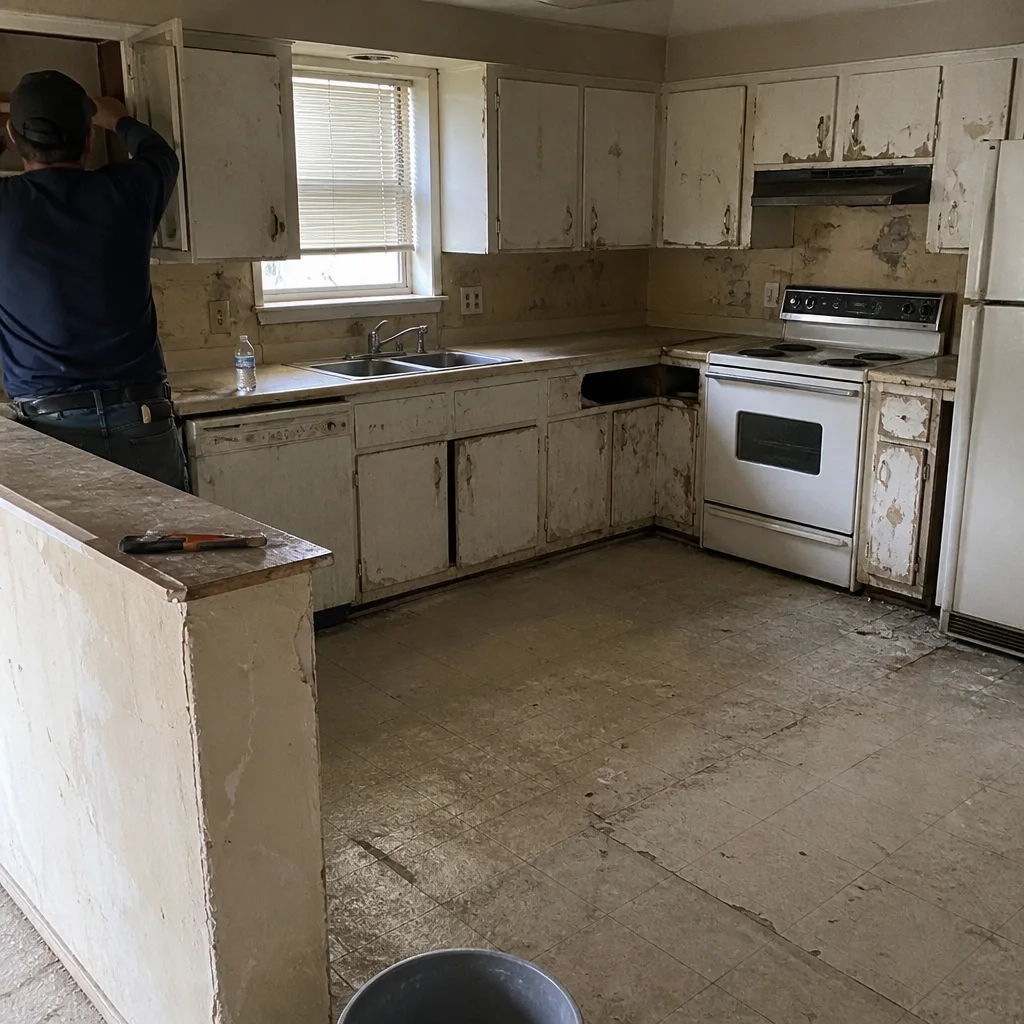 Before
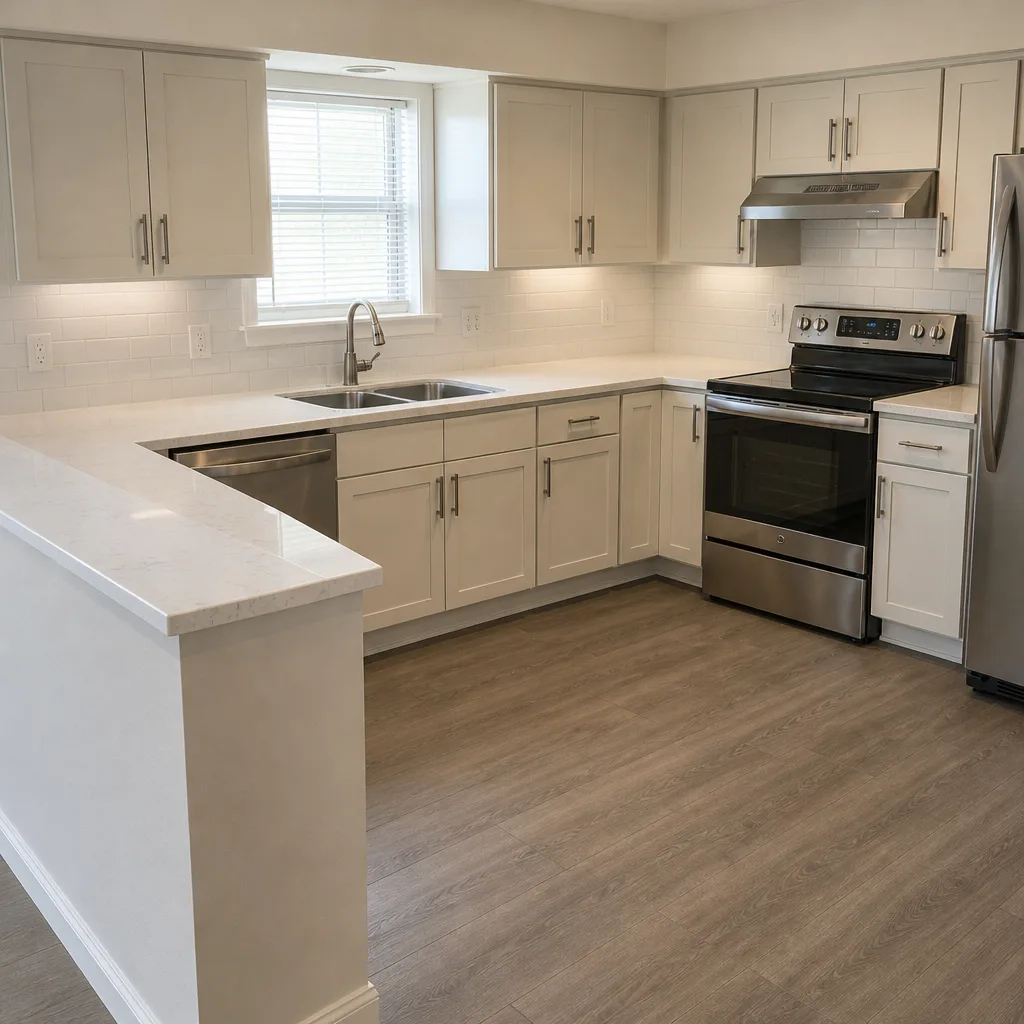 After
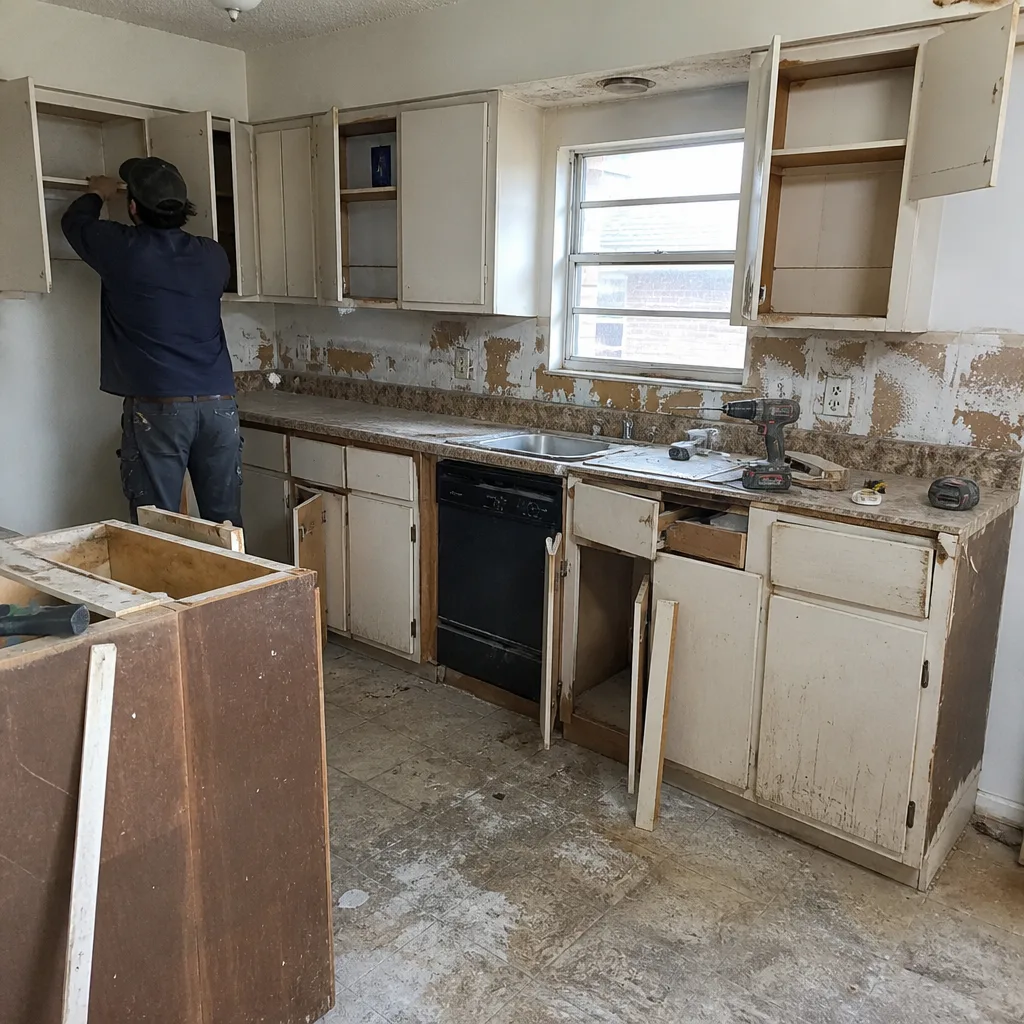 Before
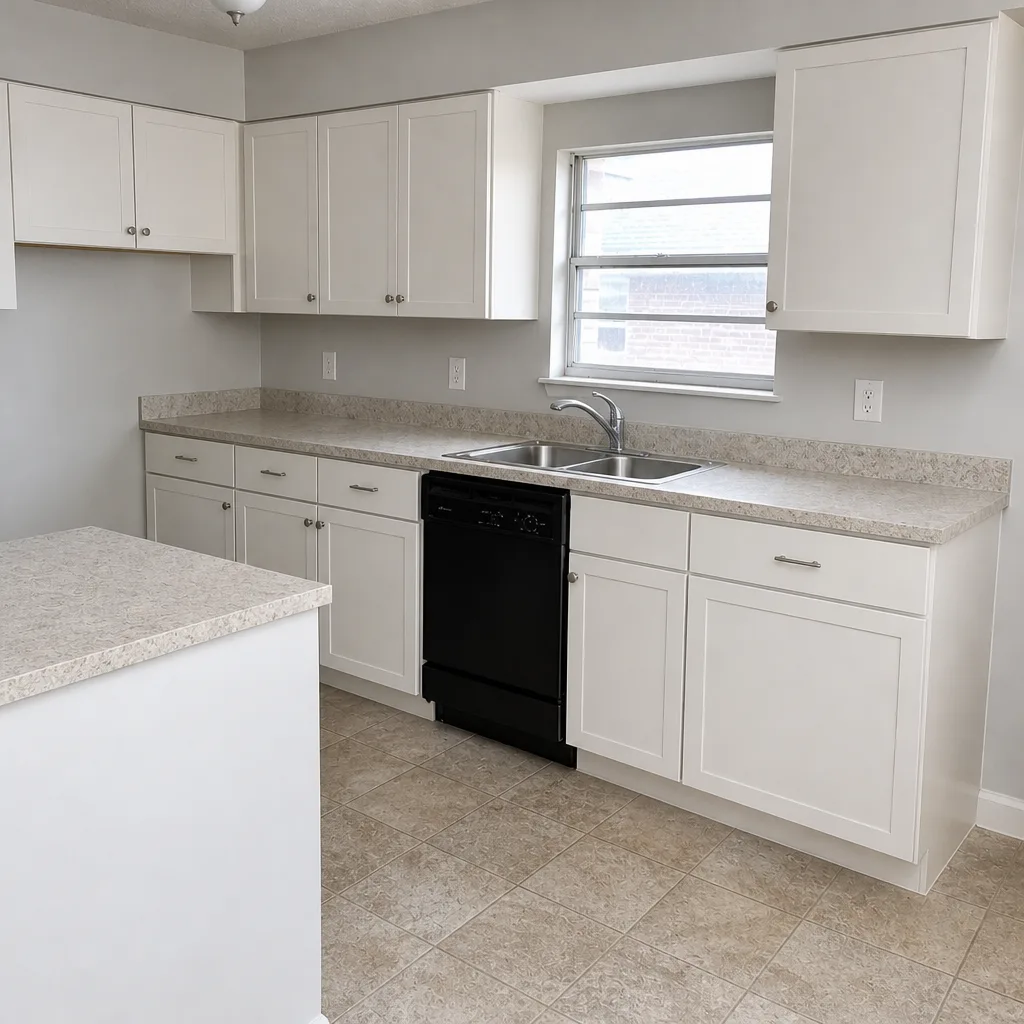 After
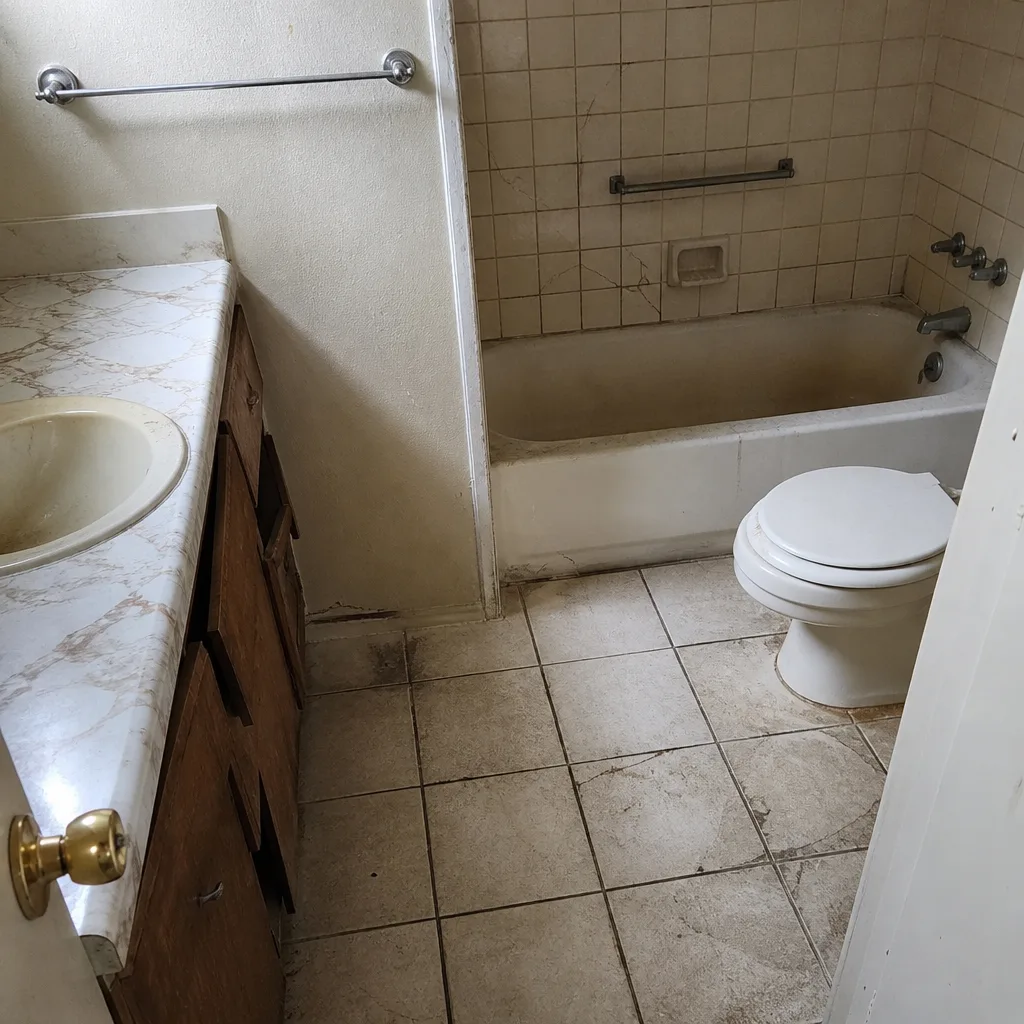 Before
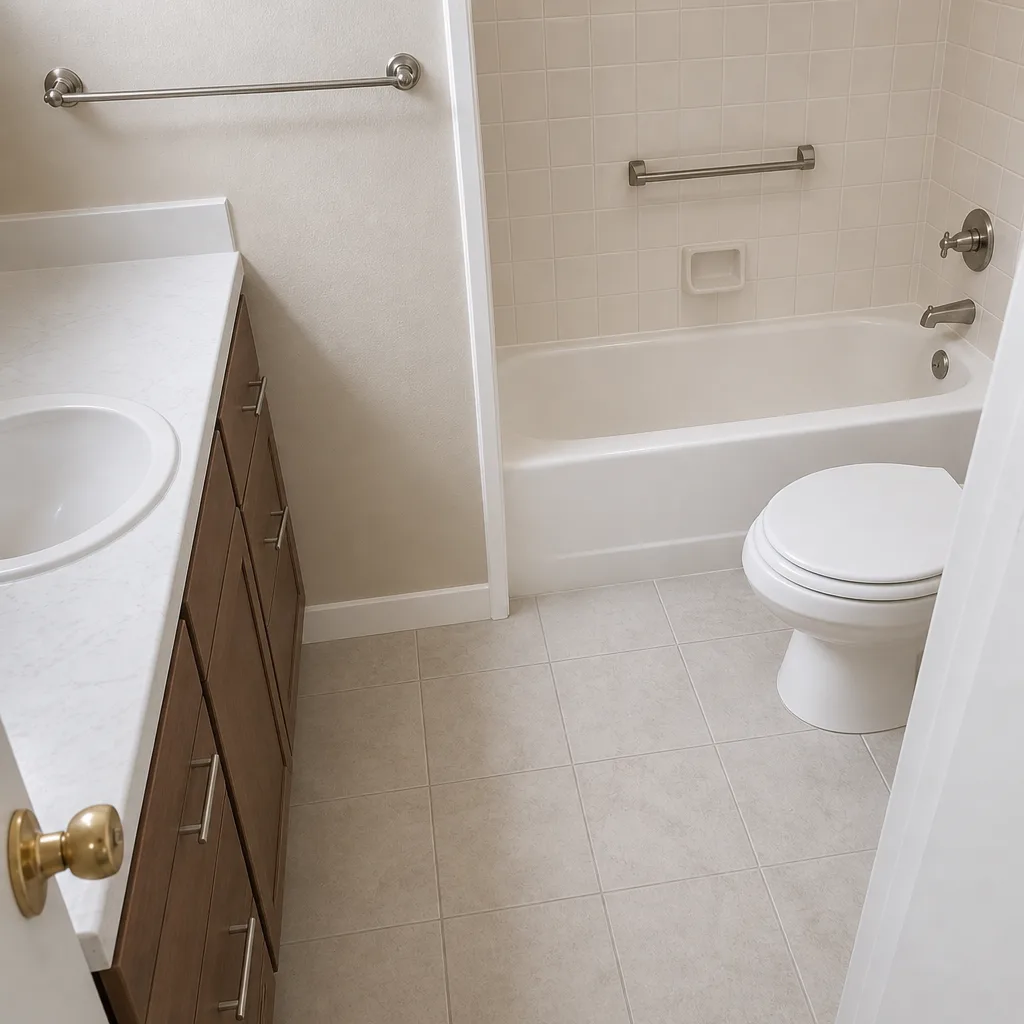 After
When to Call a Professional
Some permit work is genuinely DIY territory. Pulling your own fence permit, replacing a water heater of the same size and type, or handling a simple garage reorganization are all manageable. But when the scope crosses into structural, mechanical, plumbing, or electrical alteration, the discipline of the permit process matters more than the paperwork. That’s when to bring in a licensed contractor: when the project touches the building envelope, when it requires more than one inspection stage, when the scope crosses multiple trades, or when the local amendment document has provisions you don’t recognize. For a McKinney kitchen or whole-home project, the layered permit structure means a licensed contractor who knows the current amendments is not optional. Bradford Remodeling Co McKinney offers free estimates in McKinney – call (844) 834-0609 to schedule yours and walk through the permit scope with a crew that reads the actual amendment document.
Frequently Asked Questions

Yes, in nearly every case. A bathroom remodel generally crosses into alteration territory because it involves plumbing rough-in, electrical work, and mechanical ventilation. Even a “cosmetic” bathroom refresh often requires a permit the moment a fixture is relocated or a circuit is added. Call (844) 834-0609 for a free estimate on a properly permitted McKinney bathroom project.
Fees vary by project valuation and permit type, typically running a small percentage of the total project cost, with plan review fees added on top. The City of McKinney’s Development Services page publishes the current fee schedule, and a reputable contractor will list the permit cost as a line item on your written contract, not fold it into overhead. Call (844) 834-0609 for a free estimate that shows the permit cost as a separate line.
Yes, Texas allows homeowners to pull permits on their own primary residence under the homeowner-builder exemption in most municipalities. What that exemption doesn’t tell you is the liability it transfers: you become the contractor of record, you carry the workmanship warranty, and you can create title problems on resale if the work fails inspection or is found unpermitted later. For anything structural or multi-trade, working with a licensed contractor is the safer call.
A failed inspection triggers a re-inspection fee, typically $75 to $200 in North Texas markets, and a two to five day delay for the next available inspection slot. The specific correction required depends on the stage: a failed rough-in means correcting and re-inspecting electrical or plumbing before drywall, while a failed final inspection delays your certificate of occupancy. A disciplined contractor builds inspection milestones into the contract so payment is tied to the inspector’s sign-off.
Yes. Both cities adopt the IRC as a base, but each amends independently. McKinney’s energy code provisions and mechanical setback rules differ from Frisco’s in ways that matter for plan review. A permit package that sailed through in Frisco can be rejected at McKinney intake. This is why a contractor who works across North Texas has to read each city’s current amendment document before submitting.
Generally, no. Most homeowner’s policies exclude construction defects and unpermitted work, and if a fire or water event traces back to work that wasn’t permitted, the carrier may decline the claim outright. The Texas Property Code also requires disclosure of known defects at resale, which means unpermitted work becomes a title issue. Working with a contractor who pulls permits properly protects your coverage and your resale value.
The Bottom Line
Texas code isn’t one code. It’s a stacked system – IRC base, state amendments, McKinney’s local amendments, then HOA deed restrictions – and the stricter layer wins. For a McKinney homeowner, that means the permit that worked in Frisco won’t necessarily work here. The two things that keep a project clean are straightforward: read the city’s current adopted amendments before you submit, and keep the permit and inspection sign-offs as written line items in your contract. Bradford Remodeling Co McKinney builds that discipline into every McKinney project through The Garrison Standard, with a written price before work starts and the 365-Day Done Right Promise on every completed job. You can see how our whole-home and addition work runs through the permit process on our Bathroom Remodeling in McKinney page, and start from our Bradford Remodeling Co McKinney home page if you’re planning a larger remodel. Call (844) 834-0609 for a free estimate – we’ll walk through the permit scope, the inspection stages, and the written price before you sign anything.
Written by the team at Bradford Remodeling Co McKinney.