Last updated November 18, 2026



Free written scope consultation - allowances, timeline, and change-order rules on paper before a single trade is scheduled
DIY vs Professional Bathroom Remodeling: What’s Safe to Do Yourself
In Texas, a homeowner can legally swing a demo hammer, hang drywall, and paint the final coat. Almost everything in between that touches water supply, drain lines, or an electrical circuit is a different story. That gap isn’t about your skill level. It’s about where state licensing law draws the line, and what happens to your homeowner’s insurance policy when you cross it without a license. This guide lays out exactly what you can safely and legally handle yourself, what you can’t, and how to weigh the real savings against the real liability – written from our vantage point as a McKinney remodeling contractor who has walked into plenty of half-finished bathrooms.
Quick Answer
Safe DIY work in a bathroom remodel is limited to demolition (with the utilities already shut off), painting, finish hardware, and swapping a vanity top that already has the plumbing in place. Anything involving new or moved plumbing lines, drain work, electrical circuits, or exhaust ventilation requires a licensed plumber, electrician, or HVAC technician under Texas law. Doing licensed work yourself can void your homeowner’s insurance coverage on a resulting claim and create a permit problem that surfaces when you sell the house.
Styles & brands we work with
- Kitchen remodeling
- Bathroom remodeling
- Home additions & ADU
- Roofing
- Windows & doors
- Driveway & pavers
- Fence
Table of Contents
- What Texas Law Actually Lets You Do Yourself
- The Insurance Angle Most Homeowners Miss
- The DIY Tasks That Genuinely Pay Off
- Where DIY Becomes a Licensed-Trade Job
- Why Inspections Are a Quality Checkpoint, Not Red Tape
- How Much Do You Really Save? A Cost-Benefit Framework
- How Unpermitted Work Shows Up at Resale
- Common Mistakes to Avoid
What Texas Law Actually Lets You Do Yourself
Texas doesn’t license general contractors at the state level, and it doesn’t require a permit for painting a wall or installing a new towel bar. But plumbing, electrical, and HVAC work each fall under their own licensing rules, and those rules are enforced through your local building department. The City of McKinney and Collin County issue permits against the Texas plumbing and electrical codes, which is where the line becomes concrete: if the job requires a permit, the trade doing the work has to be licensed to pull it.
The breakdown looks like this:
- Plumbing (water supply, drains, venting): Any new or relocated supply line, drain line, shower valve, or toilet flange placement generally requires a licensed plumber and a permit. A straight-swap of a faucet or toilet on existing connections often doesn’t.
- Electrical (circuits, outlets, switches, lighting): Adding a circuit, moving an outlet, or wiring a new vanity light or exhaust fan requires a licensed electrician and a permit. Replacing a fixture on an existing box usually doesn’t.
- HVAC (exhaust ventilation): A new or relocated bathroom exhaust fan that ties into ductwork is HVAC work and, in most McKinney cases, permitted.
- Structural (moving a wall, framing a curb): Any wall removal or structural change requires a permit and often an engineer’s sign-off.
- Tile, drywall, paint, cabinets, trim: No state license required. This is where skill determines quality and a DIYer can do very well.
Here’s the subtlety most guides skip: even when a task doesn’t require a license, it can still require a permit. And even when a task requires a permit, you’re not automatically barred from doing it yourself – but you are taking on the inspection and liability that comes with it. In McKinney subdivisions full of 1990s and early-2000s construction, we regularly find original shower pans that have been failing quietly for a decade. The homeowner who rips that out on a Saturday and re-sets it without a permit and a pan test is not saving money. They’re delaying a repair.
The Insurance Angle Most Homeowners Miss
This is the part that costs people real money and rarely gets mentioned until after the check is written. Most homeowner’s insurance policies in Texas include language that excludes coverage for damage caused by work that required a permit but wasn’t permitted, or work performed by an unlicensed contractor in a licensed trade.
Picture the scenario. A homeowner in McKinney pulls their own shower valve and re-solders the connection. They get it 95 percent right. Six months later the joint fails behind the tile and water wicks into the adjoining wall and the subfloor. The adjuster asks who did the plumbing. The claim gets denied. A real water-damage repair of that scope regularly runs into the thousands once you’re tearing out a shower and replacing wet drywall and subfloor.
The policy language varies, but the pattern is consistent: the work you do that requires a license can become a coverage problem the moment it fails. And it doesn’t stop at water damage. An unpermitted electrical addition that starts a fire in the wall is the worst case, and it’s happened in McKinney the same as anywhere. The insurer’s position isn’t that you were careless. It’s that the work was outside the policy’s definition of covered improvements.
What most homeowners never get told before they start: the permit isn’t just paper for the city. It’s the record your insurer uses to determine whether the work was done per code. Permit issued, inspection passed, record on file – the claim process goes a different way.
The DIY Tasks That Genuinely Pay Off
Not every task is a false economy. There’s a real bucket of work where a careful homeowner can save several hundred to a couple thousand dollars and not create a single liability problem. The test we use is simple: does failure of this task create a code, safety, or water intrusion problem, or is it cosmetic?
That lines up with a useful real-world breakdown:
- Demolition (with utilities shut off): Removing tile, cabinets, the old vanity, and drywall. The key safety step: confirm the water main is off, the circuit feeding the bathroom is off at the breaker and tested, and no plumbing line runs through a wall you’re about to pry off. This is where a homeowner can save a contractor’s demo labor.
- Painting: Ceiling, walls, trim. No permit. No insurance exposure. Failure means a second coat, not a claim.
- Finish hardware: Towel bars, robe hooks, mirrors, shower rods, door hardware, cabinet pulls.
- Vanity top swap: If the plumbing and drain already exist in the right place and the vanity footprint matches, swapping out an old top for a new slab is often a licensed-trade-free task. This is where we’ve seen McKinney homeowners get real value, and it’s a natural place to use Cambria or Caesarstone surfaces on a vanity you’re keeping.
- Fixture swaps on existing connections: Replacing a faucet, toilet, or showerhead on existing plumbing without moving anything.
The line here is honest. Removing the old shower and setting the new tile is DIY-able by a patient homeowner. Rebuilding the shower pan (the sloped waterproof base under the shower floor) is not – a pan that isn’t pitched correctly fails in 18 months, and the failure is invisible until the ceiling below is wet.
The upper limit is what we do most in McKinney: a bath that needs the plumbing moved for a new layout, or a gut that involves new supply lines and a new exhaust fan. At that point, do the demo yourself if you want to save a little, and let the licensed trades take over from there. That’s exactly the sequence we run through on the bathroom remodeling side.
Where DIY Becomes a Licensed-Trade Job
The list of “don’t touch this yourself” is short and specific:
- Relocating a shower valve, faucet, or toilet. New supply and drain line placement means a licensed plumber.
- Adding or moving an electrical outlet, switch, or light. A new vanity light on a new box means a licensed electrician.
- Installing an exhaust fan tied to new ductwork. HVAC scope and a permit.
- Moving a plumbing wall or changing a bathroom footprint. Plumbing plus structural plus a permit.
- Framing a new shower niche or bench, or reframing a floor for a curbless shower. Structural and waterproofing scope with an engineer or code requirement on top.
- Any work on a wall shared with your water heater or electrical panel. Don’t open that wall.
There’s a safety caveat worth stating plainly: bathroom plumbing work involves water supply under pressure and drain lines that can back up. A vanity replacement is safe. Reworking a drain that connects to the stack is not a job for anyone without the license and the insurance to carry it. If a water line is already leaking or a shutoff valve is seized, stop and call a licensed plumber before you go further. The visible damage is rarely the whole story.
For McKinney readers weighing the scope, our General Contractor in McKinney page covers how we partition the licensed trades on a project so each one pulls its own permit and passes its own inspection.
Why Inspections Are a Quality Checkpoint, Not Red Tape
The reason inspections matter is that they’re the only independent verification the work was done to the code standard. A contractor inspecting their own work is a contractor grading their own exam. The city inspector’s job is to check that the shower pan was tested, the plumbing was pressure-tested, and the electrical was wired to code. That’s it.
When the inspection passes, four things happen at once:
- The city records that the work was permitted and code-compliant.
- Your insurer has a paper trail that the work was done correctly.
- A future buyer’s inspector has something to review and can’t flag the work as unpermitted.
- You have a real test, not a verbal “looks good to me.”
Skipping the inspection isn’t a shortcut. It’s a bet that nothing will fail and nobody will ask about it. That bet has a real cost when it loses. And in McKinney, where a lot of the housing stock is now 20 to 30 years old, that’s exactly the point when plumbing and shower-pan failures start to show up.
On the projects we run, the checklist on the wall at close is signed-off permits, passed inspections, and a written guarantee in your hand. That’s the standard. You can read how we hold the line on that at the Bradford Remodeling Co McKinney page, and it applies to bathroom work the same as any other scope.
How Much Do You Really Save? A Cost-Benefit Framework
Here’s the honest math on DIY savings, laid out with real ranges for a McKinney bathroom remodel. Use the middle column to compare what you’d pay a licensed trade versus what you’d spend doing it yourself with the permit, materials, and realistic time cost included.
| Task | Licensed install (McKinney range) | DIY cost + hidden costs |
|---|---|---|
| Full plumbing rough-in (new layout) | $2,500 – $5,000 | $1,800 – $3,500 + permit + failed inspection risk |
| Shower valve replacement | $350 – $700 | $200 – $500 + insurance denial risk |
| Vanity light and outlet relocation | $400 – $900 | $250 – $600 + permit + fire risk |
| Exhaust fan install with new duct | $350 – $700 | $250 – $500 + permit + mold risk |
| Tile floor and shower (no structural) | $2,000 – $4,500 | $1,200 – $2,800 + pan failure risk |
| Demo | $500 – $1,200 | $0 – $300 in disposal + your weekend |
| Paint and finish hardware | $400 – $900 | $150 – $400 |
The saving column isn’t the whole story. Factor in these three items before you decide:
- Permit fees. In McKinney, a bath remodel permit typically runs a few hundred dollars. That’s not savings – it’s the cost of doing it correctly, and the DIY route doesn’t waive it, only hides it.
- Correction cost at resale. Unpermitted work that gets flagged by a buyer’s inspector can cost thousands to correct, or a price concession at closing that more than wipes out the DIY savings.
- Your realistic time. A working homeowner with a full-time job is looking at weekends for six to ten weeks on a full bath. Is that the trade you actually want?
The real answer to “how much do I save” is usually a few hundred dollars on a cosmetic refresh, and a negative number on a bath that touches plumbing, electrical, or ventilation. The math doesn’t favor DIY on the licensed-trade scope.
How Unpermitted Work Shows Up at Resale
When you sell a house in McKinney or anywhere in Collin County, the buyer’s inspector doesn’t just check the roof. They check whether improvements required a permit and whether the permit record exists. A bathroom that was reworked without a permit is a disclosed defect in most cases. It’s not a paperwork problem – it’s a price concession, a request for repairs, or a stalled closing.
The typical correction path is expensive because the work has to be opened up, inspected, and closed out. If a new shower was set without an inspection, the pan may have to be torn out and rebuilt. If a new circuit was run unpermitted, the city may require the drywall opened to inspect the wiring.
We see this pattern most in the older McKinney neighborhoods where flips and DIY rehabs have happened over the years. Our Bathroom Remodeling in McKinney page covers what a correct, documented, inspected bathroom scope looks like from start to close – which is the version that shows up clean when a buyer’s inspector walks through. It’s the same approach we bring to a Kitchen Remodeling in McKinney scope, since kitchen and bath permits share the same inspection sequence.
Common Mistakes to Avoid
- Starting demo without shutting off and testing the utilities. Kill the water, kill the circuit at the breaker, and test the circuit before you open a wall. A live line behind old tile has caused real injuries in McKinney.
- Pulling a permit as the homeowner to “save the contractor markup.” In most Texas municipalities, the homeowner can pull some permits, but you become the responsible party for the inspection and the correction. The saving is small. The liability isn’t.
- Re-setting a shower pan without a flood test. The pan is pitched and waterproofed or it isn’t, and the only way to know is to fill it and let it sit. Skipping the test is how a McKinney bathroom turns into a ceiling repair on the floor below.
- Replacing a vanity without checking the drain location. Same footprint, same drain. Different footprint, new drain line, licensed plumber. We’ve seen homeowners order a Cambria or Caesarstone vanity top for a new cabinet only to find the drain is 6 inches off.
- Running a new electrical circuit on an old wire size. Old 14-gauge wire on a new bathroom code doesn’t work. The circuit either gets re-run by a licensed electrician or it fails inspection – which is the point.
- Assuming the insurance policy “probably covers it.” The unpermitted-work exclusion is standard on most Texas homeowner policies. Read it, or have your agent read it, before you start.
- Treating inspection as the enemy. Inspectors catch the things the homeowner can’t see – an improperly pitched drain, a shower pan that fails the flood test, a vented exhaust fan missing the backdraft damper. That’s free QC.
When to Call a Professional
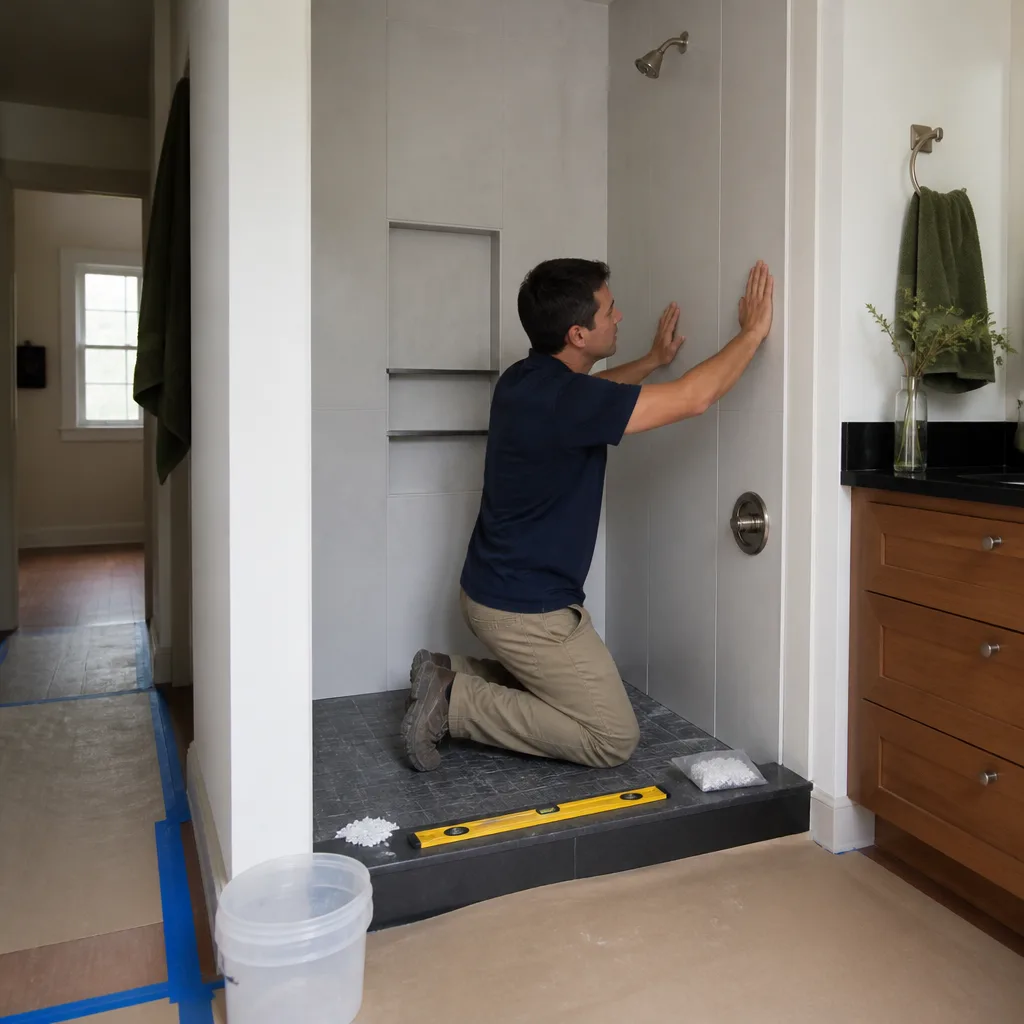
Call a licensed contractor when the scope involves any of the following: relocating a drain or supply line, adding an electrical circuit, installing or re-routing an exhaust fan, framing any structural change, or touching the shower pan. Those are the four failure points where DIY costs more than it saves – every time, not sometimes.
The moment to make the call is before demo, not after. A licensed contractor will scope the work, tell you exactly what permits are required, and price the whole job in writing – which means you’re not committing to the work, just getting the number. On a planned bathroom remodel, our estimate process runs through the full scope and the permit list so you can compare apples to apples against your own DIY plan. Bradford Remodeling Co McKinney offers free estimates in McKinney – call (844) 834-0609.
If a job turns up a water line leaking behind the wall or a shutoff valve that won’t close, that’s a stop-the-work moment. Call a licensed plumber before you go a step further. The damage from a slow leak inside a wall is not something a careful homeowner wants to discover after the tile is set.
See the difference
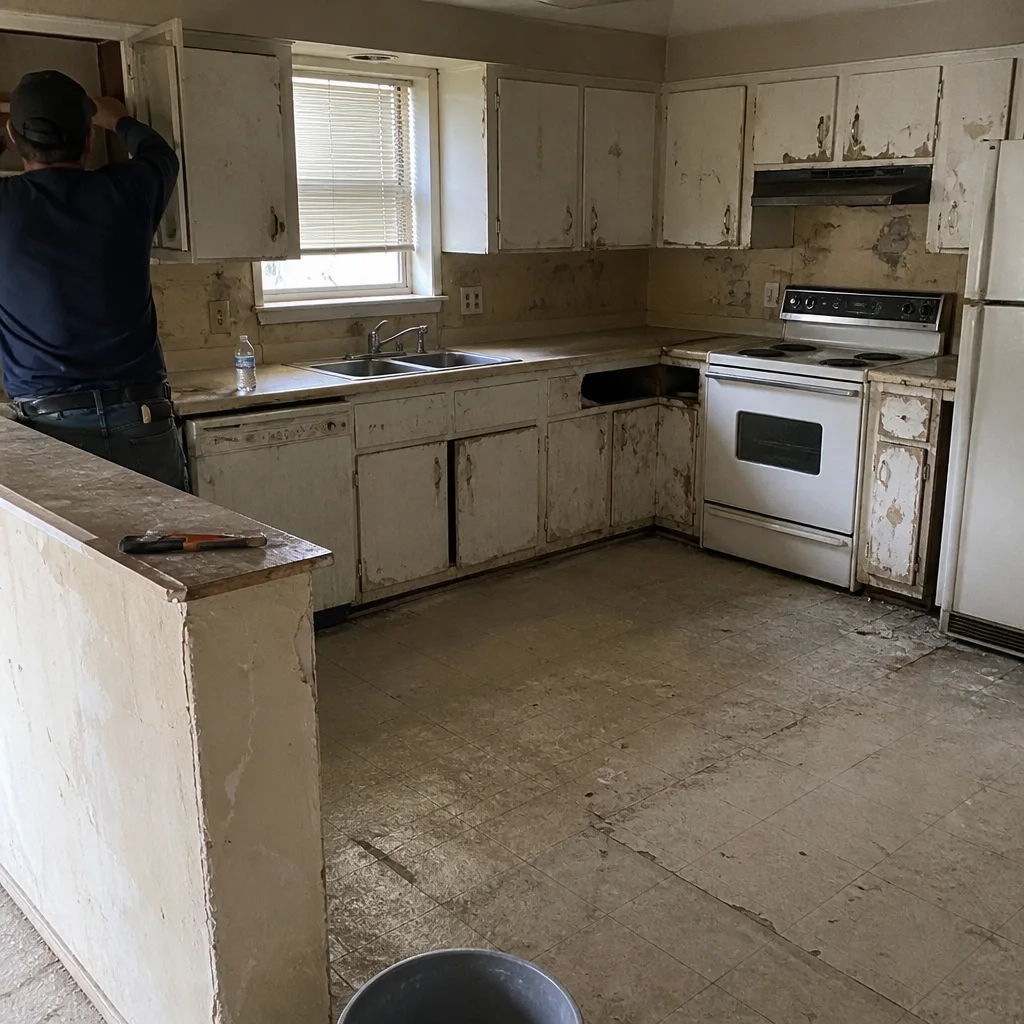 Before
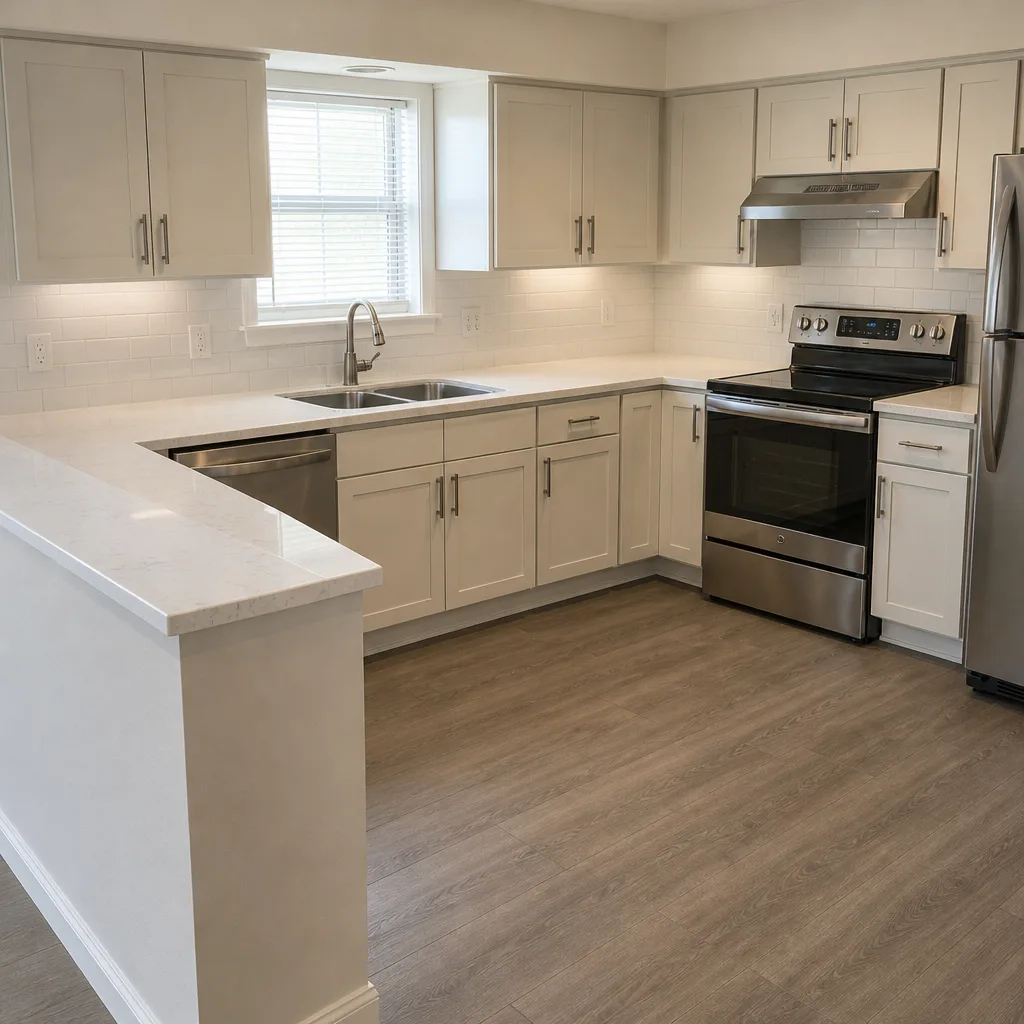 After
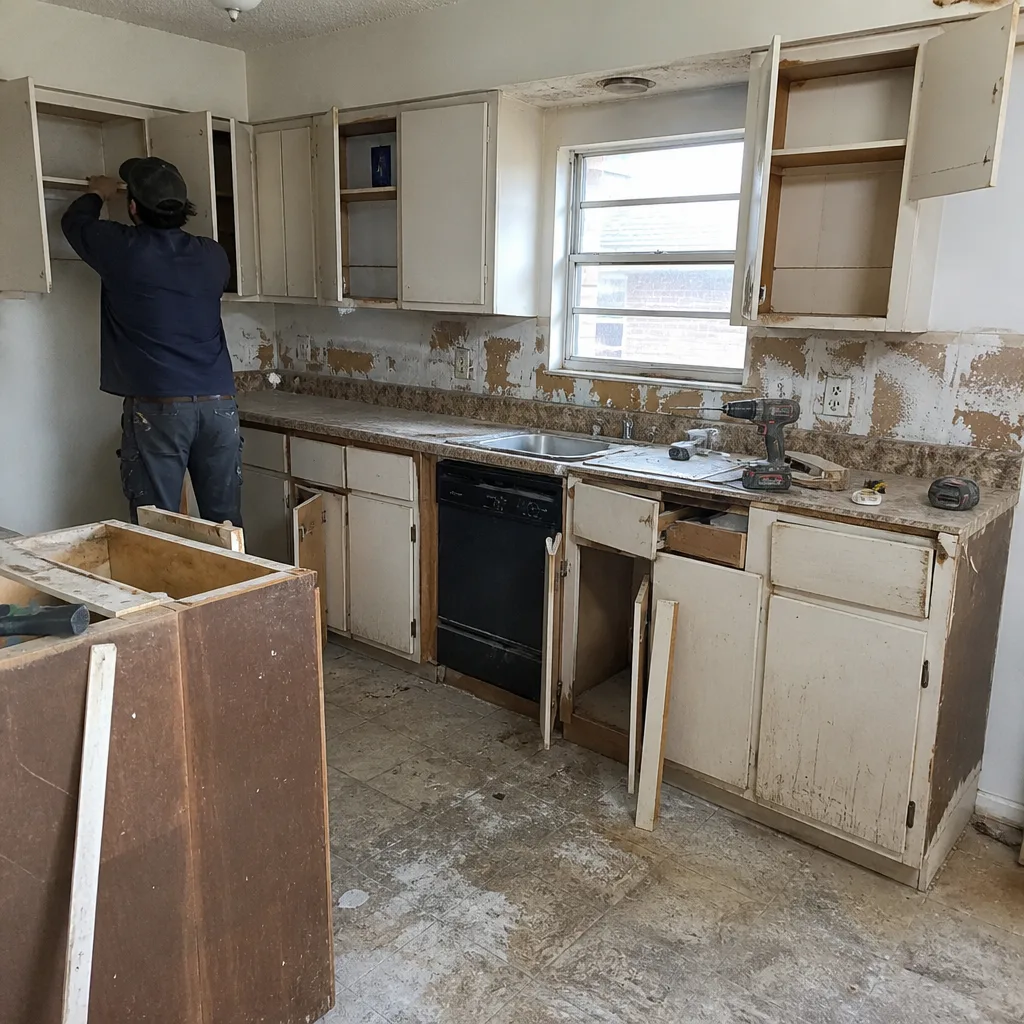 Before
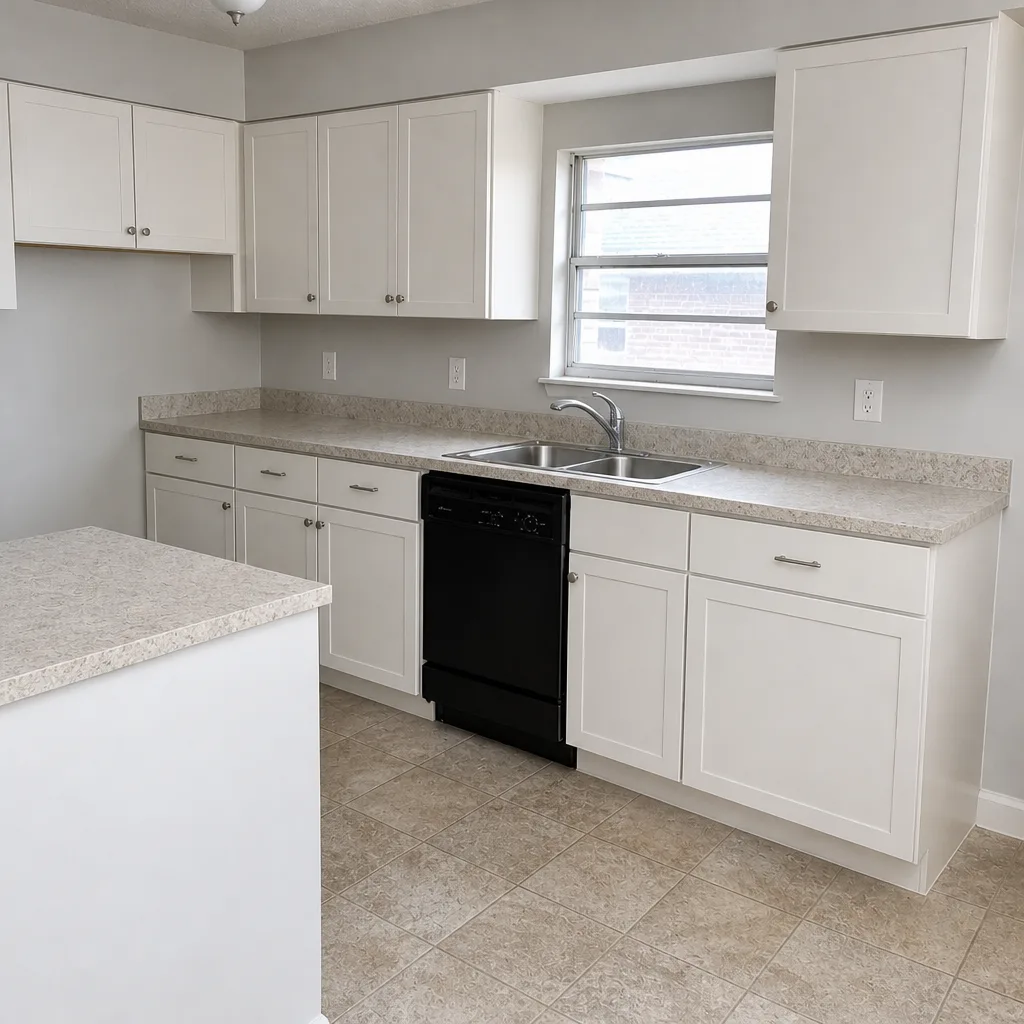 After
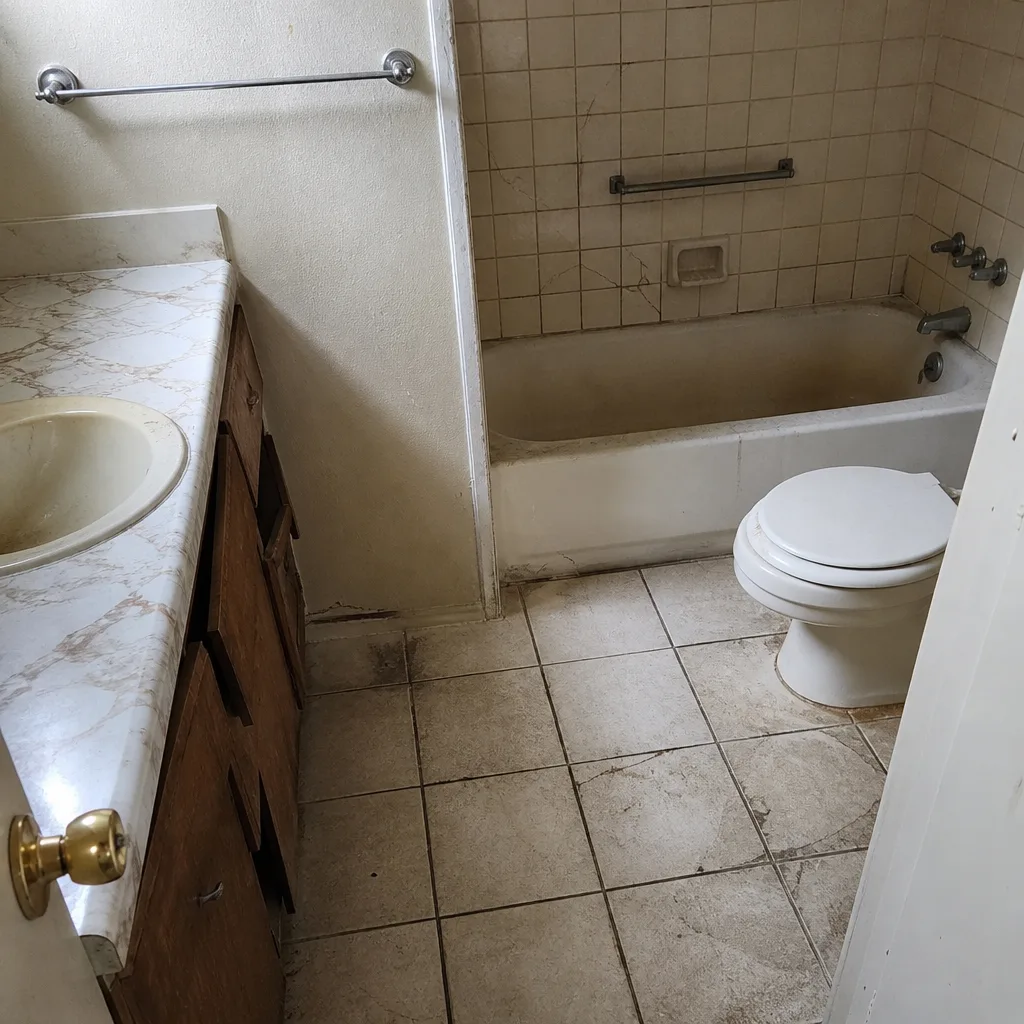 Before
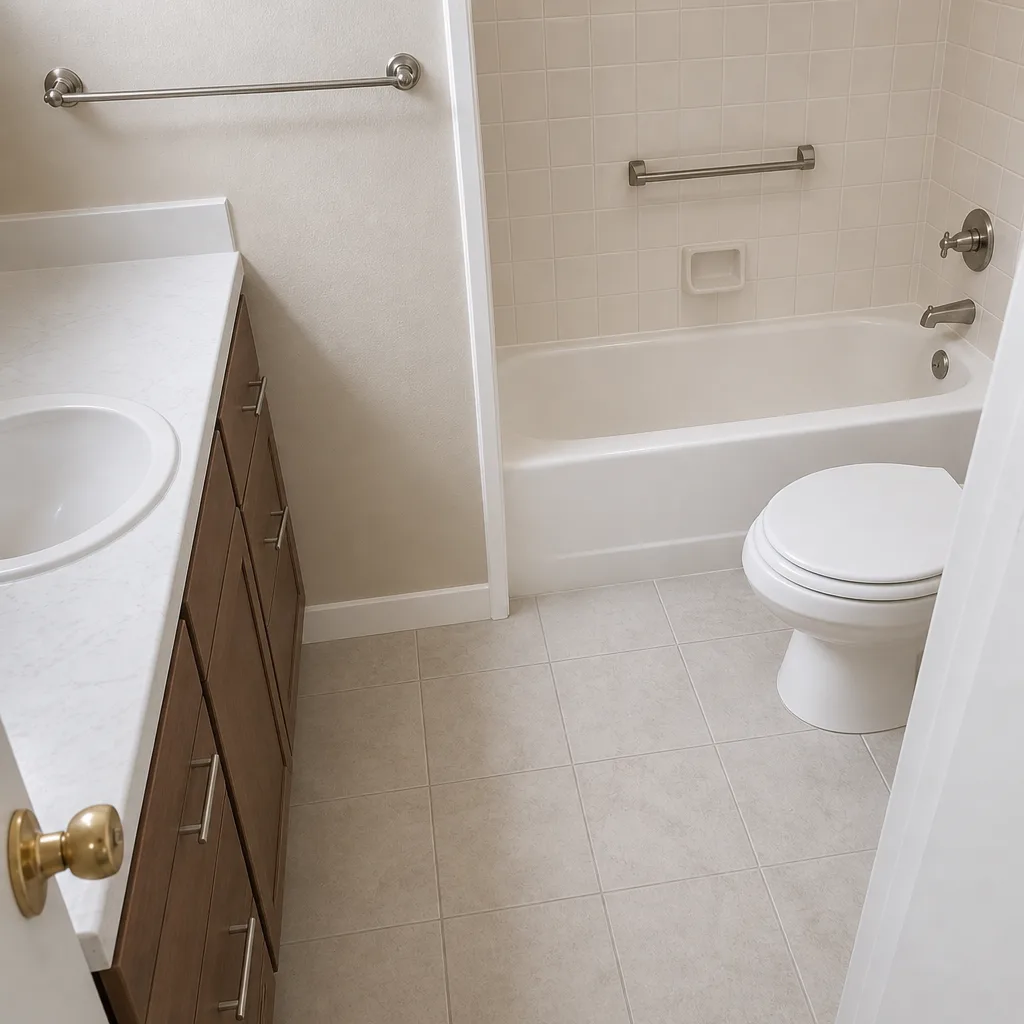 After
Frequently Asked Questions
In most cases, no – not beyond swapping a faucet, toilet, or showerhead on existing connections. Relocating supply or drain lines, re-setting a shower valve, or installing a new drain requires a licensed plumber and a permit under Texas plumbing rules enforced by the City of McKinney. Doing it yourself without a permit risks an insurance claim denial and a correction problem at resale.
The cheapest reliable path is doing safe DIY scope (demo, paint, finish hardware, and a vanity top swap on existing plumbing) and hiring licensed trades for the plumbing, electrical, and HVAC. On a typical McKinney bath, that trims several hundred to a couple thousand dollars from the total without exposing you to insurance or resale risk. Call (844) 834-0609 for an honest written range before you start.
Most Texas homeowner policies exclude damage from work that required a permit but wasn’t permitted, or from work in a licensed trade done by an unlicensed person. A DIY shower valve that fails and causes water damage is a common denial scenario. Read your policy or call your agent before you start – the exclusion is standard, and it’s not negotiable after the fact.
Yes, if the scope involves any plumbing, electrical, mechanical, or structural change. Cosmetic-only work like paint, tile on existing substrate, cabinets, and finish hardware doesn’t require a permit. When in doubt, call the City of McKinney building department with your scope before you pick up a tool – the permit fee is a few hundred dollars, and the correction cost is far more.
A cosmetic refresh runs one to two weeks. A full gut with new plumbing, electrical, exhaust, and tile typically runs four to eight weeks depending on inspection scheduling and material lead times. If you’re doing some scope yourself, add the weekend hours honestly – most homeowners underestimate the demo and drywall phases by three to four weeks.
Homeowners can pull some permits in Texas, but the permit makes you the responsible party for the inspection and the correction. The saving is small. The liability is real, especially if you’re doing the work on a licensed-trade scope. Call (844) 834-0609 and we’ll walk through which permits your scope requires.
The Bottom Line
The line between DIY and licensed work in a bathroom remodel isn’t set by your comfort level – it’s set by Texas licensing law and your homeowner’s insurance policy. Demolition, paint, finish hardware, and a vanity top swap on existing plumbing are genuinely safe DIY scope. Everything that moves a water line, adds a circuit, or ties in a new exhaust fan belongs to a licensed trade and a permit. Skipping the license saves a few hundred dollars up front and creates a correction and coverage problem that costs thousands down the line. If you’re planning a McKinney bath, get the number in writing first. Call (844) 834-0609 for a free estimate.
Contact
Bradford Remodeling Co McKinney offers free estimates on bathroom and kitchen remodels in McKinney and the surrounding area. Every project gets a written price before any work starts, background-checked, uniformed technicians on the job, calls answered by a live person 24/7, and the 365-Day Done Right Promise – if it’s not done right, we come back and correct it at no charge, in writing. Call (844) 834-0609 to schedule your free estimate.
Written by the team at Bradford Remodeling Co McKinney.