Last updated November 18, 2026








Free written scope consultation - allowances, timeline, and change-order rules on paper before a single trade is scheduled
The Complete General Contractor Guide for McKinney Homeowners
McKinney issued more than 4,200 residential building permits last year, and a large share of those projects will hit a snag that has nothing to do with lumber or labor. It’ll be the paperwork. In our experience walking McKinney homeowners through contracts, we’ve found that few ever read the indemnification clause before signing – the section that decides who pays when a subcontractor gets hurt on your property. That single paragraph can matter more than the bid number you compared for three weeks.
This guide is about contract literacy, not just vetting. You’ll learn what a McKinney building permit costs and who’s legally on the hook for pulling it, how lump-sum and cost-plus contracts behave when material prices swing, and which insurance certificates to demand before you sign anything. Read it before you sign, not after.
Quick Answer
To hire a general contractor in McKinney, verify three things before signing: that the contractor – not you – is pulling the building permit, that they carry general liability and workers’ comp insurance with certificates naming you as additionally insured, and that the contract spells out a fixed price and payment schedule in writing. In Texas, a “general contractor” isn’t a licensed trade like an electrician or plumber; it’s a business that coordinates trades and holds the contract, which is exactly why the paperwork is your main protection.
Styles & brands we work with
- Kitchen remodeling
- Bathroom remodeling
- Home additions & ADU
- Roofing
- Windows & doors
- Driveway & pavers
- Fence
Table of Contents
- What a McKinney Building Permit Costs and Who Pulls It
- Lump-Sum vs. Cost-Plus: Which Contract Protects You
- How Collin County Inspections Work
- What “General Contractor” Legally Means in Texas
- The Insurance Certificates to Request Before Signing
- How to Vet a Contractor in McKinney
- Common Mistakes to Avoid
- Frequently Asked Questions
What a McKinney Building Permit Costs and Who Pulls It
In McKinney, residential building permit fees are typically calculated on project valuation, and for a mid-size remodel you can expect to pay somewhere in the range of a few hundred to just over two thousand dollars depending on scope. A kitchen remodel with structural changes sits at the higher end; a cosmetic refresh with no framing or mechanical work may not need a permit at all. The city’s fee schedule is public, so ask your contractor to show you the line item.
Here’s the part homeowners miss. When a contractor pulls the permit, the contractor is legally the “permit holder” and carries the responsibility for the work matching the approved plans. When a homeowner pulls their own permit – which some GCs quietly encourage to save their own paperwork – the homeowner becomes the responsible party. If an inspector flags a framing error, the correction order lands on you, not the contractor. In Collin County, that shift in liability is real and it’s expensive.
A by-the-book contractor pulls the permit in their own name, posts it on-site, and hands you a copy. Ask directly: “Whose name will be on the permit?” If the answer is “yours,” ask why. We’ve seen unpermitted deck additions and garage conversions in older McKinney neighborhoods near the historic downtown square come back to bite sellers during resale inspections – buyers’ agents now routinely check permit history through the city’s online portal.
What to confirm in writing:
- The contractor’s name appears as permit holder on the application.
- Permit fees are itemized in the contract, not folded into a vague “allowances” line.
- The contractor schedules inspections, not you.
- You receive a copy of the closed-out permit at project completion.
For a broader look at how a full-service GC handles this from start to finish, see our page on the General Contractor in McKinney.
Lump-Sum vs. Cost-Plus: Which Contract Protects You
These are the two contract structures you’ll see in McKinney, and they behave very differently when material prices move.
A lump-sum contract states a fixed total price for a defined scope. If lumber climbs 12% between signing and framing, the contractor eats that difference – which is why a careful GC builds a modest contingency into the number. For you, the risk is scope gaps: if the contract doesn’t list it, it isn’t covered, and a change order adds cost. Read the scope line by line.
A cost-plus contract pays the contractor for actual materials and labor plus an agreed markup – often 10% to 20%. It’s transparent and flexible during design changes, but it means every price increase passes to you. In a market where framing lumber and cabinetry lead times can swing, cost-plus transfers the price risk to the homeowner.
Which protects you better? For most McKinney homeowners doing a defined remodel, a lump-sum contract with a clear scope and a written change-order process is the safer structure. You know your number before work starts. That’s the principle behind the written price we put on every project before a single tool comes out – no numbers that move at the door.
Whichever structure you choose, the contract should include:
- Itemized scope of work, room by room, with named materials and brands.
- A payment schedule tied to milestones, not to calendar dates.
- A written change-order process with a signed approval before extra work begins.
- A start date and a substantial completion date.
- A warranty term spelled out in writing.
If you’re combining kitchen and bath work into one scope, read our Kitchen Remodeling in McKinney guide and our piece on Bathroom Remodeling in McKinney before you sign – each one explains the scope details that trip up lump-sum contracts.
How Collin County Inspections Work
McKinney building inspections run on a scheduled basis through the city’s development services department, and a well-run GC builds them into the project calendar rather than calling them in at the last minute. Most residential remodels pass through a predictable sequence: foundation or framing, rough-in (plumbing, electrical, HVAC before walls close), insulation, and a final inspection. Each stage requires a separate sign-off, and inspection delays are one of the most common reasons a two-month job stretches to three.
Here’s what a disciplined GC should hand you after every passed inspection:
- The inspection report with the inspector’s pass notation and date.
- A photo record of the rough-in before drywall goes up.
- Any correction notices, and confirmation those corrections were re-inspected.
In older McKinney homes – especially the pre-1990 stock near the historic square and in established neighborhoods off Virginia Parkway – inspectors frequently flag aluminum wiring connections, undersized electrical panels, and original cast-iron drain lines. A GC who’s worked in McKinney for years knows these flags are coming and budget for them. A GC who hasn’t will bill them to you as surprises mid-project.
Ask two questions before signing: “Who schedules inspections?” and “Can I see a project where you handled McKinney inspections start to finish?” The answer tells you whether you’re dealing with a coordinator or a paper pusher.
What “General Contractor” Legally Means in Texas
This is the single biggest source of confusion for McKinney homeowners. Texas doesn’t license general contractors the way it licenses electricians, plumbers, or HVAC technicians. There is no state GC license. What exists is a business entity that holds the contract, coordinates specialty trades, and carries the insurance and accountability for the whole job.
That distinction matters. A specialty trade contractor holds a specific license for a specific scope – electrical, plumbing, or HVAC – and is legally responsible for that work alone. A general contractor is the party responsible for the project as a whole, including coordinating those licensed trades and making sure their work passes inspection.
Why this matters for liability: if an unlicensed electrician working under your GC wires a panel wrong and causes a fire, the GC’s insurance should respond – if the GC carries the right coverage. If there’s no GC and you hired the electrician directly, you’re exposed. Texas law doesn’t shield you just because you paid someone to do the work.
What to look for instead of a GC license:
- A registered business entity with the Texas Secretary of State.
- Proof of general liability insurance and workers’ comp.
- References from McKinney or Collin County jobs you can actually call.
- Written contracts and warranties – the contract does the work a license would.
The trade-off for homeowners is obvious: no state license means the paperwork and insurance are your protection. Which is why we put our guarantee in writing – and why a written price before work starts, and the 365-Day Done Right Promise on every completed project, aren’t optional extras.
The Insurance Certificates to Request Before Signing
Before you sign anything, ask for three certificates. Not promises – certificates. A legitimate McKinney GC will email them within a day.
General liability (GL) insurance covers third-party injury and property damage – a worker who damages your neighbor’s fence, or a visitor injured on your site. Ask for a certificate naming you as additionally insured for the duration of the project. That way, if something goes wrong, you’re on the policy.
Workers’ compensation covers a worker injured on your property. This is the one tied to the indemnification clause. If a subcontractor’s employee is hurt on your property and there’s no workers’ comp coverage, the injury claim can come back to you as the property owner. The indemnification clause in your contract should state that the contractor holds you harmless from such claims – but a clause is only as good as the insurance behind it.
Builder’s risk insurance covers the structure and materials during construction – fire, theft, weather damage to an unfinished build. Not every remodel needs it, but any project involving major structural work should.
Match the certificate to the business name on the contract. A certificate issued to a different entity than the one you’re signing with is a red flag, not an oversight. This is exactly why background-checked, uniformed technicians and a documented roster of name-brand materials – KraftMaid and Wellborn cabinetry, Cambria and Caesarstone surfaces, Kohler and Moen fixtures, GAF and James Hardie exteriors, Therma-Tru doors – matter. When specifications are traceable, so is responsibility.
How to Vet a Contractor in McKinney
Most vetting failures happen in a single conversation. You ask two questions, get smooth answers, and sign. Here’s the actual sequence that works:
- Ask whose name goes on the permit. If it’s yours, walk.
- Ask for the three insurance certificates and verify the business name matches the contract.
- Ask for two McKinney references from the last twelve months and call both.
- Ask to see a written contract template before you commit – a real GC will send it.
- Ask what happens if material prices jump mid-project. The answer reveals the contract structure.
- Ask who answers the phone at 7 p.m. A voicemail queue is a preview of how the job will go.
Then read the contract. Specifically, read the indemnification clause, the change-order process, and the warranty term. If a term is unclear, get it explained in writing before you sign. That’s the whole game.
A final note on local context: McKinney’s clay-heavy soils and hot summers put stress on foundations and exteriors in ways that show up during remodels. A GC who’s worked here knows to check the slab before they quote a kitchen. For a look at how a full project comes together from a McKinney perspective, see our Bradford Remodeling Co McKinney home page.
Common Mistakes to Avoid
- Signing a contract you haven’t read in full. The indemnification clause and change-order process are buried in the fine print. Read them first, not last.
- Letting the contractor put the permit in your name. In McKinney, that shifts legal responsibility for code compliance onto you. Insist the permit is in the GC’s name.
- Accepting a verbal price. A number given at the door isn’t a price. Get it in writing before any work begins.
- Skipping the insurance certificate. A certificate that names a different entity than the contract is a warning sign, not paperwork noise.
- Choosing cost-plus because it “sounds more honest.” Cost-plus passes material price swings to you. For a defined McKinney remodel, a lump-sum contract with a clear scope usually protects you better.
- Ignoring Collin County inspection flags in older McKinney homes. Aluminum wiring, undersized panels, and cast-iron drains show up in pre-1990 stock. Budget for them upfront.
- Hiring on the lowest bid alone. The lowest number is often the thinnest scope. Compare line items, not totals.
See the difference
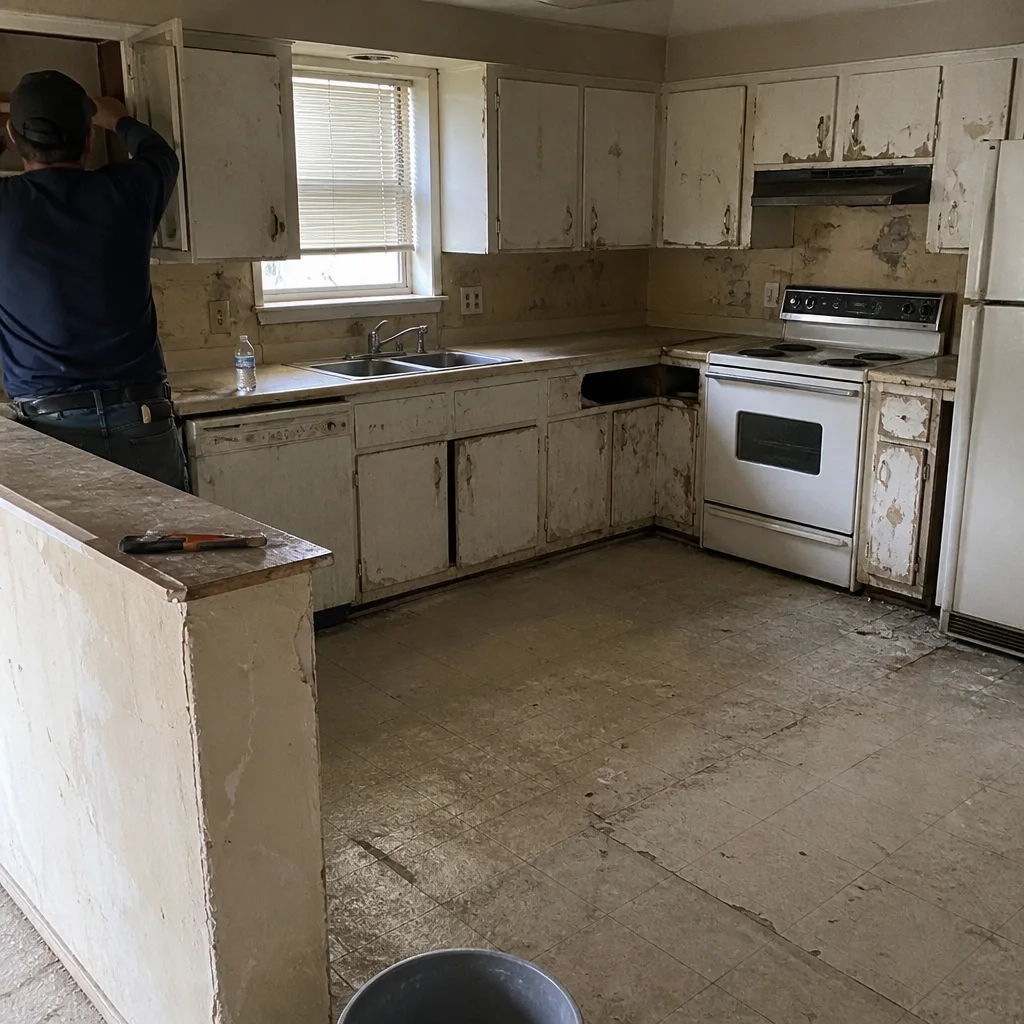 Before
 After
 Before
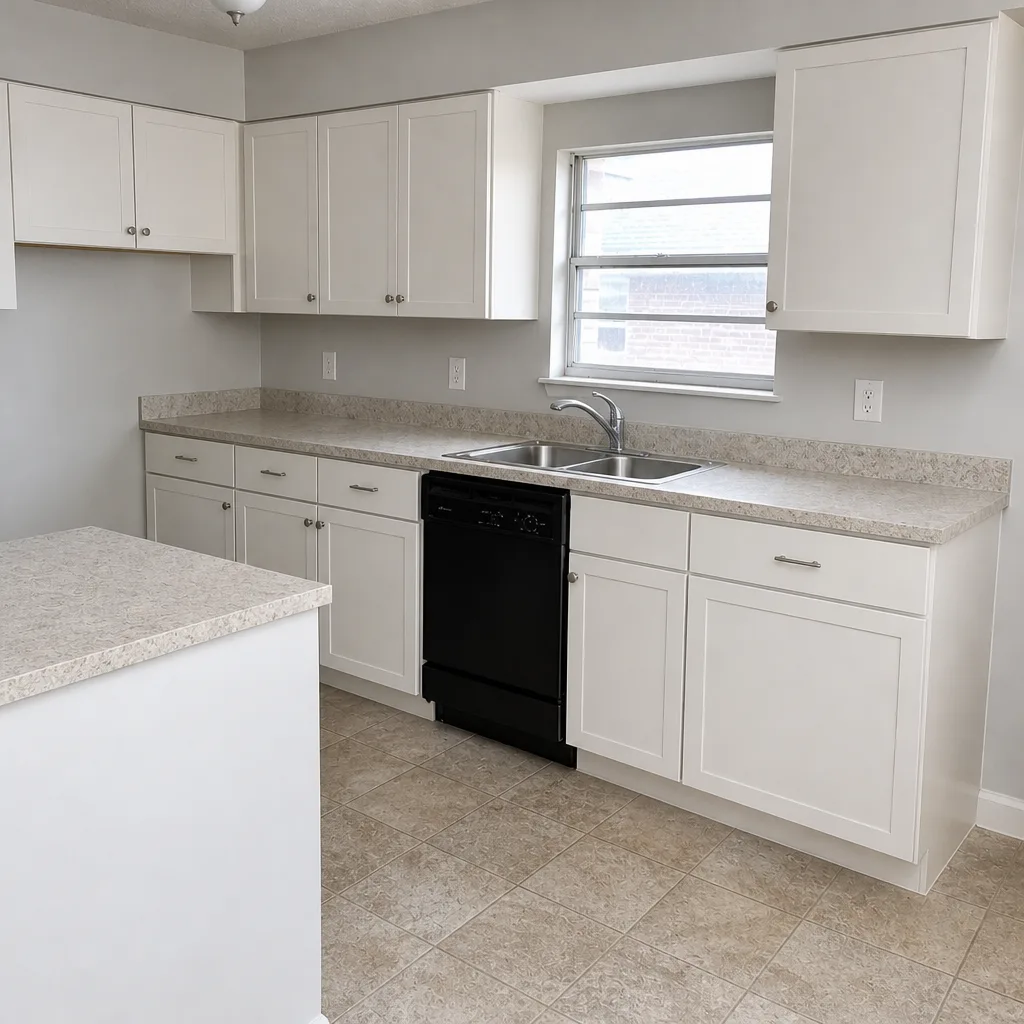 After
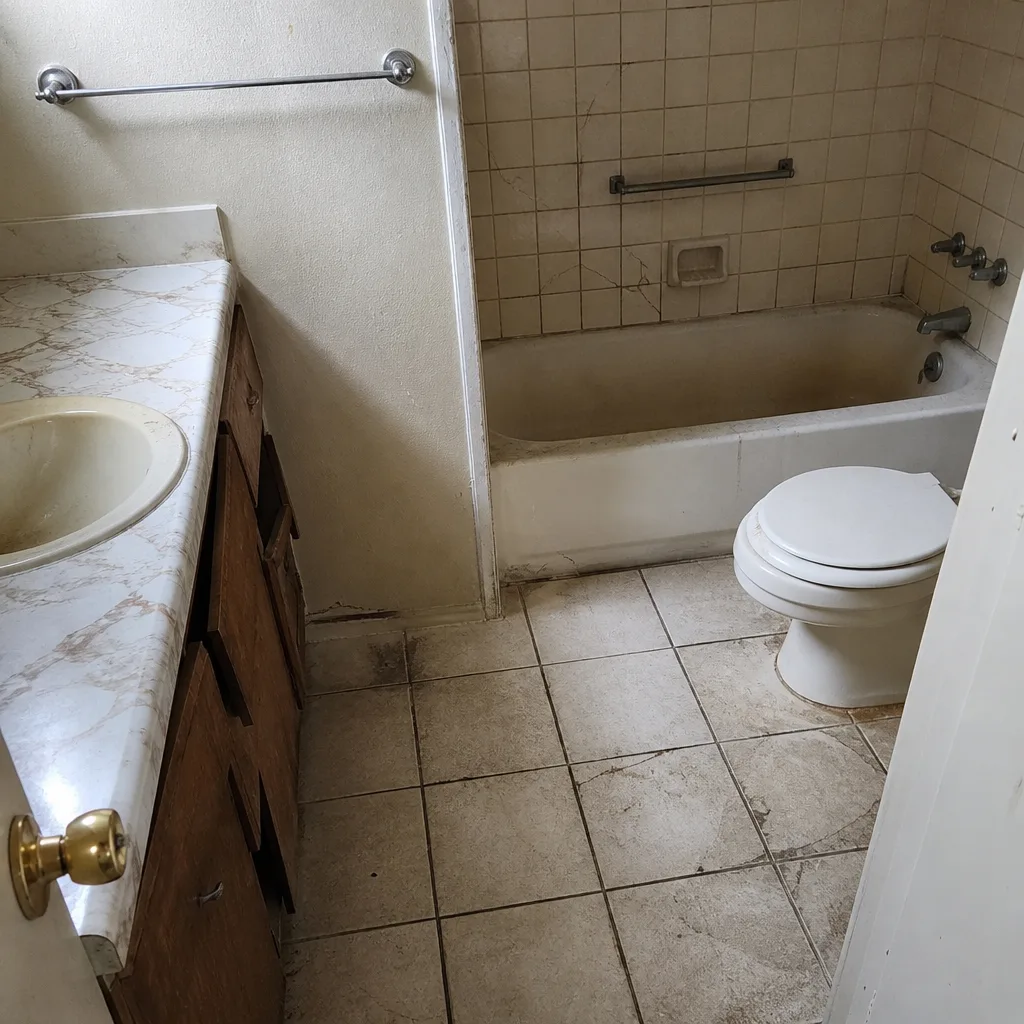 Before
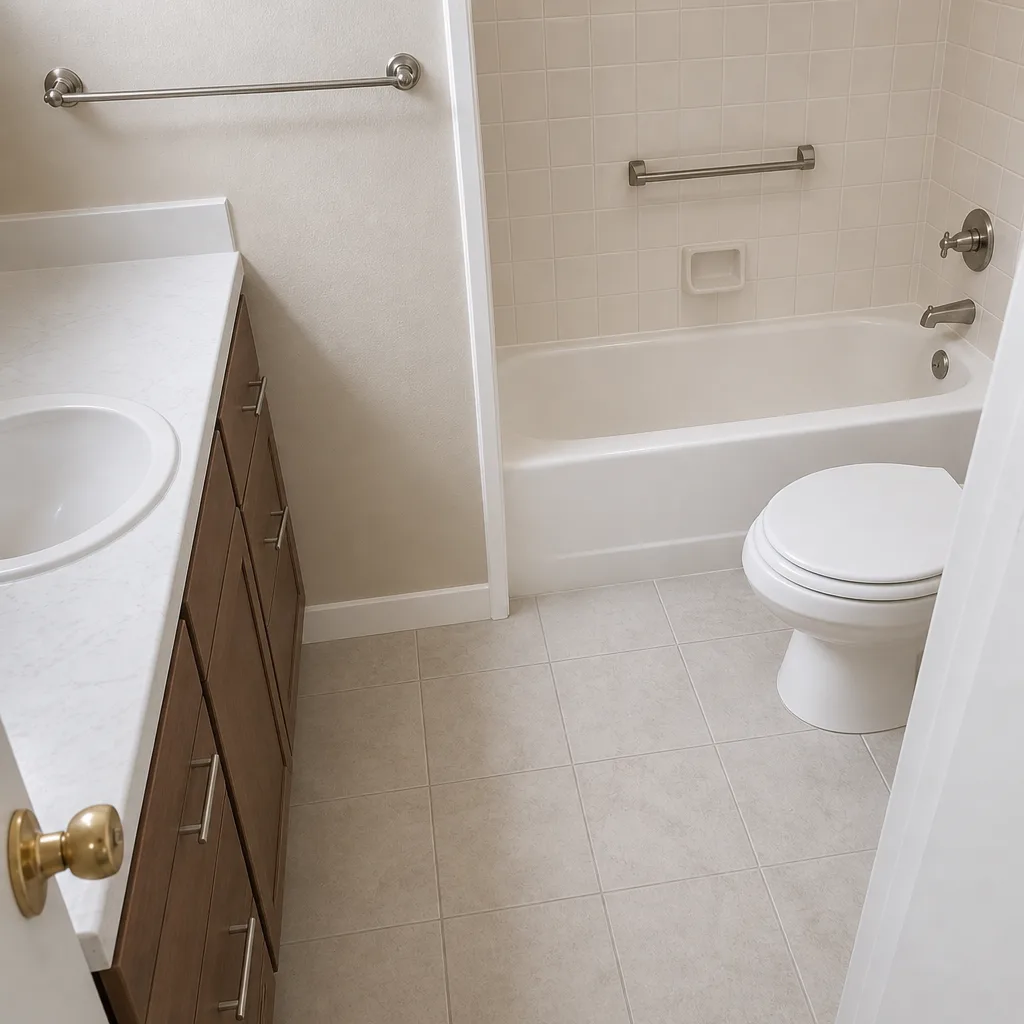 After
When to Call a Professional
Call a professional general contractor when the work involves structural changes, moving plumbing or electrical, or pulling a permit – full stop. In McKinney, that covers kitchen and bath remodels with layout changes, room additions, garage conversions, and anything touching framing or the electrical panel. It also covers older homes where a “small” fix turns into a rough-in problem once the wall opens. And it covers any project where you’d be signing a contract with a subcontractor you haven’t vetted. If the job requires an inspection, you need a GC who knows the Collin County process.
Bradford Remodeling Co McKinney offers free estimates in McKinney – call (844) 834-0609. You’ll get a written price before any work starts, and a live person answers the phone whenever you call.
Frequently Asked Questions

A general contractor in McKinney typically charges 10% to 20% of total project cost as a management markup on a cost-plus contract, or builds that margin into a lump-sum price. For a mid-size kitchen remodel in McKinney, the full project often lands between $25,000 and $65,000 depending on scope and materials. Call (844) 834-0609 for an exact quote – estimates are free and come in writing.
Yes for anything structural, mechanical, electrical, or plumbing. Cosmetic work like paint, flooring, and cabinet refacing generally doesn’t require a permit. When a permit is required, the contractor should pull it in their own name, not yours. Call (844) 834-0609 and we’ll tell you exactly what your McKinney project needs.
Not if the contract is written correctly. A proper contract locks in a written price for a defined scope and requires a signed change order before any additional work begins. Surprise invoices at the door are a sign of a poorly scoped contract, not a normal construction cost. Call (844) 834-0609 to schedule a free estimate with a written price.
Yes – the permit goes in our name as the contractor, which is where it belongs. You get a copy of the application, the inspection reports, and the closed-out permit at the end of the project. Call (844) 834-0609 and we’ll walk you through the permit process for your specific McKinney address.
A bathroom remodel in McKinney typically runs three to six weeks; a kitchen remodel runs six to twelve weeks; a whole-home remodel runs three to six months. Inspection scheduling with the city adds time that most timelines don’t account for. Call (844) 834-0609 for a realistic timeline on your project.
The 365-Day Done Right Promise is a full-year written guarantee on every completed project: if the work fails inside that window, we come back and correct it at no charge. It’s in writing, on paper, in your hand at project close. Call (844) 834-0609 to see what the guarantee covers for your project.
The Bottom Line
Hiring a general contractor in McKinney is a contract-literacy problem more than a vetting problem. The permit should be in the contractor’s name, not yours. The contract should lock in a written price for a defined scope, with a change-order process in writing. The insurance certificates should name the same business entity as the contract, and the indemnification clause should hold you harmless. Read all of it before you sign. When the paperwork is squared away, the rest of the project has a chance to go right – and if it doesn’t, a written guarantee in your hand is the only thing that makes a contractor pick up the phone.
Bradford Remodeling Co McKinney connects McKinney homeowners with independent local professionals held to The Garrison Standard. Call (844) 834-0609 for a free estimate and a written price before any work begins.
Written by the team at Bradford Remodeling Co McKinney.