
Last updated November 18, 2026








Free written scope consultation - allowances, timeline, and change-order rules on paper before a single trade is scheduled
Home Remodeling Troubleshooting: Common Problems and How to Fix Them
When a remodel goes wrong, most homeowners reach for their phone to call the contractor. The homeowners who get resolution reach for their contract first. Because a problem with no written scope attached to it is just a conversation, and conversations don’t get repaired. In our experience across McKinney, the disputes that drag on for months almost never start with a bad crew. They start with a scope line that said “repair as needed” or a verbal promise about the plumbing that nobody wrote down. This guide shows you how to sort mid-project problems into the four categories they actually fall into, how to put a contractor on formal written notice, how to read a change order before you sign it, and what Texas law gives you when the work stalls.
Quick Answer
Most home remodeling problems resolve fastest when you classify them correctly first: hidden conditions, workmanship defects, contractor delays, and scope disputes each have a different fix. Workmanship defects and delays are handled with a written cure notice that gives the contractor a defined window to correct the issue. Hidden conditions and scope changes are handled with a written change order that states price, time impact, and materials before any work proceeds. In Texas, the Residential Construction Liability Act requires written notice and an offer-to-repair process before you can file a complaint, so documentation from day one is what keeps your options open.
Styles & brands we work with
- Kitchen remodeling
- Bathroom remodeling
- Home additions & ADU
- Roofing
- Windows & doors
- Driveway & pavers
- Fence
Table of Contents
- The Four Kinds of Mid-Project Problems
- The Written Cure Notice: How to Put a Contractor on Notice
- Hidden Conditions in McKinney Homes
- How to Read a Change Order
- The Texas Residential Construction Liability Act, Practically
- Structuring a Project So Problems Have a Written Path
- What a Reasonable Resolution Timeline Looks Like
The Four Kinds of Mid-Project Problems
Every problem that surfaces during a remodel in McKinney falls into one of four buckets, and each bucket has its own resolution path. Getting the category right on day one is the difference between a two-week fix and a six-month fight.
- Hidden conditions. Something behind the drywall, under the slab, or inside the wall cavity that nobody could see until demolition opened it up. Cast-iron drain lines that have scaled shut, aluminum branch wiring in a 1970s ranch, a joist that was notched too deep by a previous owner. These are not the contractor’s fault and they are not your fault, but they are your cost, and the contract has to say so.
- Workmanship defects. Tile that lipped after the thinset cured, a cabinet run that is out of level by a quarter inch, a shower pan that holds water at the wrong corner. This is the contractor’s responsibility to correct, and it should be corrected under the workmanship guarantee, not billed back to you.
- Contractor delays. The crew that was supposed to be on site Monday and showed up Thursday. Material that was ordered late. A sub who got pulled to another job. Delays need a written schedule and a written response when the schedule slips.
- Scope disputes. The disagreement over whether “replace flooring” meant the whole main floor or just the kitchen. This one is almost always avoidable and almost always caused by a scope line that was too vague to enforce.
The reason this classification matters is that homeowners frequently treat a hidden condition as a workmanship defect, or a scope dispute as a delay, and then the resolution conversation goes sideways because nobody is arguing about the same thing. Our crews are trained to hand a homeowner a written notice the moment a hidden condition turns up, spec sheet attached, before anybody picks up a tool. That is part of how a McKinney remodel stays squared away.
The Written Cure Notice: How to Put a Contractor on Notice
A cure notice is a written letter or email that identifies a specific defect, states what correction you expect, and gives the contractor a defined window to fix it. It sounds formal because it is. It creates a dated record, and in Texas that record matters later. Here is the process we walk homeowners through when a workmanship defect or delay needs to be formally addressed.
- Write down the defect in plain terms. One issue per notice. “The master shower pan holds standing water in the northwest corner and does not drain, discovered after the tile was grouted on [date].” Do not bundle six complaints into one letter.
- Attach evidence. Photos with timestamps, a video of the standing water, the signed change order or scope line that covers the work. Include the relevant contract language so there is no argument over what was promised.
- State the correction you are demanding. “We are requesting that the shower pan be removed, the slope corrected to quarter-inch-per-foot fall, and the pan re-set and re-tiled.” Not “please fix it.”
- Set a reasonable cure period. For most residential workmanship defects, ten to fourteen days is a defensible window. For a delay, five business days to respond with a revised written schedule is standard. Do not set a forty-eight-hour demand unless there is active water intrusion or a safety issue.
- Send it in a way that creates a record. Email with read receipt, plus a certified letter if the issue is significant or the contractor has been slow to respond.
Under Texas law, a written cure notice is the front door to the Residential Construction Liability Act process described further down. If the contractor fixes the issue inside the cure period, you have resolution. If the period passes with no action, you now have documented grounds for the next step. A contractor operating under a disciplined general contractor in McKinney should treat a properly written cure notice as a job ticket, not an insult. Ours does.
Hidden Conditions in McKinney Homes
McKinney’s housing stock spans a wide range, and the hidden conditions we run into most often are tied to the era of the home. Four show up again and again, and every one of them should trigger a written change order before work continues.
Cast-iron drain lines
Homes built in the 1950s and 1960s in older McKinney neighborhoods have cast-iron waste lines that were often at half-thickness by the time a bathroom or kitchen remodel opens the wall. They scale shut and rust through from the inside. When a bathroom remodel in a home of that vintage turns up cast-iron under the slab or in the wall, the standard response is a camera inspection of the line before anyone backfills or drywalled over it. Skip that step and you install a beautiful new bathroom over a drain that will back up within a year.
Aluminum branch wiring
Aluminum branch wiring was common in homes wired roughly between 1965 and 1973, and McKinney has its share of subdivisions from that window. It is not inherently dangerous if the connections are properly made with listed connectors, but it is a real code and insurance issue, and it must be documented before any wall gets closed up. The protocol is a licensed electrician’s inspection and a written opinion on whether the existing connections can stay or must be pigtailed to copper.
Inadequate attic insulation uncovered during HVAC work
When a remodel touches the HVAC system, the attic gets opened up and the insulation situation becomes obvious. Older McKinney homes frequently show R-values well below what current energy code expects, particularly in the vaulted-ceiling areas. This is a legitimate hidden condition and belongs in a change order with a specific R-value target, not a vague “top off insulation.”
Improper framing from past renovations
Almost every older home in McKinney has had at least one previous renovation done without permits. Undersized headers, joists notched past the allowed depth, plumbing moved without proper venting. The protocol when you uncover one: stop, document with photos and a written description, get an engineer’s or licensed tradesperson’s written opinion if structural, and issue a change order before proceeding.
The right response to any hidden condition is the same: stop work in that area, document what you found, get a written price, and do not proceed until the change order is signed. If your contractor’s response to a hidden condition is “we’ll just figure it out as we go,” that is your signal to slow down. Hidden conditions are normal. Silent hidden conditions are a problem.
How to Read a Change Order
A change order is a written amendment to the original scope and price. It is the single most important document in the middle of a remodel, and it is where most homeowners get surprised. Here is what a properly written change order contains, and what to do if the one in front of you is missing pieces.
What must be in writing before work proceeds
- The specific work added or removed, described item by item.
- The dollar amount, broken down by line, not lumped into one number.
- The time impact: how many calendar days this adds or subtracts from the schedule.
- The materials involved, with brand and model where relevant. If the change touches cabinetry or plumbing, that might mean a name you recognize from the manufacturer’s spec sheet, like a specific trim line, so the price is traceable.
- Whether the change affects the warranty coverage or the original scope elsewhere.
- Both signatures, dated.
Time and materials billing and the not-to-exceed cap
Some changes are legitimately hard to price upfront, particularly hidden-condition repairs where nobody knows how much rot is behind the wall until it is opened. In those cases, time-and-materials billing is normal, but it must carry a not-to-exceed cap. The change order should read something like: “T&M at $X per hour plus materials at cost plus 15%, not to exceed $Y total without a further written change order.” That cap is what protects you. A T&M change order with no cap is an open check, and no homeowner should sign one.
Verbal change orders
If somebody on the crew says “we can add that in for you” and there is no paper, the response is simple: “Great, send me a written change order and I’ll approve it.” Any verbal change order should be treated as unauthorized until it is in writing. And if you approve a verbal change and it later shows up on an invoice with a price you never agreed to, do not pay it. Send it back in writing and ask for the change order that authorized the charge. On a project run under the Bradford Remodeling home page in McKinney, every change order is written, priced, and signed before the tool comes out, which is the only way that conversation stays short.
The Texas Residential Construction Liability Act, Practically
The Texas Residential Construction Liability Act, known as the RCLA, sets out the process a homeowner and contractor must go through before a construction defect claim can end up in court. It is worth understanding before you need it, because the notice requirements are strict and a misstep can cost you the case.
Notice before filing a complaint
Before you can file suit over a construction defect, the RCLA requires you to give the contractor written notice of the specific defect, a reasonable description of the damage, and a reasonable opportunity to inspect and repair. This is why the cure notice described earlier matters so much. That letter is often the exact document that satisfies the RCLA notice requirement, as long as it clearly describes the defect and what correction you want.
The inspection and offer-to-repair process
Once you have given notice, the contractor has a defined statutory window to inspect and to make a written offer to repair. The offer must say what will be repaired, how, and when. You are not required to accept an unreasonable offer, but you are required to give the process a chance to work. A contractor who ignores the notice window or refuses to inspect is exposing themselves later.
Arbitration versus litigation
Many remodeling contracts include a binding arbitration clause. Arbitration is generally faster and less expensive than a courtroom trial, but it is often binding and the discovery process is more limited. Litigation gives you a jury, but it is slower and costlier. The right choice depends on the size of the claim and what the contract says. If your contract has an arbitration clause and you have a defect claim above the small-claims threshold, a Texas construction attorney can tell you in one consultation which route fits your situation. Do not guess on this decision.
The practical takeaway is the same whether you ever file anything: write it down, send it in a recordable way, and give the contractor a defined window to fix it. The RCLA rewards that discipline.
Structuring a Project So Problems Have a Written Path
The way to make a McKinney remodel predictable is to front-load the paperwork. Every project we run starts with a written scope that has a resolution path already built in for the four problem categories, so when one shows up, nobody has to invent a process under pressure.
- Write the scope at the room level, not the bullet level. “Master bathroom: remove and replace shower pan, tile floor and walls, install new valve and trim, per attached spec sheet.” Attach the spec sheet. Vague scope lines are the single biggest source of disputes.
- Build the hidden-condition protocol into the contract. A line that says what happens when a cast-iron drain or aluminum wiring is found: stop work, written notice to owner within 24 hours, written change order drafted within 48 hours, no work continues in that area until signed.
- State the workmanship warranty term in writing. Ours is the 365-Day Done Right Promise: if the work fails within the year, we come back and correct it at no charge. That is a written term, not a welcome packet sentence.
- Agree on the change order format before work starts. Attach a blank change order template to the contract so everybody knows exactly what a change will look like.
- Set a written communication channel and response window. Email, with a stated response time for both sides. This is where the cure notice process lives.
- Document the close. Signed written guarantee in hand, full site cleanup, all manufacturer warranties collected and delivered. That is what squared away looks like at the end of a McKinney remodel, and it should be listed as the closeout deliverable in the contract.
When a project is structured this way, the cure notice and the change order are not hostile. They are the documented process. That is why our written price comes before any work starts, every time, with no numbers that move at the door. It is why our crews are background-checked and uniformed, so you know exactly who is walking through your home. And it is why the phone is answered by a live person around the clock. A homeowner in the middle of a remodel with a question should never have to leave a voicemail and hope.
What a Reasonable Resolution Timeline Looks Like
Homeowners often ask how fast a problem should get resolved. Here is the written timeline we hold ourselves to, and the one you should expect from any contractor running a disciplined McKinney project.
- Hidden condition discovered. Written notice to the homeowner within 24 hours. Written change order drafted within 48 hours of the discovery. Work in that area paused until signed.
- Workmanship defect reported by the homeowner. Written acknowledgement within 2 business days. On-site inspection within 5 business days. Corrective work scheduled within 14 days unless materials are on backorder, in which case the backorder gets documented in writing.
- Schedule slip. Written revised schedule from the contractor within 5 business days of the slip, including the reason and the new completion date.
- Scope dispute. Written response to the homeowner’s interpretation within 5 business days, with the relevant original scope language quoted verbatim.
- Post-warranty failure inside the 365-day window. Inspection scheduled within 5 business days of the call, corrective work completed at no charge.
If those windows pass with silence, that is when the cure notice goes out. Homeowners who hold the timeline in writing and put a written notice on every miss are the ones who actually get their projects finished.
Common Mistakes to Avoid
- Signing a scope that says “as needed” or “match existing.” Those three words cost more McKinney homeowners money than any other phrase in a remodeling contract. Specify brand, model, and quantity, and attach the spec sheet.
- Paying for a verbal change. Once the money leaves your account, the leverage is gone. Verbal changes become written change orders before the bill is paid, or they don’t get paid.
- Treating a hidden condition as a workmanship defect. Cast-iron drain lines and aluminum wiring are not the contractor’s fault, and arguing about it wastes the cure period you’ll need later for an actual defect. Categorize first, then respond.
- Sending a cure notice with no time window. “Please fix this soon” is not a cure notice. Date it, state the correction, and give a defined period.
- Skipping the camera inspection when a slab or wall opens up. Ten minutes and a couple hundred dollars to inspect a cast-iron line before you drywall makes the difference between a one-year problem and a ten-year one.
- Ignoring the arbitration clause in the contract. Read it before you sign. If it’s binding and you don’t like the terms, negotiate it out before the project starts, not after a defect appears.
- Not collecting manufacturer warranties at closeout. A Cambria surface or a Kohler fixture is backed by a manufacturer’s spec and warranty. If those documents aren’t in your hand at closeout, you’re relying on memory to enforce a warranty later.
See the difference
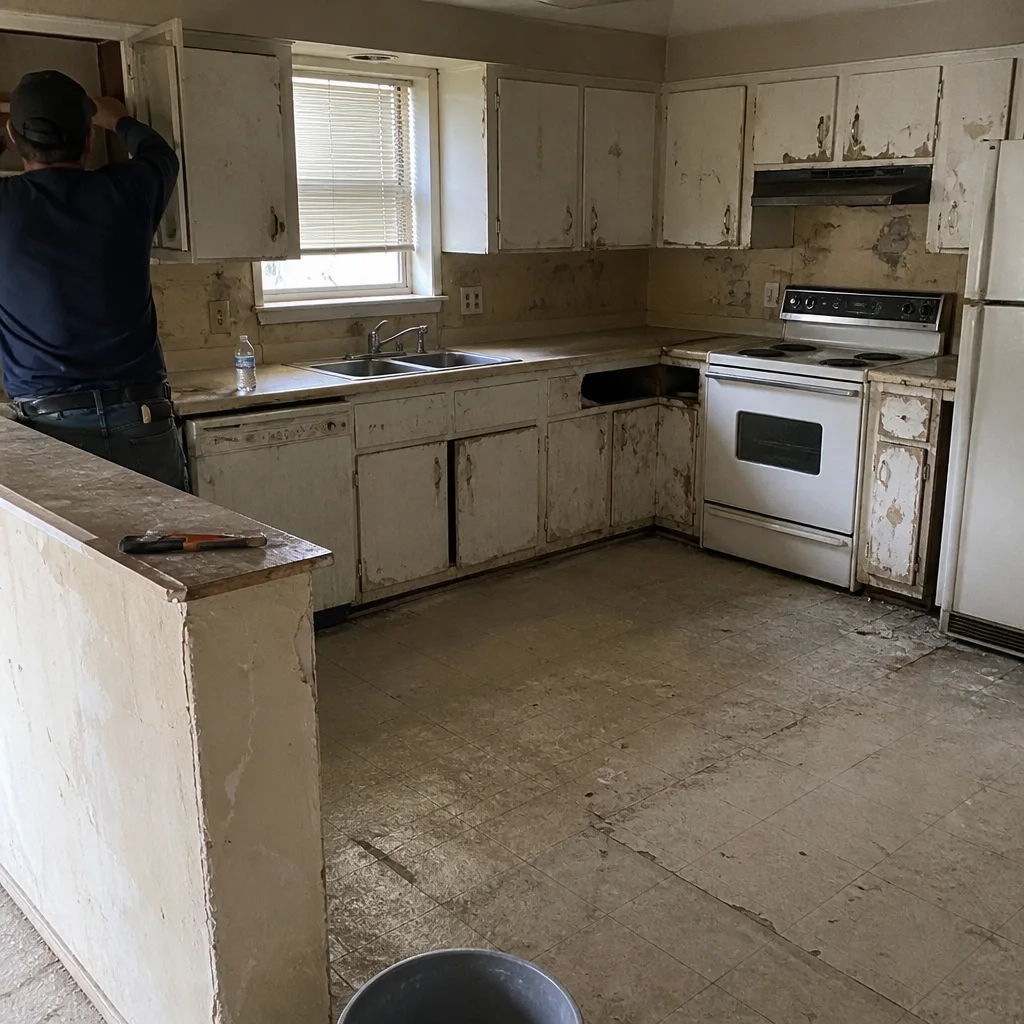 Before
 After
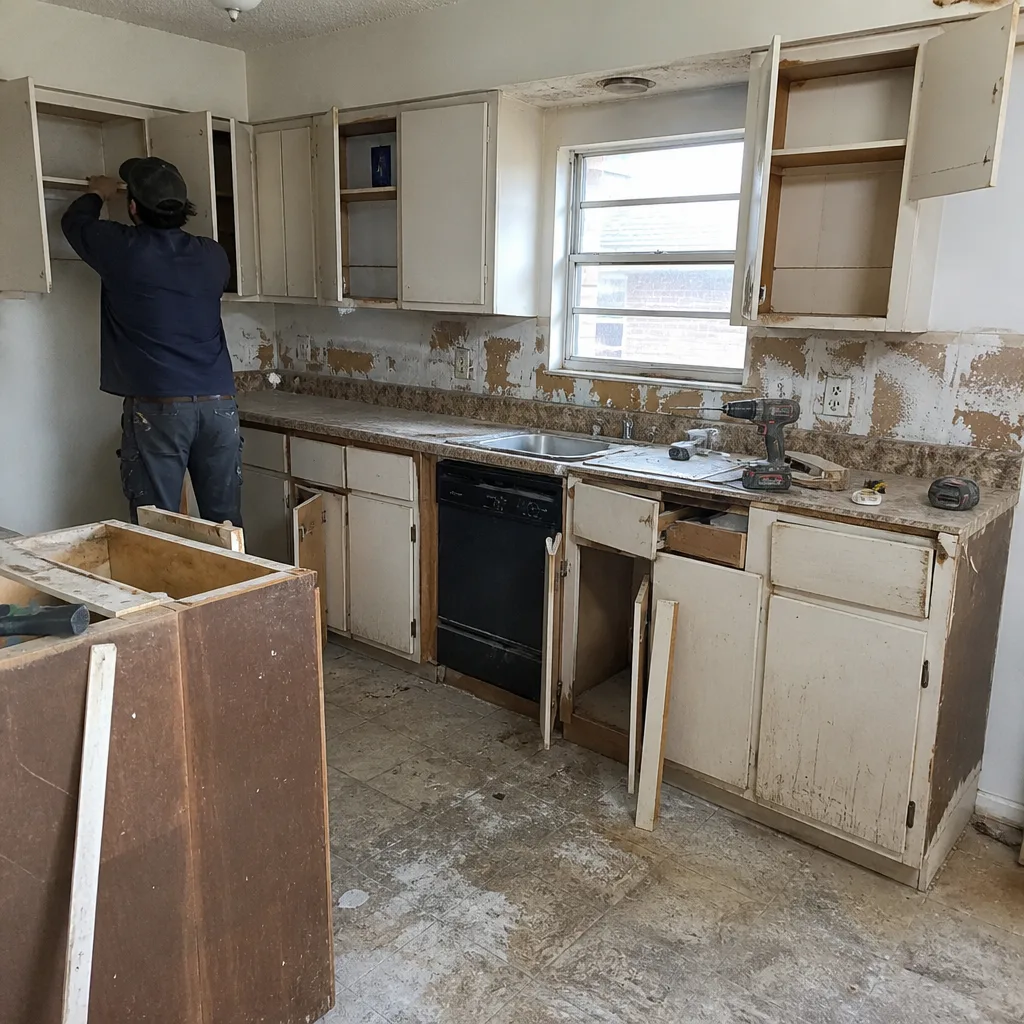 Before
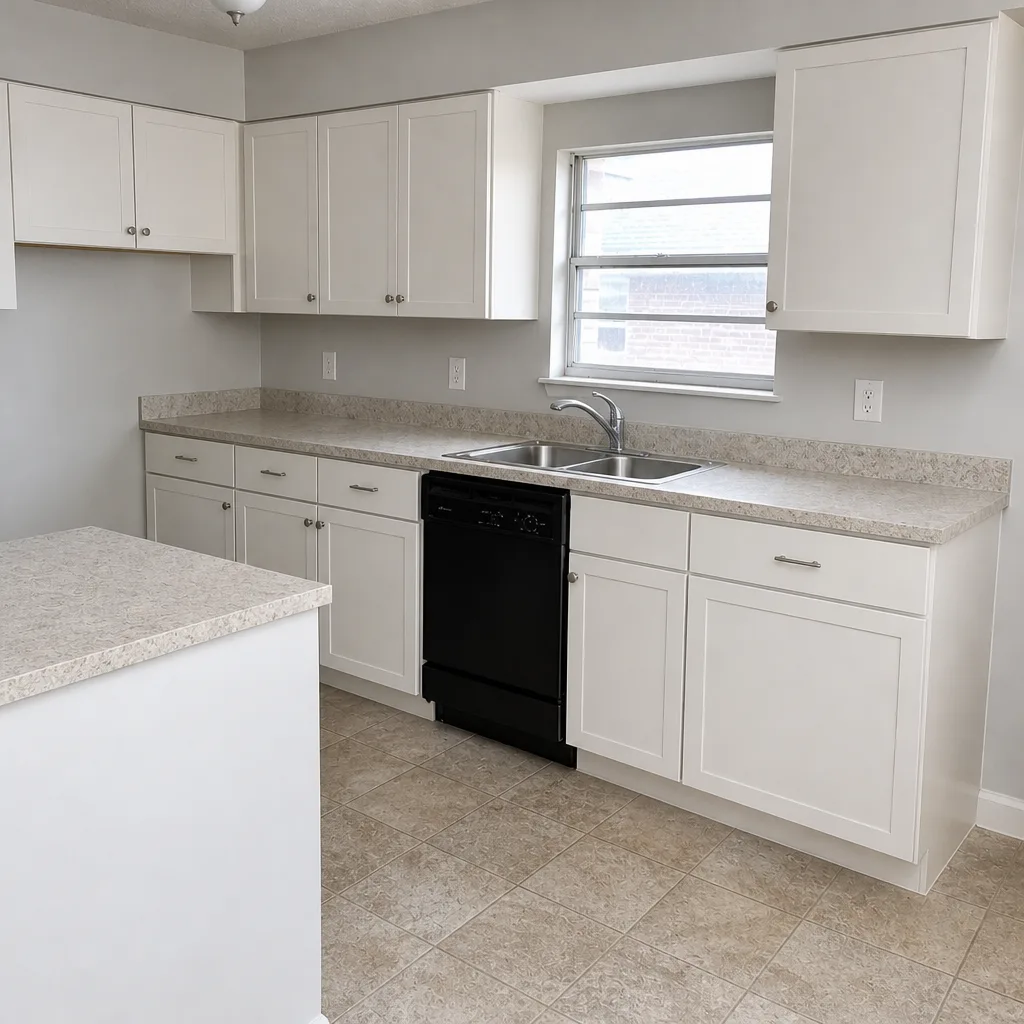 After
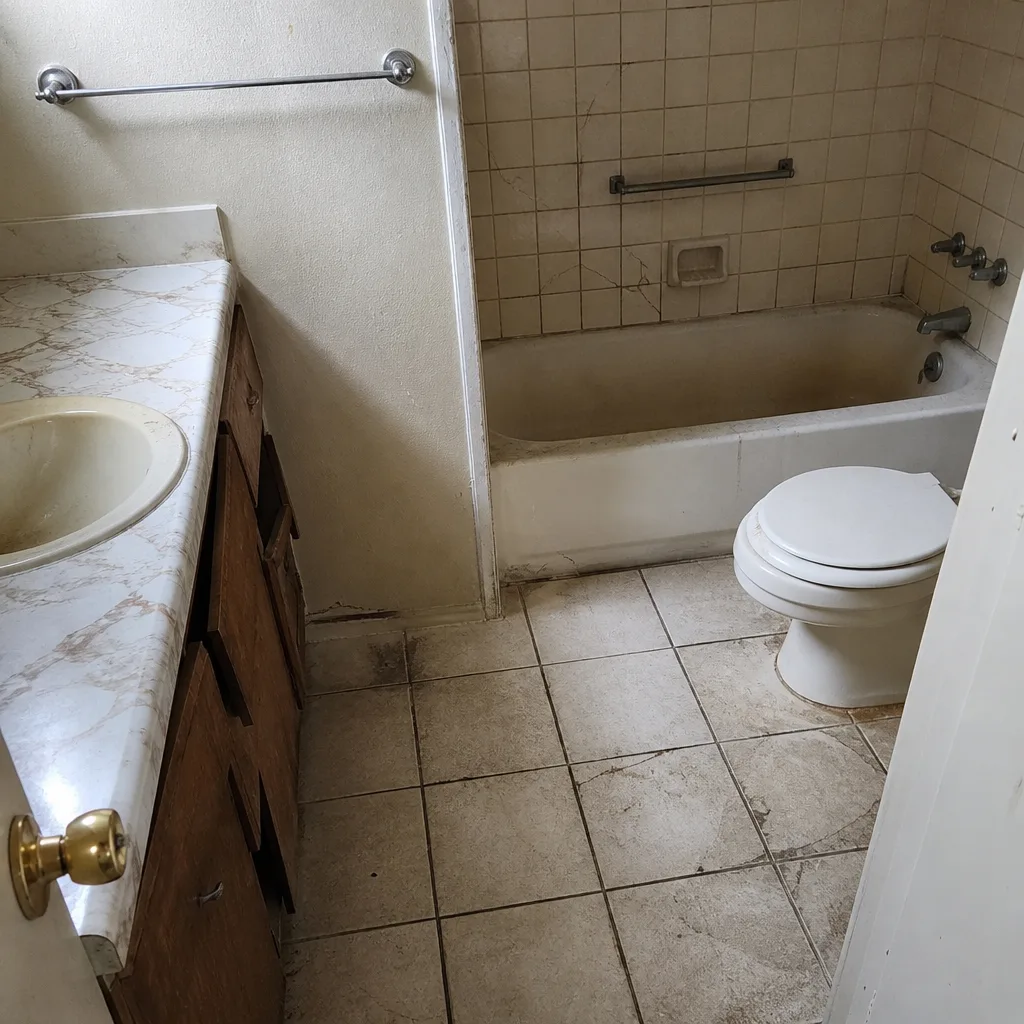 Before
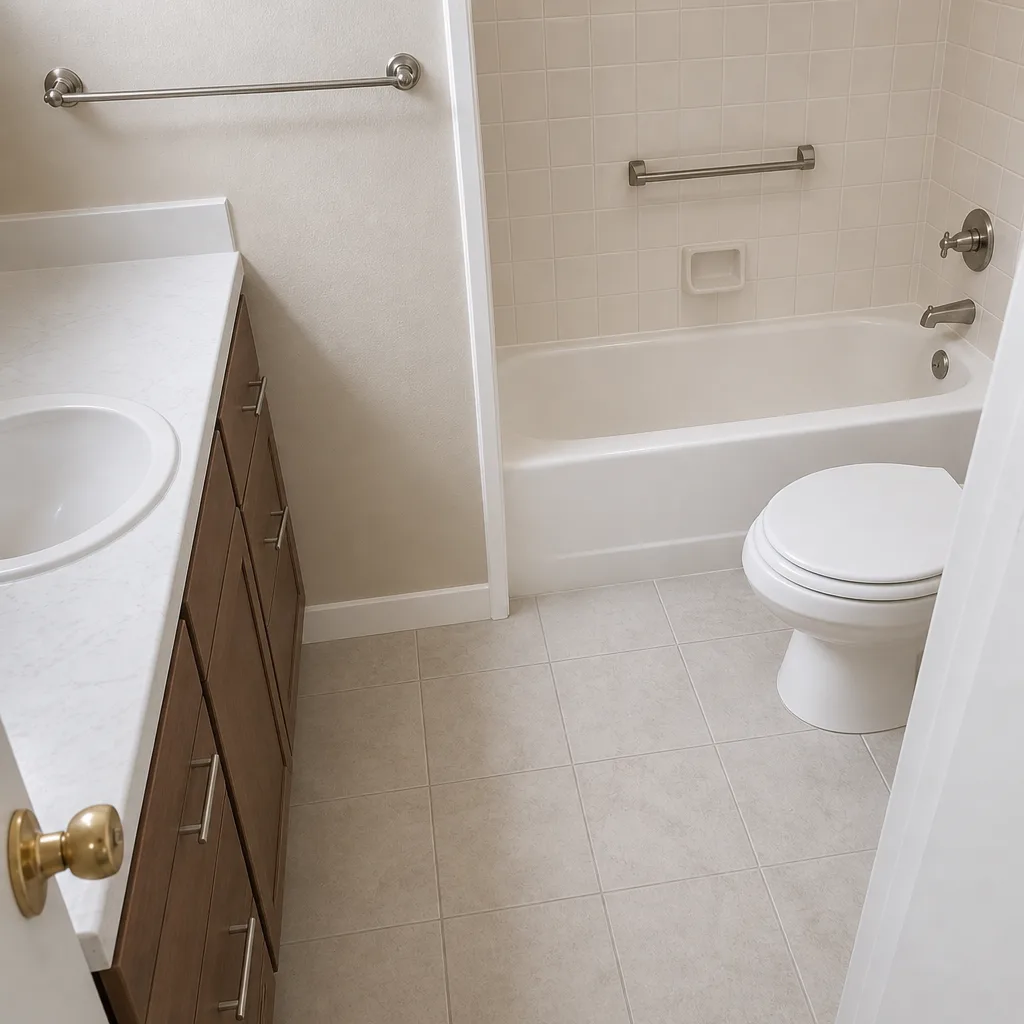 After
When to Call a Professional
Some of these problems are worth resolving in-house with a well-written email. Others are not. Call a licensed professional the moment any of the following turns up: structural framing that looks notched, cut, or missing (never touch this yourself), any gas line that has to be moved, electrical panel changes, cast-iron drain lines you’re about to close back up, or aluminum branch wiring anywhere in the project. Roof and exterior height work also belongs to a trained professional. If a contractor has gone silent past the cure period on a defect claim, or if you’re weighing the RCLA process against a formal demand, that is a call to a Texas construction attorney, not to another contractor. If you’re planning a kitchen, bath, or whole-home project in McKinney and want the scope, the change order format, and the written guarantee nailed down before the first tool comes out, kitchen remodeling in McKinney and bathroom remodeling in McKinney pages walk through the process. Bradford Remodeling Co McKinney offers free estimates in McKinney. Call (844) 834-0609 to schedule yours.
Frequently Asked Questions

Most homeowners should plan on holding 10 to 15 percent of the total project cost as a written contingency for hidden conditions. A bathroom remodel in a 1965 McKinney home that turns up cast-iron drain lines and aluminum wiring can add $3,000 to $8,000 to the original scope. That contingency should be written into the contract before work starts, not invented mid-project. Call (844) 834-0609 for a written scope that includes a contingency line – estimates are free.
There is no single statutory number; the cure period is whatever you set in writing, as long as it is reasonable. For most residential workmanship defects, ten to fourteen days is a defensible window and it satisfies the notice requirement under the Texas Residential Construction Liability Act. Set the period in your cure notice, date it, and send it by email and certified mail. Call (844) 834-0609 if you want to see how a properly written cure notice looks before you send yours.
No. You can refuse any change order, and you can require a second opinion or a lower-cost alternative before signing. What you cannot do is have the work proceed anyway, because the cost then becomes your responsibility. Get the change order in writing, review it line by line, and don’t authorize work until you’re satisfied. Call (844) 834-0609 to talk through what a reasonable hidden-condition change order should look like – estimates are free.
A not-to-exceed cap is a ceiling on a time-and-materials change order – the contractor cannot bill above that figure without a further written change order. Without a cap, a T&M change order is effectively an open check, and hidden-condition repairs can run well past what you expected. Insist on a cap before signing, and get any amount over the cap approved in writing. Call (844) 834-0609 for a written change order format you can ask any McKinney contractor to use – estimates are free.
It depends on the size of the claim and what your contract already requires. Arbitration is generally faster and less expensive and is often binding; litigation gives you a jury and broader discovery but is slower. If your contract has a binding arbitration clause, you may not have a choice. Talk to a Texas construction attorney before filing anything. Call (844) 834-0609 to talk through the process a properly written McKinney contract should include – estimates are free.
They call the contractor instead of reading the contract, then have a conversation with no written record. The homeowners who get resolution are the ones who put the problem in a dated, itemized letter with evidence attached and a defined cure period. That is the document that carries weight under the RCLA and that gets work corrected fastest. Call (844) 834-0609 to see how a written scope and change order process keeps McKinney projects out of that situation – estimates are free.
The Bottom Line
Most remodeling disputes in McKinney are scope problems wearing the costume of workmanship problems. If your contract says “replace as needed,” a hidden cast-iron drain becomes a fight. If your scope names the brand, the model, and the change order format, the same drain becomes a document you sign. Classify the problem first (hidden condition, defect, delay, or scope dispute), respond in writing with a defined window, and read every change order before you sign it. Texas law doesn’t ask you to be an expert; it asks you to be documented. Get the written price, hold the written guarantee, and put everything else in a dated letter. That is the whole game. Call Bradford Remodeling Co McKinney at (844) 834-0609 today to schedule your free estimate, with every price and every guarantee in writing before a single tool comes out.
Written by the team at Bradford Remodeling Co McKinney.