
Last updated November 18, 2026








Free written scope consultation - allowances, timeline, and change-order rules on paper before a single trade is scheduled
Bathroom Remodeling Troubleshooting: Common Problems and How to Fix Them
A cracked tile two months after installation and a contractor who won’t answer calls are not the same problem. One is a materials defect. The other is a contract defect. Most homeowners find out which one they’re dealing with only after the check has cleared and the punch list is long gone.
That’s the counterintuitive truth about bathroom remodeling problems: the majority aren’t construction surprises at all. They’re documentation failures. Loose scope, verbal change orders, no written cure period, no record of what was specified. When things go wrong, the homeowner with a thin paper trail has nothing to stand on. The homeowner with a signed scope, dated photos, and a clear warranty has leverage.
This guide breaks down the problems that actually come up in McKinney bathrooms, sorted by root cause, and gives you the resolution path for each. You’ll learn how to document a defect so it’s actionable, what Texas law expects from a contractor’s duty to cure, and where the line sits between a workmanship warranty and a manufacturer warranty.
Quick Answer
Most bathroom remodeling problems fall into four categories: pre-existing conditions found during demo, workmanship defects, material failures, and scope creep. Each has a different fix. Pre-existing conditions are handled through a written change order before work continues. Workmanship defects are covered under the remodeler’s warranty. Material failures go through the manufacturer’s warranty, which is why the brand and spec sheet matter. Scope creep is prevented, not fixed, by a written scope signed before demolition starts. The single most useful thing you can do is document every problem in writing with dated photos and a cure period.
Styles & brands we work with
- Kitchen remodeling
- Bathroom remodeling
- Home additions & ADU
- Roofing
- Windows & doors
- Driveway & pavers
- Fence
Table of Contents
- Categorizing Problems by Root Cause
- Hidden Conditions in McKinney Homes
- How to Document a Defect So It’s Actionable
- Workmanship Warranty vs. Manufacturer Warranty
- What Texas Law Says About the Duty to Cure
- Preventing Scope Creep Before It Starts
- Preventing Problems During the Remodel
- Common Mistakes to Avoid
- When to Call a Professional
- Frequently Asked Questions
Categorizing Problems by Root Cause
Before you can fix a bathroom problem, you have to know what kind of problem it is. The four root causes below each have a different resolution path, a different party who’s responsible, and a different timeline. Homeowners who skip this step end up filing the wrong complaint with the wrong party and getting nowhere.
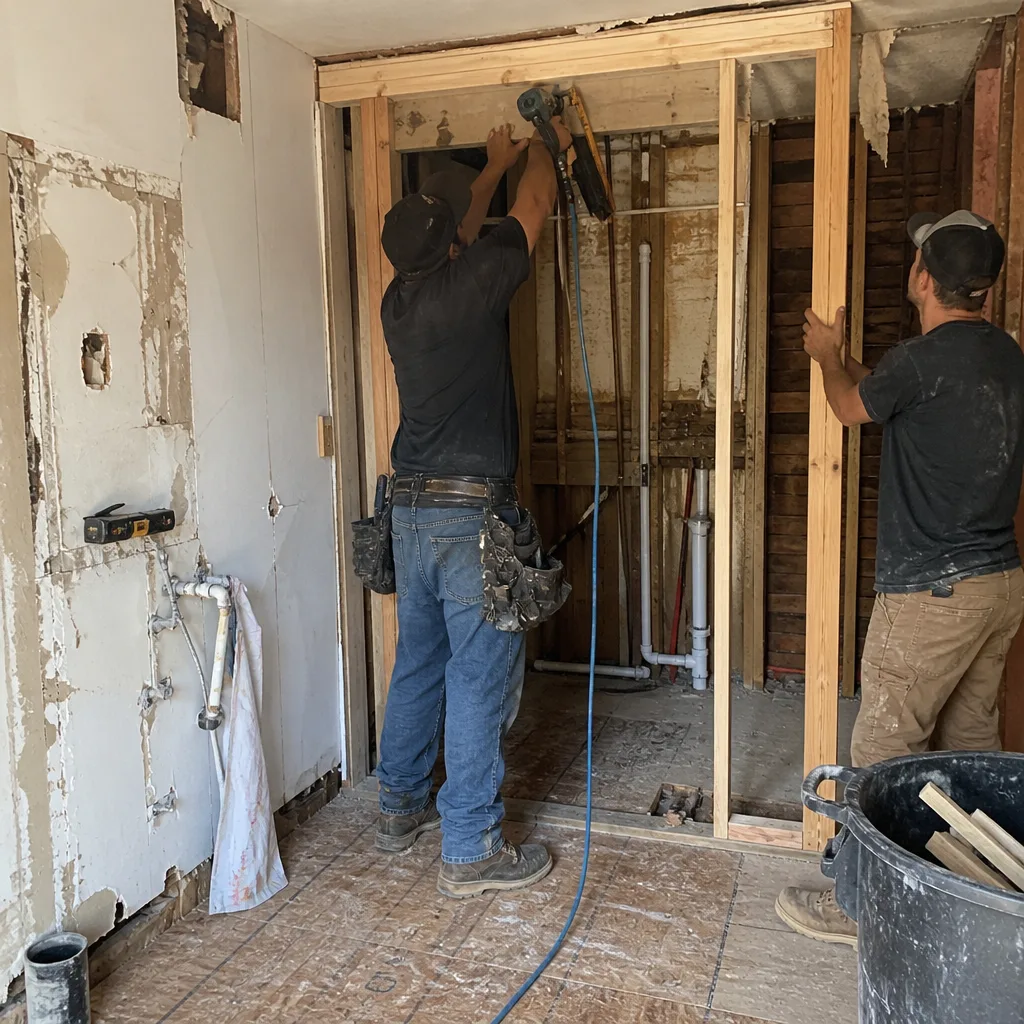
Pre-existing conditions are problems that were already there before demolition. A cast-iron drain line that finally cracked in a 1970s McKinney home. A joist that was notched by a previous owner for a drain. Rotted subfloor under a shower pan that leaked for years before the remodel. These aren’t anyone’s fault in the current job, but they do require work. A remodeler finds them during demo, stops, photographs, and provides a written change order with a price. The homeowner approves or declines in writing before work continues.
Workmanship defects are failures of installation. Tile that’s not properly bedded, waterproofing applied incorrectly, a shower pan that wasn’t pitched, a vanity installed out of level. These are the remodeler’s responsibility and they’re covered under a workmanship warranty.
Material failures are product defects. A tile that cracks from a manufacturing flaw. A faucet cartridge that fails well before its rated cycle life. A cabinet hinge that splits at the screw hole. These are covered under the manufacturer’s warranty, which is why the brand and the spec sheet matter enormously.
Scope creep is the slow expansion of a project beyond what was agreed. It’s not a defect, but it’s the most common source of disputes. “While you’re in there, can you also…” is where budgets die. Handled correctly, scope changes go through a written change order with a price and schedule impact before anyone lifts a tool.
Hidden Conditions in McKinney Homes
McKinney has a lot of housing stock from the 1970s through the early 2000s, and each era carries its own likely hidden conditions when a bathroom opens up. Knowing what’s likely to show up doesn’t prevent it, but it does help you recognize a legitimate change order when one appears.
The most common we see:
- Cast-iron drain lines in homes built before the mid-1980s. Cast iron corrodes from the inside out, and the horizontal runs under a bathroom floor are the first to go. Once exposed, a section that’s rusted through is a real problem. The fix is usually a spot replacement or a partial re-pipe, not the whole house.
- Previous DIY tile over uncured or improperly prepped substrate. A DIY tiler who skipped a proper backer board or didn’t allow the substrate to cure will leave you with a tile field that fails structurally. When you pull the tile, you find the problem.
- Leaking shower pans from older installations that soaked the subfloor and framing over years. This is where rot lives.
- Improperly vented plumbing where a previous remodel skipped the venting requirement. Bathroom vents can gurgle or drain slowly because of it.
- Notched or drilled framing from a prior plumbing or electrical run that compromised a joist. This often shows up when the new layout requires moving a fixture to a different spot.
The protocol when any of these appears is straightforward: the crew stops, documents with photos, provides a written change order with a price and schedule impact, and waits for signed approval. No work continues until the homeowner has signed. That’s not over-protective paperwork. That’s how the problem stays a change order and doesn’t become a dispute.
For homeowners planning a full bathroom remodel in McKinney, a pre-demo walk-through with a licensed plumber can catch some of these issues before demo starts, which means fewer mid-project change orders. It’s not a guarantee, but it usually pays for itself in accuracy.
How to Document a Defect So It’s Actionable
A complaint that goes nowhere is almost always missing one of three things: evidence, notice, or a cure period. A complaint that gets resolved has all three. Here’s the sequence that gives you leverage.
- Photograph and date. Take wide shots of the whole area first, then close-ups. Include something for scale. Note the date and time on each photo using your phone’s date stamp. If you have a moisture meter or a level, note the reading.
- Write a factual summary. One paragraph, no adjectives. “The floor tile in front of the shower has cracked along a 14-inch line. It appeared on August 3, 2025. The crack runs parallel to the shower curb. Two adjacent tiles sound hollow when tapped.”
- Reference the warranty in writing. Pull out the written warranty you received at project closeout. Quoting the warranty term (“365-Day Done Right Promise” or whichever applies) in the notice tells the remodeler which obligation you’re invoking.
- Send written notice to the address in the contract. Email is fine if the contract allows it. Certified mail is not a bad idea for anything expensive. Keep a copy.
- State a cure period. Texas law uses the phrase “reasonable time to repair.” What’s reasonable varies. For a supply issue like a failed cartridge, two weeks is generous. For a workmanship issue that requires a re-tear, four to six weeks is more realistic. State the period in your notice, and note the date by which you’ll follow up.
- Follow up in writing. If the cure period lapses with no response, send a second notice referencing the first with a new cure period. This is the record that matters if the dispute ever goes further.
For a McKinney homeowner, the practical point is this: the written record is what separates a fix from a fight. Our team at Bradford Remodeling Co McKinney provides the warranty in writing at closeout precisely because that document is what makes the resolution path work when something goes wrong. Without it, you’re arguing from memory.
Workmanship Warranty vs. Manufacturer Warranty
This distinction matters most at the 12- to 18-month mark, when the first things start to fail. A workmanship warranty is the remodeler’s obligation to correct installation failures. A manufacturer warranty is the product maker’s obligation to correct defects in the product itself. The two run on different clocks, cover different things, and route to different parties.
Here’s how they break down:
- Workmanship warranty covers installation. Tile that’s not bedded correctly, waterproofing that wasn’t applied to spec, fixtures installed out of level, grout lines that cracked because of improper substrate prep. If your remodeler gives you a full-year written guarantee (the bathroom remodeling McKinney team at Bradford Remodeling Co McKinney does), the workmanship clock starts at closeout and runs for the full year, and the fix is the remodeler’s cost, not yours.
- Manufacturer warranty covers the product. A KraftMaid cabinet door that warps from a defect in the panel. A Kohler faucet cartridge that fails. A Cambria countertop with a manufacturing flaw. Those route to the manufacturer through their warranty process, and the length varies widely (a few years on some fixtures, a decade or more on some surfaces).
- Overlap is where it gets tricky. If a shower pan fails at 14 months because the waterproofing membrane wasn’t applied correctly, that’s a workmanship issue even though it involves a product. If a Kohler valve body cracks internally at 14 months and the installation was correct, that’s a manufacturer claim. Which means: the 14-month-failure question always starts with “was it installed to spec?” The documented spec sheet and the written workmanship warranty are how you answer that question instead of arguing about it.
This is exactly why working from a documented roster of brands matters. KraftMaid, Wellborn, Cambria, Caesarstone, Kohler, and Moen all have published installation specs and manufacturer warranty terms. Those documents are what you’ll dig up if something fails in year two.
What Texas Law Says About the Duty to Cure
Texas doesn’t handcuff a contractor for life, and it doesn’t leave a homeowner with no remedy. It expects the homeowner to give written notice and a reasonable opportunity to cure before escalating. The phrase “reasonable time to repair” is doing the work in every dispute, and understanding what it means saves a lot of frustration.
Under the Texas Residential Construction Liability Act (RCLA), before a homeowner can bring a claim against a contractor for defective work, they generally must send written notice describing the problem in reasonable detail and give the contractor a reasonable time to inspect and offer to repair. The contractor may then make a written offer to repair, settle, or pay. If the homeowner rejects a reasonable offer and proceeds to litigation, the homeowner’s recovery can be limited. So the offer matters.
What “reasonable time” means in practice:
- Response time. The contractor should acknowledge the notice in writing within a week or so. Not fix it, but acknowledge it and schedule an inspection.
- Inspection. The inspection should happen within two to three weeks for non-emergency issues. For anything actively causing water damage, it should happen inside a day or two.
- Repair timeline. Once the scope of the repair is agreed (in writing, again), the actual work should start within 30 to 60 days for most bathroom issues. Longer for anything that requires re-ordering imported tile or a custom surface.
None of this relieves the contractor of the obligation. It’s a floor, not a ceiling. A written workmanship warranty that promises to come back and fix the issue at no charge gives the homeowner a faster path than the statutory one, which is why the general contractor in McKinney model we follow starts with a written guarantee at every closeout. The statute gives you a remedy. The written warranty gives you the resolution without invoking the statute.
Preventing Scope Creep Before It Starts
Scope creep in a bathroom remodel is rarely a surprise. It’s a series of small verbal agreements that each seemed reasonable in the moment. “While you’re in there, can you…” repeated six times over the course of a six-week project. By the time the final invoice arrives, the homeowner is looking at a number 20 to 25 percent higher than the original, and nobody’s sure exactly where it went.
The prevention protocol is simple to describe and requires discipline to follow:
- Write down the full scope before demolition. Every fixture, every surface, every finish, every included task. Fixtures specified by brand and model (Kohler, Moen, KraftMaid, Cambria, Caesarstone). Surfaces specified by material and square footage. The written scope should be detailed enough that two people reading it independently could describe the same finished bathroom.
- No verbal change orders. Ever. If the homeowner asks for something not in the scope, the answer is a written change order with a price and a schedule impact, sent before the work proceeds. The homeowner signs. Only then does the crew lift the tool.
- Price before work, in writing. Every stage of the project gets a written price before work begins at that stage. No numbers move at the door. No estimates become invoices without a written scope attached.
- Signed closeout. When the job finishes, the homeowner receives the warranty in writing, the final documented scope, and the punch list sign-off. That package is what protects both parties if something fails inside the guarantee window.
This is what The Garrison Standard actually looks like in practice, and it’s the reason our team at Bradford Remodeling Co McKinney puts every price and every guarantee in writing before any tool comes out. A written price before work begins is non-negotiable. Not because paperwork is fun, but because it’s the mechanism that keeps a change order a change order.
Preventing Problems During the Remodel
Most of the problems we troubleshoot are preventable during the project itself. Here is a checklist homeowners can use to keep the project on the rails:
- Keep a project binder. Written scope, signed change orders, warranty terms, dated photos of every stage. Both sides should have a copy of the same binder.
- Verify substrate and waterproofing before tile. Ask to see the waterproofing membrane before tile goes down. In a wet area it’s the most important layer in the whole assembly, and it’s the one thing you can’t inspect after the tile is up.
- Confirm plumbing inspections passed before the walls close. In McKinney, rough-in plumbing inspections should pass before drywall goes up. Ask for the signed inspection record.
- Match materials to the spec sheet. If the scope says KraftMaid cabinetry and Cambria quartz, the boxes and countertop should match. Open a cabinet door and read the label during install.
- Note the humidity regime in the home. McKinney summers push indoor humidity to the point where an under-vented bathroom will fog mirrors and stress grout. Confirm the exhaust fan is sized for the room and ducted outside, not into the attic.
- Document closeout conditions. A walk-through photo of the finished bathroom on closeout day is the record you’ll compare against if something fails at month 14.
Common Mistakes to Avoid
- Skipping the written scope to save time. A verbal scope might save an afternoon upfront and cost months of back-and-forth if a defect dispute appears later. There’s nothing to point to when the two parties disagree about what was agreed.
- Approving a change order “by text message later.” If it’s not signed before work proceeds, it’s not approved. Written change orders with a price and schedule impact are the only thing that protects both sides.
- Choosing a contractor by lowest bid without checking the warranty. A cheaper number with no written guarantee means the first workmanship defect is your out-of-pocket problem. Compare written guarantee terms, not just price.
- Assuming the manufacturer warranty covers installation. It doesn’t. If the shower pan leaks because the membrane was applied incorrectly, that’s a workmanship issue, and it routes back to the remodeler, not Kohler.
- Letting a small grout crack sit for months. In a McKinney bathroom, water finds every small crack. Small cracks turn into subfloor problems fast. Document and notify early, within a week or two of noticing.
- Ignoring a hidden-condition finding during demo. Old cast-iron drain lines and prior DIY tile work over uncured substrate are common in McKinney homes. If a remodeler is willing to “handle it quietly,” ask for the written change order instead. No written change order means no agreement on price.
- Not requesting the warranty at closeout. A promise of a warranty isn’t a warranty. Ask for the written document at closeout and store it with the signed scope. The written warranty is the thing you’ll actually use.
For kitchens and bathrooms alike, the kitchen remodeling in McKinney crew follows the same protocol: written scope, written change orders, written warranty at closeout. The remodeling problems that plague homeowners almost always trace to skipping one of those three.
When to Call a Professional
Some problems are DIY-able. A dripping shower head or a loose towel bar isn’t a professional call. But several bathroom issues are genuinely beyond DIY and, in a few cases, dangerous to attempt. Active water intrusion under a floor pan, a shower pan that’s leaking into the ceiling below, a cracked tile field where the crack runs along the shower curb, a plumbing leak inside a wall cavity, and any evidence of rot in the subfloor or framing are all signs to stop and call. Tile removal in a wet area can also damage the waterproofing membrane if done without knowing where it is. And any work inside a wall with a plumbing or electrical supply should be assumed to require a professional until proven otherwise. If you’re not sure whether your issue is a workmanship defect or a pre-existing condition, that’s the right moment to get a second set of eyes on it.
Bradford Remodeling Co McKinney offers free estimates in McKinney – call (844) 834-0609 and a live person will help you schedule a walk-through. Background-checked technicians, written pricing before any work, and the 365-Day Done Right Promise on every completed project.
Frequently Asked Questions
Fixing one to three cracked floor tiles in a McKinney bathroom typically runs $150 to $400, depending on whether the underlying substrate is intact. If the crack is along the shower curb or wherever the waterproofing is suspect, the repair often expands to $500 to $1,200 because the tile, substrate, and waterproofing have to be rebuilt correctly. If the crack appeared within a year of installation and was caused by installation, a written workmanship warranty should cover the repair at no charge. Call (844) 834-0609 for a free estimate on the specific tile you’re dealing with.
Not if the scope is written and change orders are signed before work proceeds. A written scope with detailed specifications locks the price for everything inside it. Pre-existing conditions found during demo are handled through a written change order with a price and schedule impact that the homeowner signs before the work continues. The homeowner always has the option to decline. What a written scope prevents is the surprise invoice, not the legitimate change order. Call (844) 834-0609 to schedule a free estimate with a written price before any work begins.
Yes. Bathroom remodels in McKinney require permits for plumbing, electrical, and any structural changes, and the rough-in inspections must pass before the walls close. Permits pulled and inspections passed should be documented in the project file, and the homeowner should get the signed inspection record. Skipping permits is one of the most common ways a remodel creates problems later, especially at resale. Call (844) 834-0609 for a free estimate that includes the permit scope in writing.
A full bathroom remodel in McKinney typically takes four to eight weeks of active construction, plus two to four weeks of lead time for materials like KraftMaid cabinetry or Cambria surfaces. A cosmetic refresh (paint, fixtures, tile without layout changes) runs two to three weeks. Pre-existing conditions found during demo can add a week. The schedule should be in writing with the scope, before demolition starts. Call (844) 834-0609 for a free estimate with a written schedule.
A 365-day workmanship warranty is a written guarantee that the contractor will return and correct installation failures at no charge if they occur within 12 months of closeout. A manufacturer warranty is the product maker’s obligation to correct defects in the product itself, and the length varies widely (a few years to a decade or more depending on the product). Workmanship covers how the product was installed. Manufacturer covers the product. At the 14-month mark, both can still apply depending on what failed and why. Call (844) 834-0609 to see the written warranty terms before you start.
The two most common hidden conditions in McKinney bathrooms are corroded cast-iron drain lines in homes built before the mid-1980s and previous DIY tile installations over improperly prepped or uncured substrate. Rotted subfloor under an older shower pan is a close third. Each one comes with a written change order before work continues, so the homeowner sees the price before it lands on an invoice. Call (844) 834-0609 for a free estimate that includes a pre-demo walk-through of the likely hidden conditions in your home.
The Bottom Line
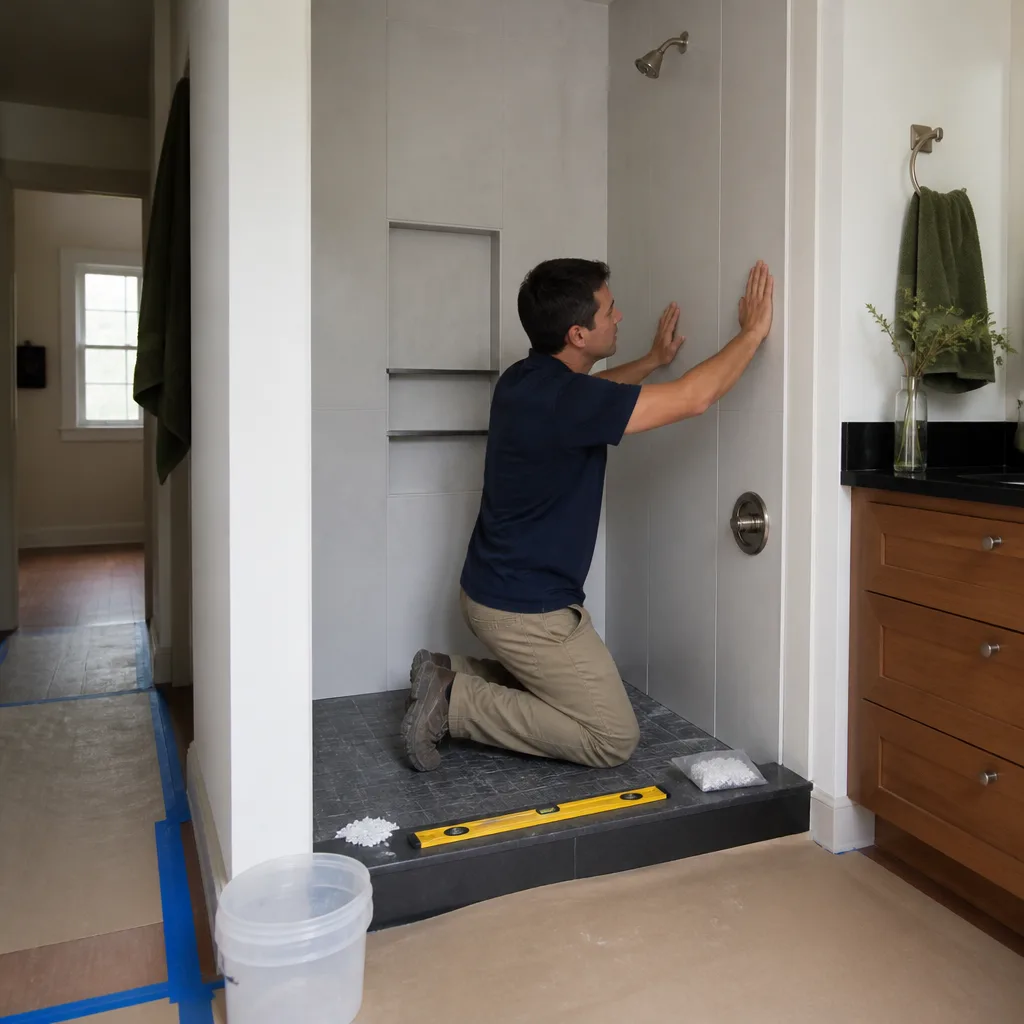
Most bathroom remodeling problems aren’t construction surprises. They’re documentation failures. The homeowner with a signed scope, dated photos, a written change order before work proceeds, and a written workmanship warranty has everything needed to turn a defect into a quick resolution. The homeowner without those has a dispute. Categorizing the problem by root cause (pre-existing condition, workmanship defect, material failure, or scope creep) tells you who to contact, what to ask for, and how long to wait. And in McKinney, where older cast-iron drain lines and previous DIY tile work are common hidden conditions, the protocol for handling changes is the single largest determinant of how the project goes. If you’re planning a bathroom remodeling in McKinney, get the written scope, the written change order protocol, and the written warranty in hand before demolition starts.
Call (844) 834-0609 for a free estimate. Live person on the line, written price before any work, and the 365-Day Done Right Promise on every completed project.
Written by the team at Bradford Remodeling Co McKinney.
See the difference
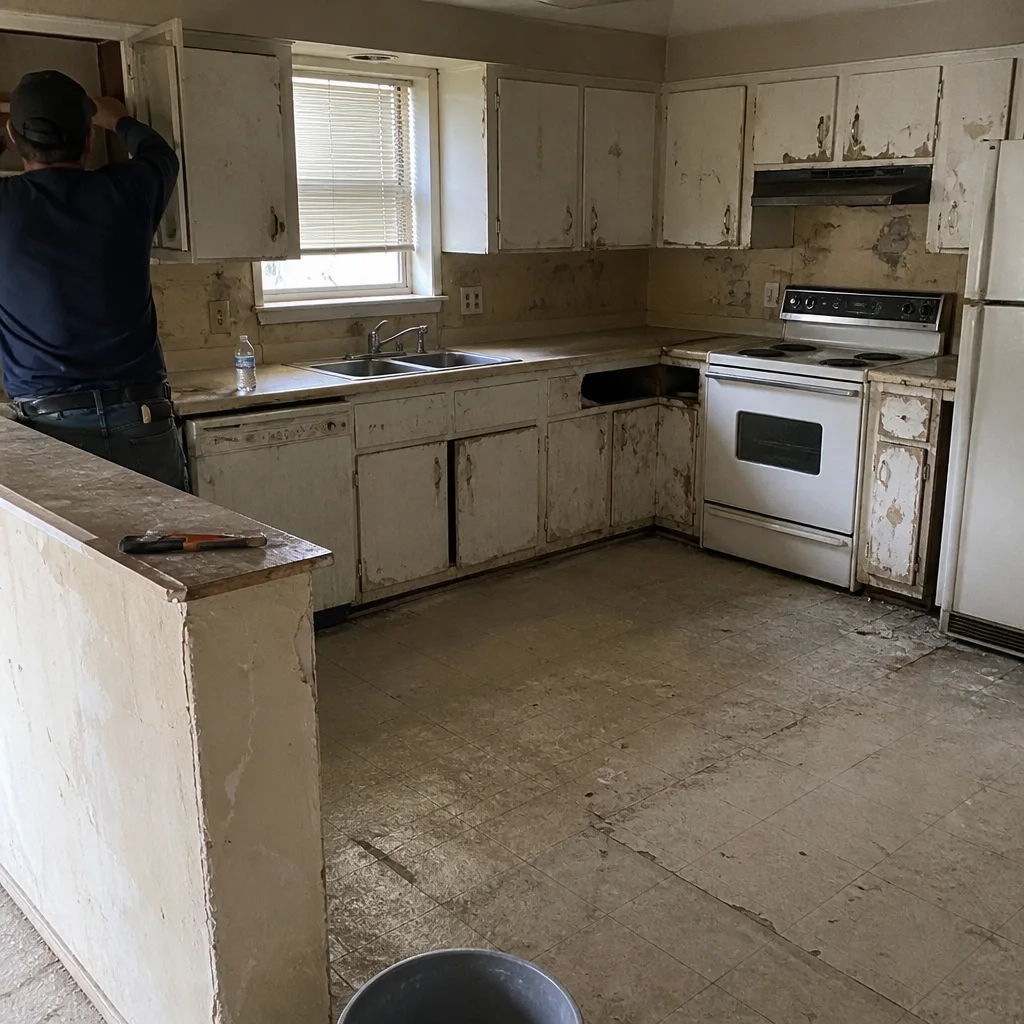 Before
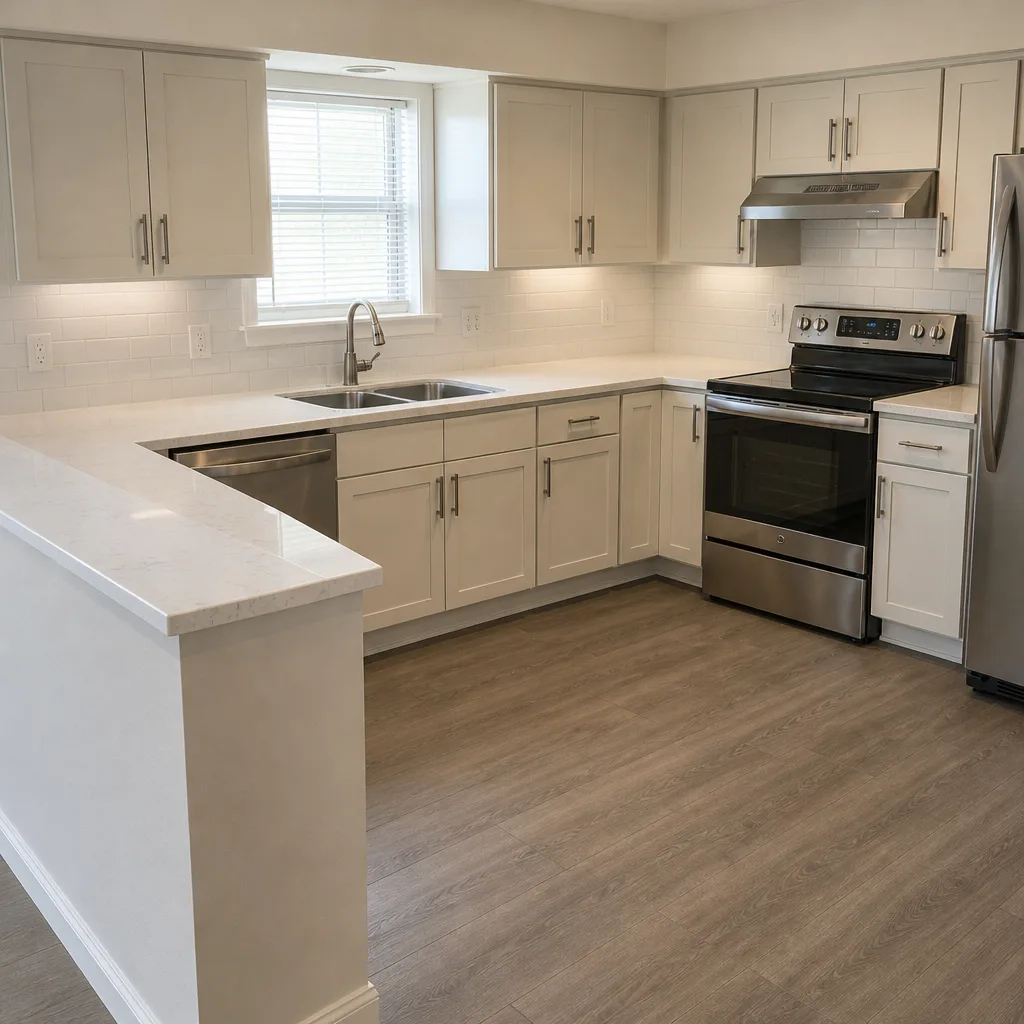 After
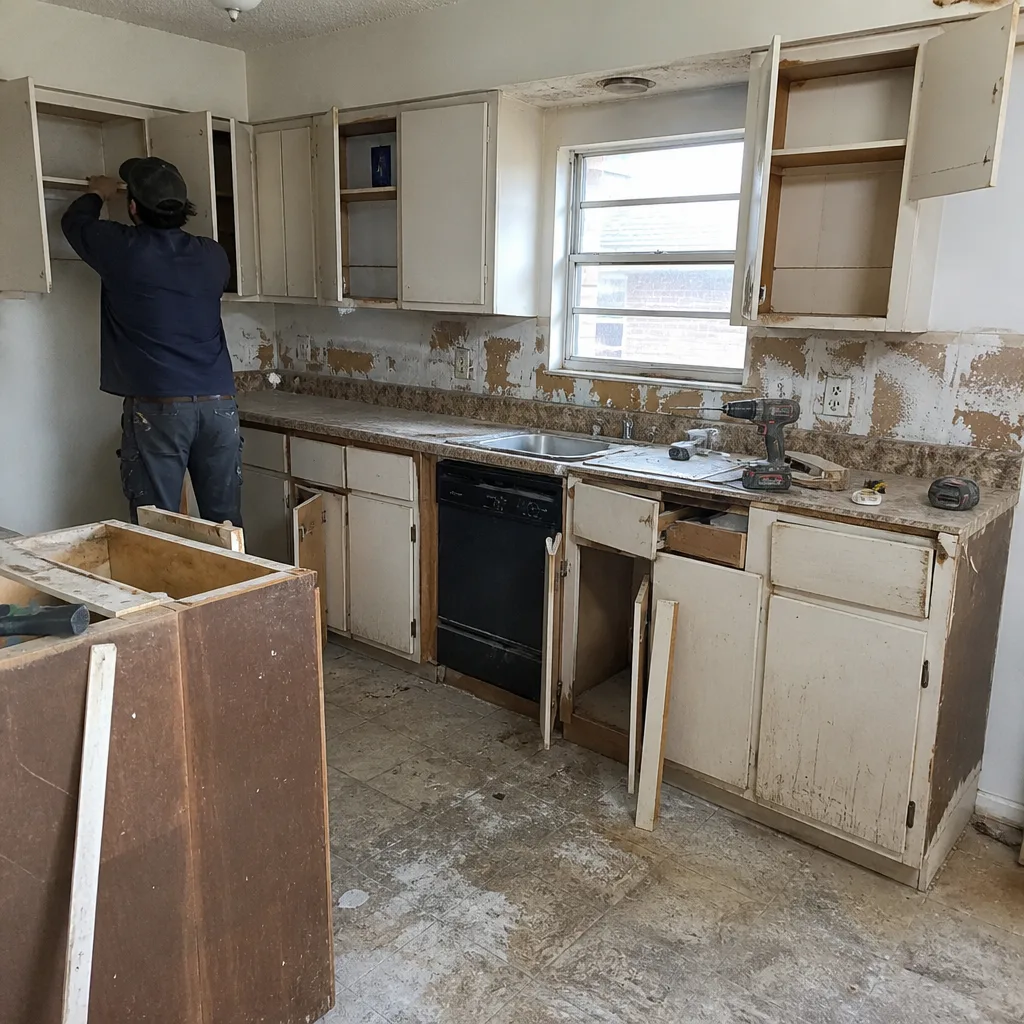 Before
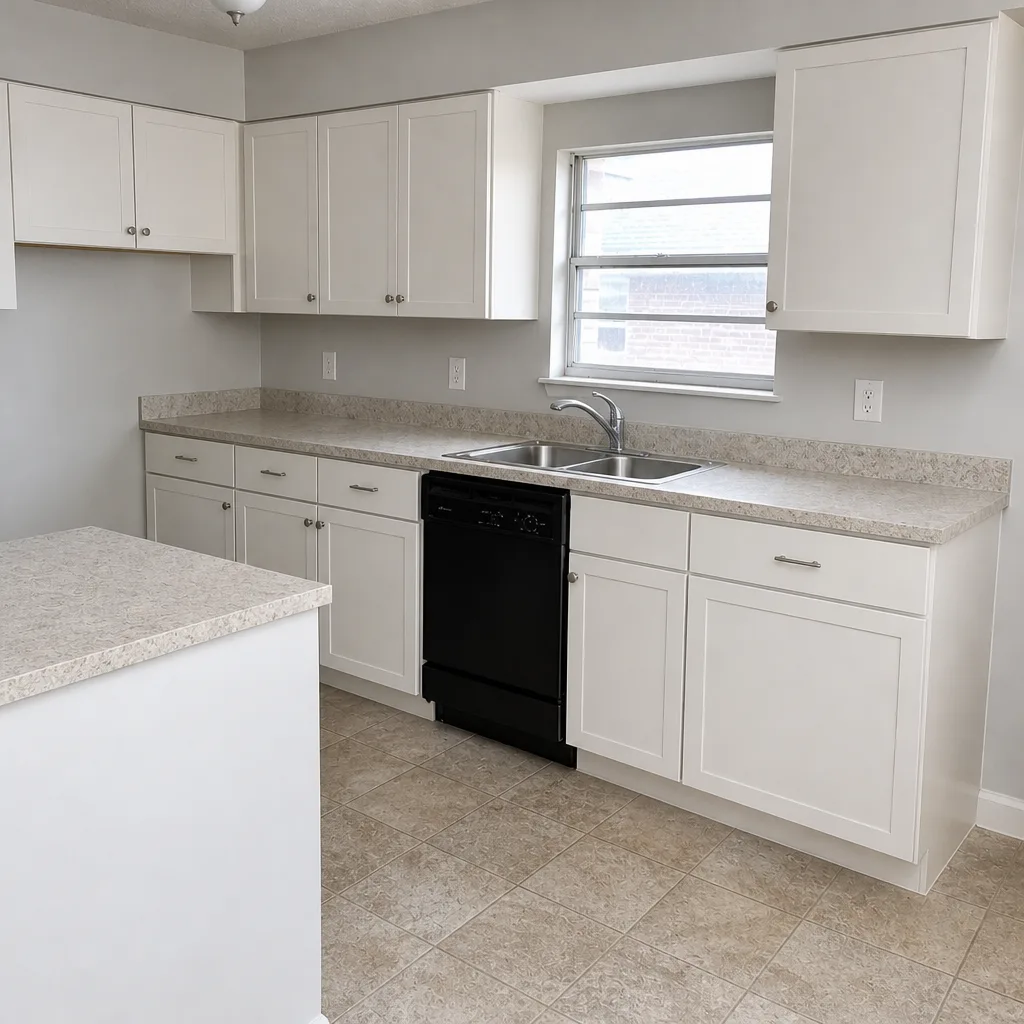 After
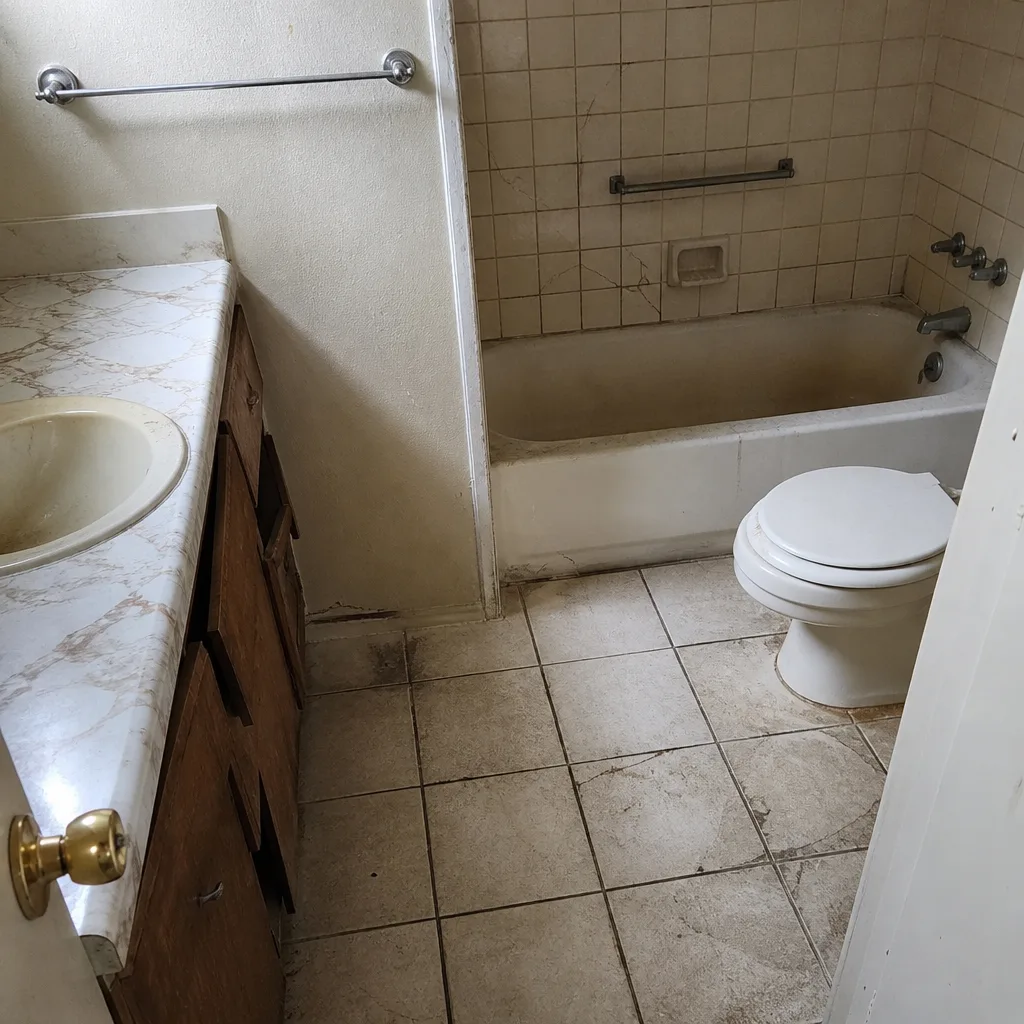 Before
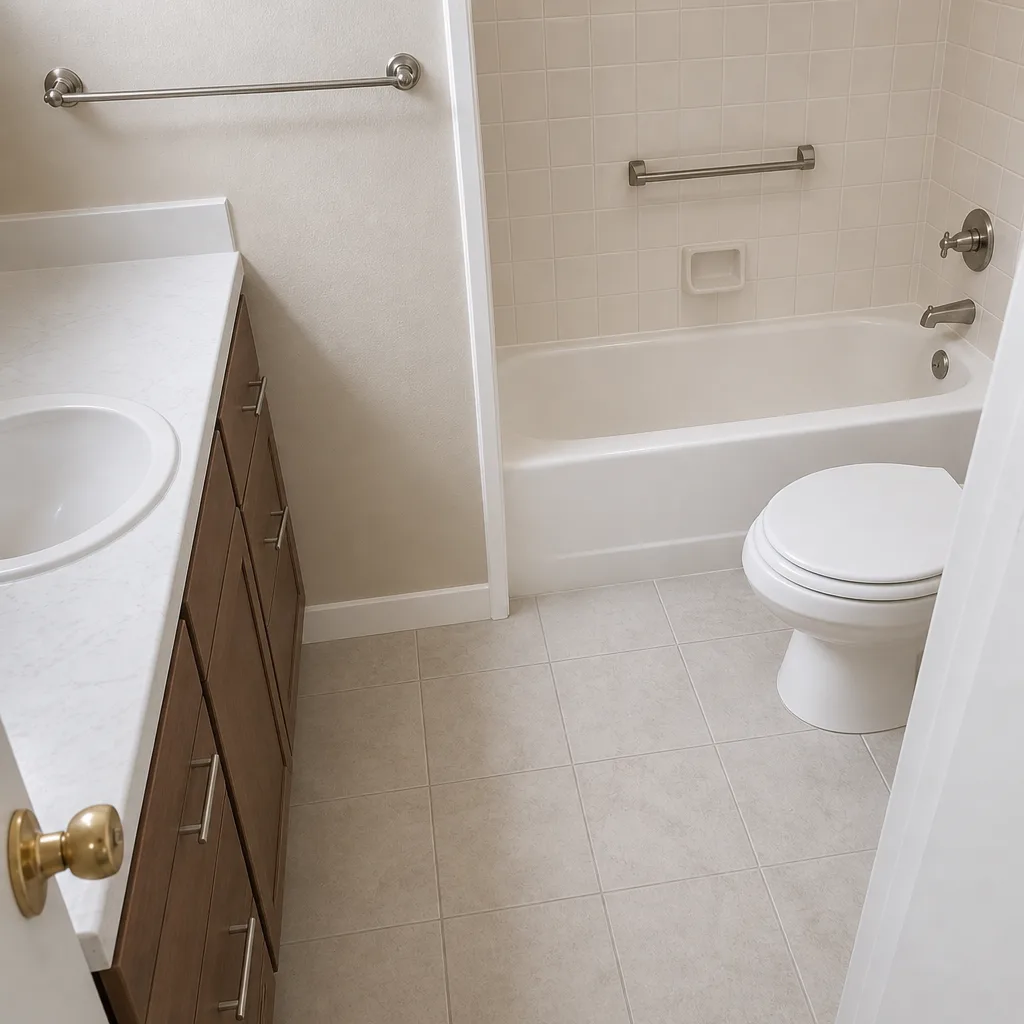 After