Last updated November 18, 2026





Free written scope consultation - allowances, timeline, and change-order rules on paper before a single trade is scheduled
The Complete Bathroom Remodeling Guide for McKinney Homeowners
Most bathroom remodeling guides are written for a national audience, and it shows. They talk about “typical” permit rules and “average” costs that don’t match what happens on a slab-on-grade lot off Eldorado Parkway or in an older home near the historic downtown square. Here’s the counterintuitive part: the tile and the fixtures are rarely what sinks a McKinney bathroom project. The delays come from the permit sequence, the waterproofing decisions, and the material picks that don’t survive a North Texas humidity swing. This guide covers all three, scoped to this city, so you can price the job and vet the contractor with your eyes open.
Quick Answer
A bathroom remodel in McKinney typically runs $14,000 to $32,000 for a full gut-and-rebuild of a standard hall or primary bath, with cosmetic refreshes landing between $6,000 and $11,000. Most bathroom work that moves plumbing, adds a fixture, or changes a wall triggers a city permit and a rough-in inspection before tile goes up. The single biggest schedule risk is booking trades before that rough-in sign-off, which is how homeowners end up staring at a half-tiled shower for weeks.
Styles & brands we work with
- Kitchen remodeling
- Bathroom remodeling
- Home additions & ADU
- Roofing
- Windows & doors
- Driveway & pavers
- Fence
Table of Contents
- What Permits Does a McKinney Bathroom Remodel Need?
- The Inspection Sequence, Step by Step
- Waterproofing for North Texas Humidity and Slab Construction
- What a McKinney Bathroom Remodel Actually Costs
- Vetting a Collin County Contractor
- Staging the Job in a One-Bathroom House
- Materials That Hold Up in a McKinney Climate
What Permits Does a McKinney Bathroom Remodel Need?
McKinney requires a residential building permit when bathroom work involves moving or adding plumbing fixtures, relocating or removing walls, adding or moving electrical circuits, or changing the mechanical system. A straight cosmetic swap – paint, a vanity top, a new toilet in the same location – usually does not. The dividing line is code compliance: anything that touches the plumbing rough-in, the framing, or the electrical panel needs an inspection before it gets covered up.
What trips people up is timing. McKinney’s population growth means the city’s permit office is processing more residential remodel applications than it did a decade ago, and review queues reflect that volume. Plan on a review window measured in business days, not hours, and build that window into the schedule before you order tile or book a tile setter.
Three things drive the permit decision in McKinney:
- Plumbing relocation. Moving a drain, adding a second sink, or converting a tub to a walk-in shower all change the rough-in and require inspection.
- Wall changes. Removing or adding a partition wall, even a short pony wall, can touch framing and sometimes structural review.
- Electrical and mechanical. Adding a dedicated circuit for a heated floor, a new exhaust fan, or a relocated outlet means an electrical inspection.
A by-the-book contractor pulls the permit in the homeowner’s name with the contractor listed, posts it on site, and schedules inspections in the correct order. If a remodeler suggests skipping the permit to “save time,” that’s your signal to walk. Unpermitted work surfaces at resale and can force a homeowner to open finished walls later.
The Inspection Sequence, Step by Step
Here’s the sequence a compliant McKinney bathroom remodel follows. The order matters because each inspection has to pass before the next trade can cover the work.
- Permit application and plan review. Submit scope, fixture locations, and any framing changes. This is the review queue window.
- Demolition and framing inspection. Once walls are open and any framing is complete, the inspector confirms the structure before rough-in begins.
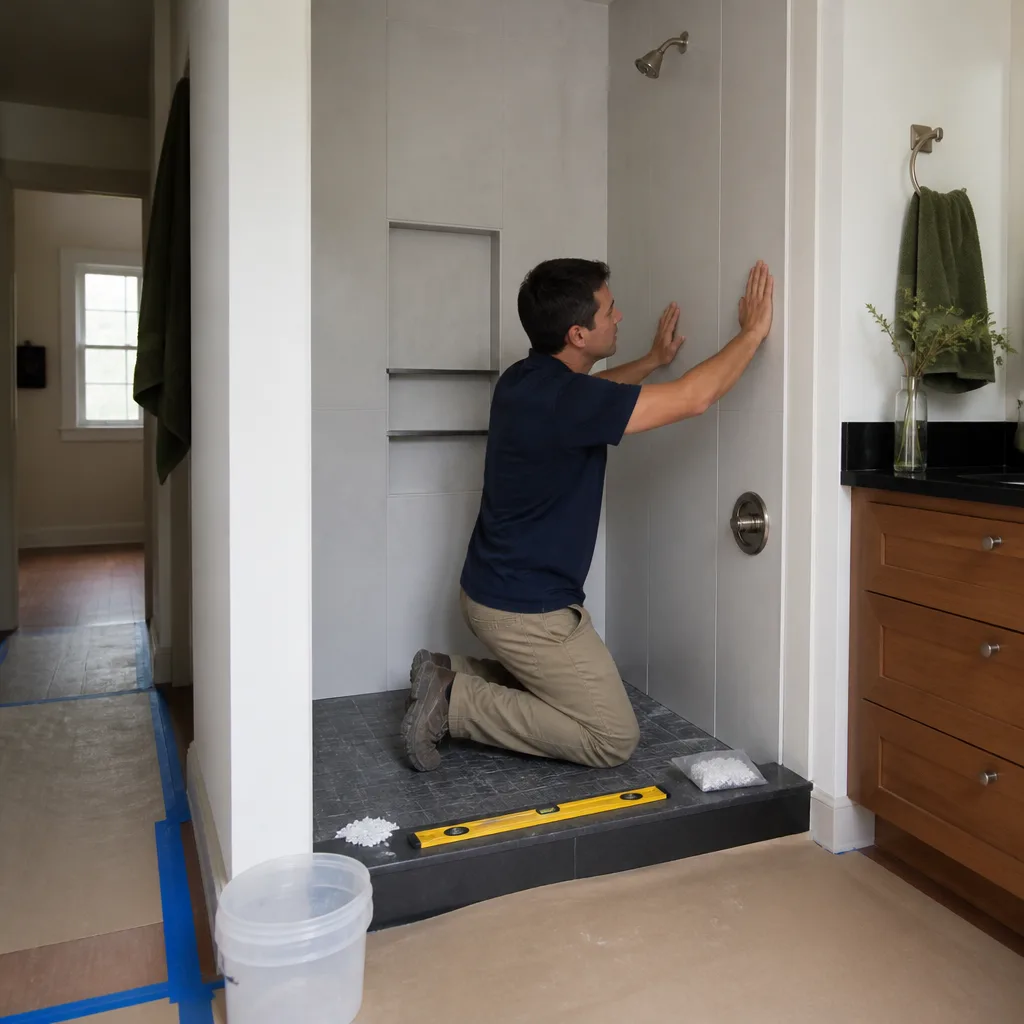
- Rough-in inspection. Plumbing lines, drain slopes, and electrical runs get checked while the walls are still open. This is the gate that most DIY schedules miss.
- Waterproofing and backing inspection. Where local practice calls for it, the shower pan and wall substrate are checked before tile.
- Tile, fixtures, and finish. Only after rough-in and waterproofing sign-offs does the finish work proceed.
- Final inspection. Everything is checked against the permitted scope, and the job closes out.
The mistake we see most often is a homeowner who books the tile crew for the week after demo. Rough-in is rarely done by then, and the tile setter either sits idle or, worse, starts over work that hasn’t been inspected. Coordinate the tile date against the rough-in pass, not against the calendar.
Waterproofing for North Texas Humidity and Slab Construction
McKinney sits on expansive clay soil and builds almost entirely slab-on-grade, and both facts change how a shower should be waterproofed. The humidity here swings hard between a wet spring and a dry, baking August, and a slab moves with that moisture cycle. A shower pan that’s bonded rigidly to a moving slab is a shower pan that wants to crack. The fix is a proper cleavage membrane and a flexible, sheet-applied or liquid-applied waterproofing layer that accommodates minor movement.
In our experience, the moisture problem in this climate is less about the shower and more about the room. A bathroom with an undersized or poorly vented exhaust fan traps humid air, and that humid air finds the coldest surface – usually the exterior wall behind the tile. Over a couple of seasons you get efflorescence, then grout failure, then a soft spot in the drywall.
What a North Texas bathroom needs:
- A correctly sized exhaust fan vented to the exterior, not into the attic, running long enough to clear the room after every shower.
- Cement board or a foam substrate in wet zones – never standard drywall behind tile in a shower.
- A sloped shower pan with proper pre-slope so water moves to the drain instead of pooling.
- Flexible waterproofing that tolerates slab movement rather than fighting it.
That last point is where cheap bids save money. Cutting the waterproofing detail saves a few hundred dollars and costs thousands when the shower fails in year three.
What a McKinney Bathroom Remodel Actually Costs
National averages don’t help you budget in McKinney, because labor rates and material availability here are their own market. Below are realistic ranges for a standard hall bath or primary bath, broken into labor and material so you can see where the money actually goes. These are Cheney-area and west McKinney ranges for mid-grade finishes; a luxury primary bath with a curbless shower, freestanding tub, and premium surfaces runs higher.
- Demolition and haul-off: $800 – $2,000 (labor)
- Rough-in plumbing: $1,500 – $4,500 (labor + pipe and fittings)
- Electrical and exhaust: $900 – $2,200 (labor + fixtures)
- Waterproofing and substrate: $1,200 – $3,000 (labor + membrane and board)
- Tile labor: $2,500 – $6,500 (labor only)
- Tile and setting materials: $1,200 – $4,800 (material)
- Cabinetry and vanity: $1,800 – $6,000 (material)
- Fixtures – sink, faucet, shower trim, toilet: $1,000 – $4,000 (material)
- Countertop surface: $700 – $2,500 (material)
- Paint, trim, and finishing: $600 – $1,800 (labor + material)
The labor-versus-material split usually lands near 50/50 on a mid-grade job, and it tilts toward labor on a gut rebuild with complex tile. A written, line-item price before work starts is the only way to know what’s actually in the number. If a contractor won’t put the breakdown in writing, the price isn’t real yet.
Vetting a Collin County Contractor
Texas requires remodelers doing residential work to be registered with the Texas Department of Licensing and Regulation (TDLR) as a Residential Remodeler, and some trades – electricians, plumbers – hold separate state licenses. Verifying that registration through TDLR’s public lookup takes minutes and tells you whether the entity on the contract is the same entity on the license. Beyond the registration, here’s what a compliant contract and a vetted crew look like in Collin County:
- Confirm the TDLR registration for the company name that appears on the bid.
- Require a certificate of liability insurance and a general liability minimum that fits a remodel of this size – expect at least $1 million per occurrence.
- Get a written contract under Texas Property Code that lists scope, materials with brand and model, payment schedule tied to milestones, and a clear statement of the guarantee.
- Verify who comes to the door. A disciplined contractor uses background-checked, uniformed technicians so you know exactly who has access to your home.
- Get the guarantee in writing. A full-year written guarantee – we call ours the 365-Day Done Right Promise – means Bradford returns and corrects any work that fails within that window at no charge to the homeowner.
Use the same diligence on the whole job. A general contractor in McKinney who holds themselves to The Garrison Standard puts the price and the guarantee in writing before a single tool comes out, and that’s the standard to hold every bidder against.
Staging the Job in a One-Bathroom House
The hardest part of a bathroom remodel isn’t the work – it’s the weeks when you don’t have a working toilet or shower. In a single-bath household, the schedule has to protect function, not just progress. We’ve seen families move into a hotel for three weeks because nobody sequenced the phases to keep a toilet available.
The fix is staging the job in phases that preserve one working fixture as long as possible:
- Week 1 – Demo and rough-in. The toilet and shower come out together only if the plumbing relocation is confirmed and the replacement is quick. Otherwise keep the toilet until rough-in passes.
- Week 2 – Waterproofing and tile. This is the longest stretch without a shower; plan on a tub or shower elsewhere.
- Week 3 – Cabinetry, fixtures, and finish. Toilet and sink go back in early in this phase so function returns before the cosmetic finish is complete.
Where the layout allows, a temporary toilet set at the existing flange keeps the household running through demo week. Ask about it upfront. On a two-bath home the pressure is off, but a single-bath schedule is a planning conversation that should happen before the first day, not on day three.
Materials That Hold Up in a McKinney Climate
Material choice in this climate is about moisture tolerance and thermal movement. McKinney’s summers push tile and stone through temperature swings, and its clay soil moves the slab under the floor, so rigid materials need to be installed with the right substrate and the right setting products. The brands that hold up and that we specify on our jobs come from a documented roster – KraftMaid and Wellborn cabinetry, Cambria and Caesarstone surfaces, Kohler and Moen fixtures – because those brands publish manufacturer specs and warranties that back our own guarantee.
A few picks that work here:
- Porcelain over natural stone in wet zones – porcelain tolerates moisture and temperature better and needs less sealing.
- Quartz surfaces like Cambria or Caesarstone on the vanity – non-porous, and they don’t stain or swell in a humid room.
- Name-brand fixtures from Kohler or Moen – replacement parts are available for years, which matters when a cartridge fails.
- Cabinetry rated for bath humidity like KraftMaid or Wellborn – moisture-resistant construction, not kitchen-grade particleboard.
Flooring outside the bathroom that ties to a larger scope is a separate decision. If pavers or hardscaping come into play on an exterior project, we spec Techo-Bloc and Cambridge Pavers for the same reason – documented specs behind the finish.
Common Mistakes to Avoid
- Skipping the permit to save a review window. The short-term gain becomes a permanent question at resale when the county asks for the final inspection record.
- Booking tile before the rough-in sign-off. This is the single most common cause of the “half-tiled shower for three weeks” delay in McKinney.
- Cutting the waterproofing detail to hit a bid. A few hundred dollars saved on membrane costs thousands when the shower leaks into a slab.
- Venting the exhaust fan into the attic. It’s cheaper, and it dumps humidity into your attic to find the coldest surface – usually the back of your tile.
- Choosing a bidder on price alone. The lowest number is often the one that grows at the door or leaves the job unfinished.
- Skipping the TDLR lookup. A contractor who isn’t registered shouldn’t be on the contract, and that check takes minutes.
- Not protecting the single bathroom in a one-bath house. Sequence the toilet and sink to return early, or you’ll be in a hotel longer than you planned.
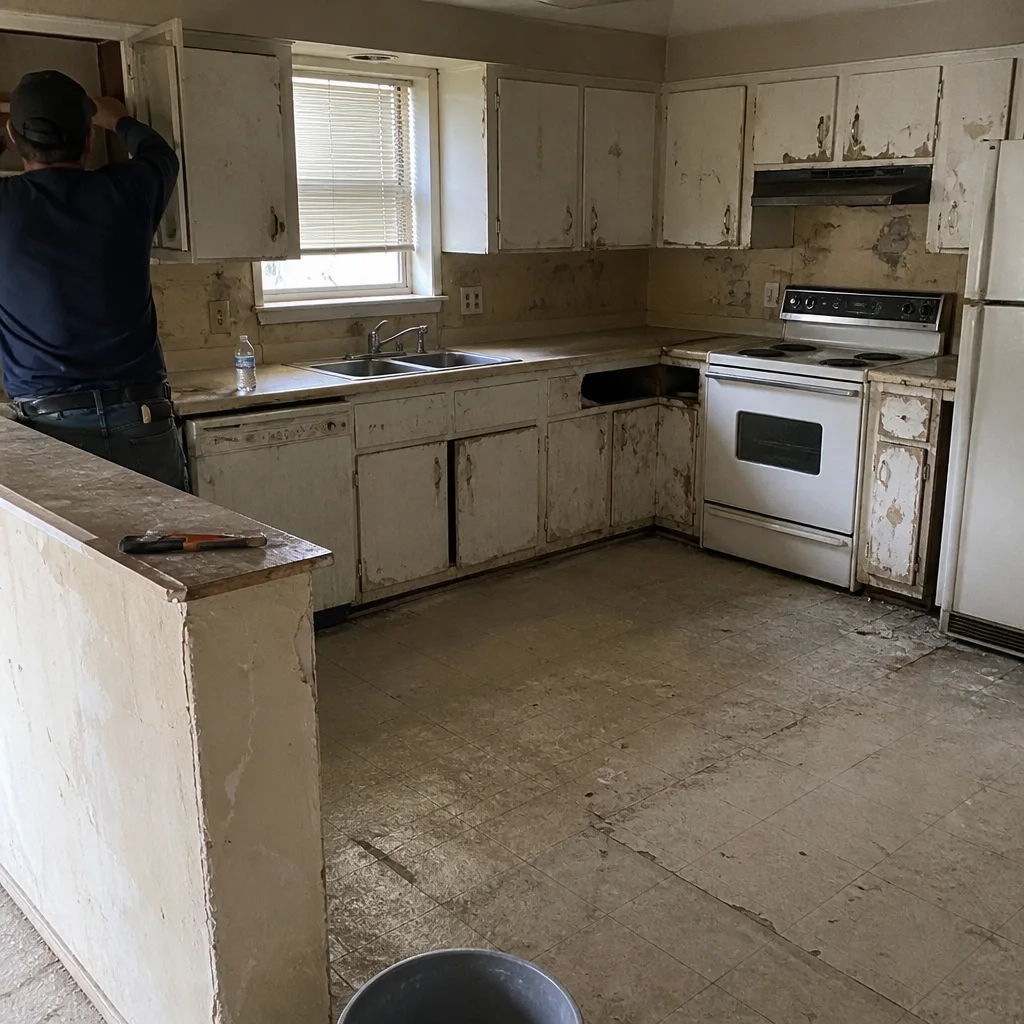
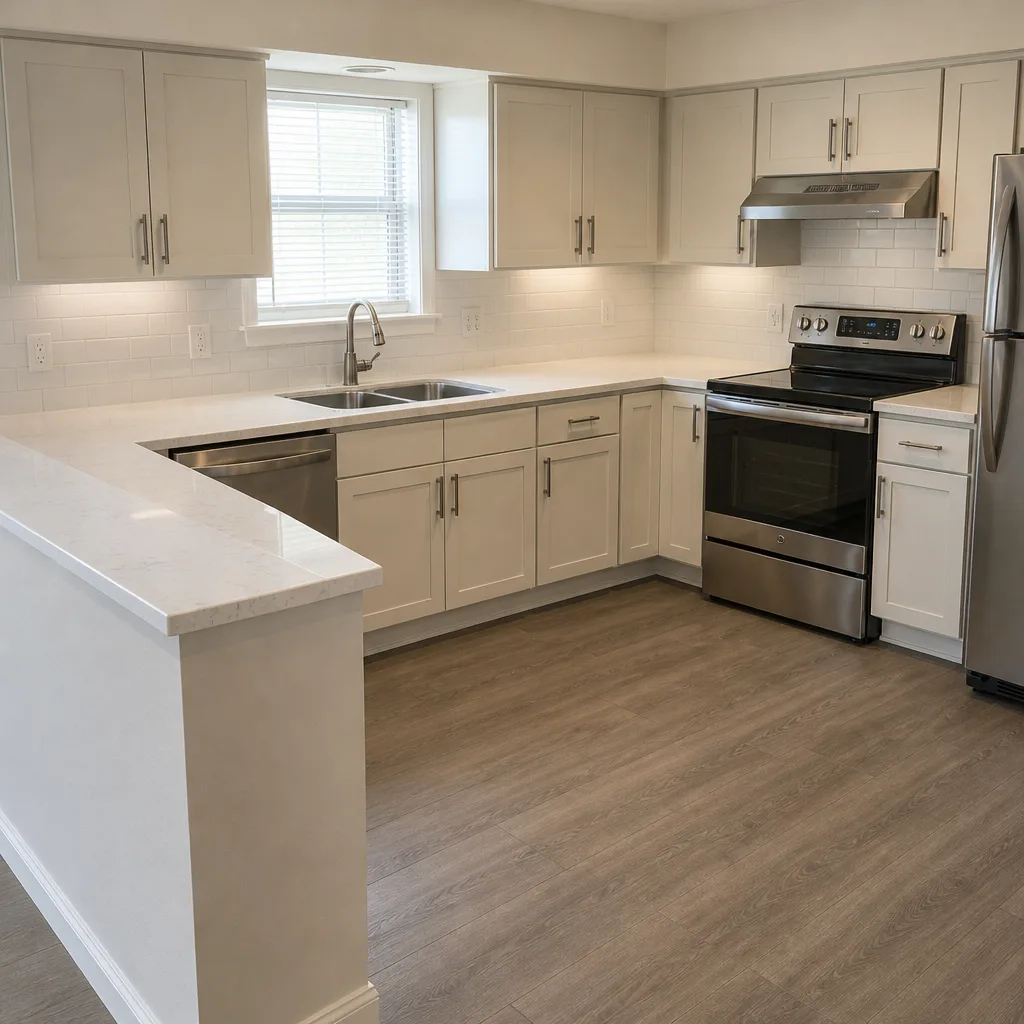
See the difference
 Before
 After
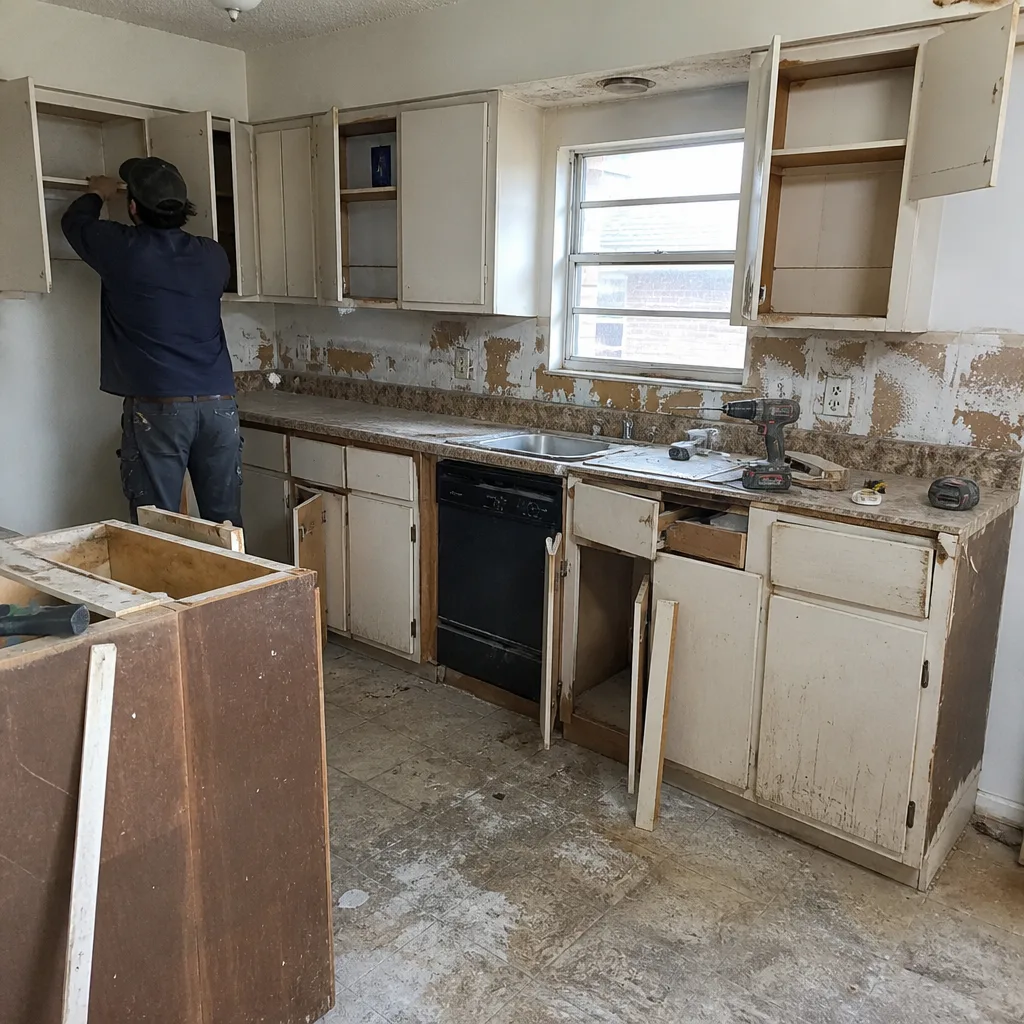 Before
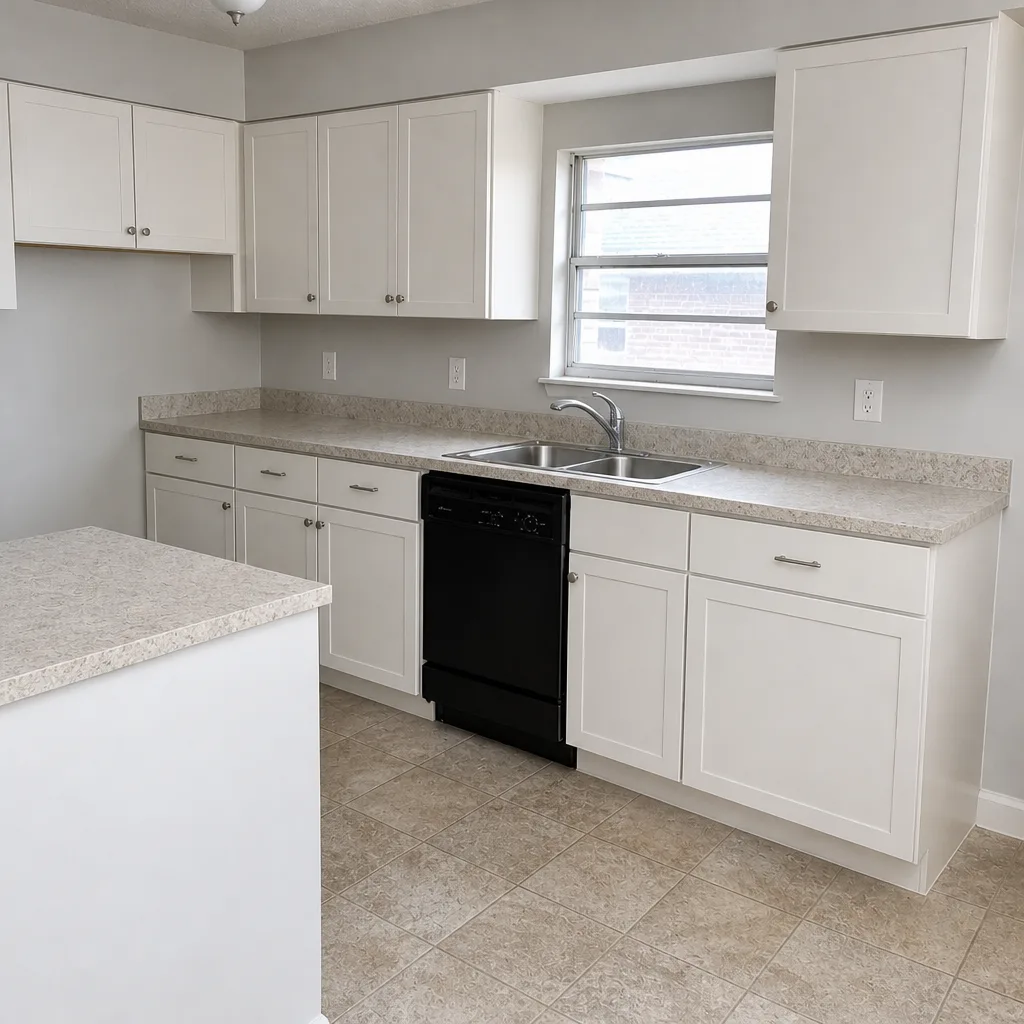 After
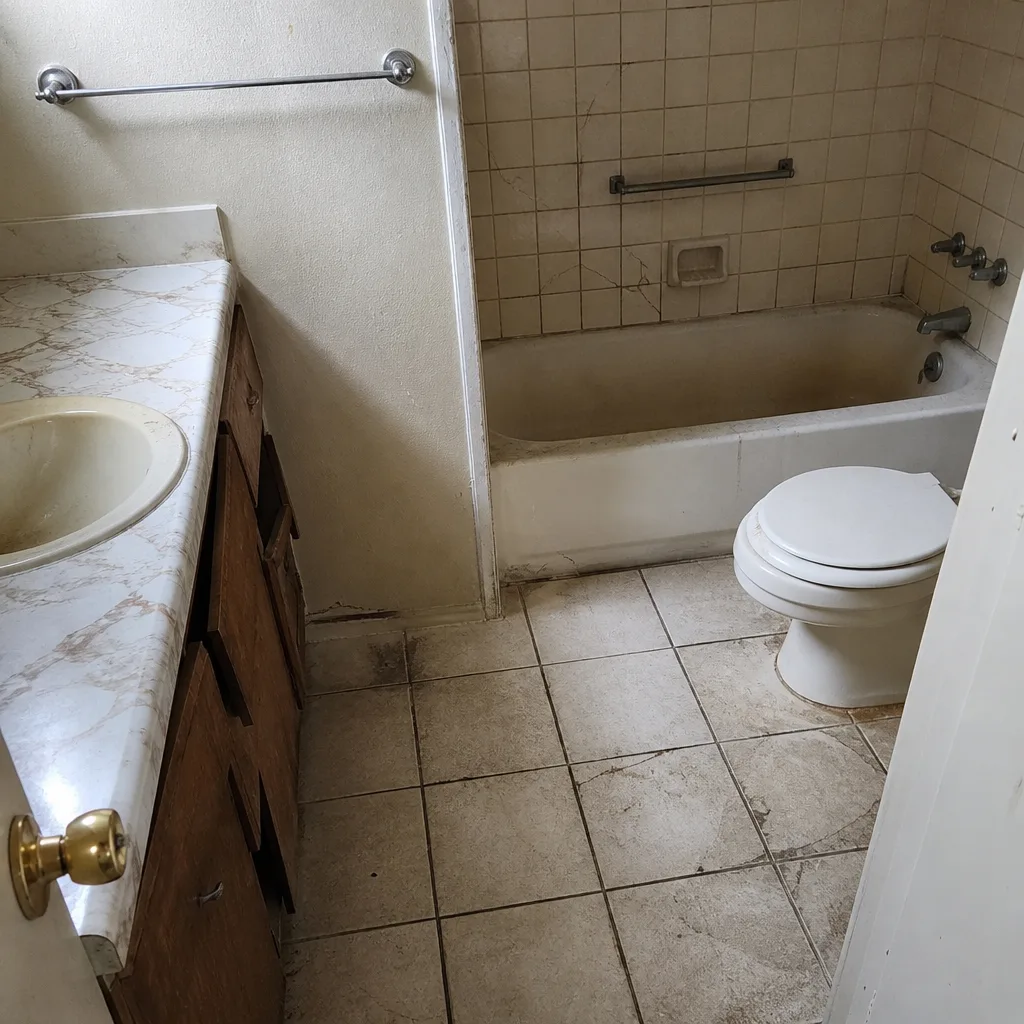 Before
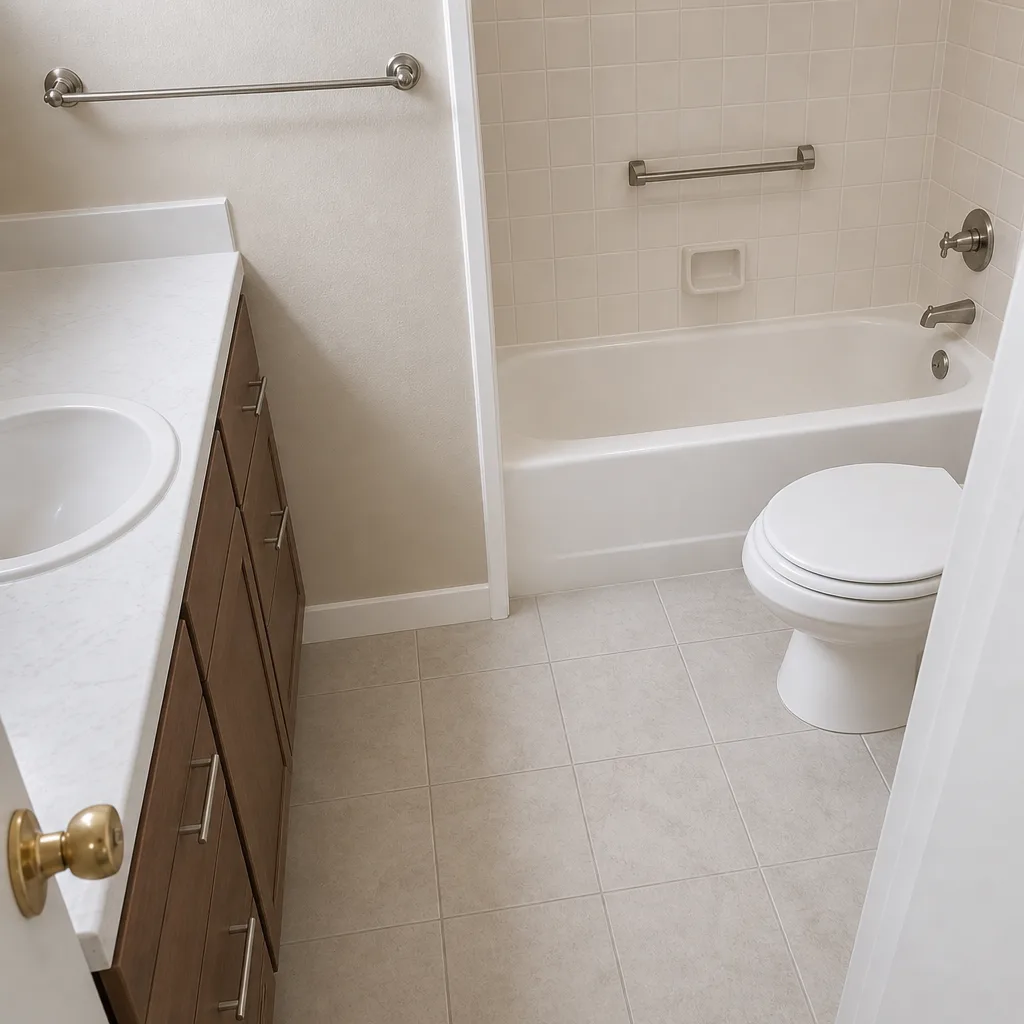 After
When to Call a Professional
Call a professional when the remodel moves plumbing, touches the framing or electrical panel, or requires a permit and inspection sequence you don’t want to manage yourself. Call when water has already found a soft spot – a spongy subfloor or efflorescence on the tile is not a cosmetic fix. Call when the job needs a written guarantee that outlasts the final invoice.
Bradford Remodeling Co McKinney offers free estimates in McKinney – call (844) 834-0609. Our technicians have up to 22 years of experience, we’re background-checked and uniformed, and every job comes with a written price before work starts and a 365-Day Done Right Promise behind it. A live person answers the phone, not a voicemail queue.
Frequently Asked Questions
Yes, if the work moves or adds plumbing, changes walls or framing, or adds electrical work – those trigger a residential building permit and inspections. Cosmetic updates like paint and a vanity swap in the same location typically don’t. When in doubt, ask before demo, not after.
A full hall or primary bath rebuild runs roughly $14,000 to $32,000, with cosmetic refreshes around $6,000 to $11,000. Labor and material usually split near 50/50. Call (844) 834-0609 for an exact quote – estimates are free.
A standard hall bath takes about three to four weeks; a primary bath with layout changes runs five to seven. The permit review window is the wildcard, so a realistic schedule builds it in. Call for a scope-based timeline – we’ll put it in writing.
Not on our jobs. We put the price in writing before work begins, with no numbers that move at the door. If the scope changes at your request, the change is priced in writing before we do it.
Every completed project carries a full-year written guarantee. If the work fails inside that window, we come back and correct it at no charge. The terms are in writing in your contract before the first day.
Check the company’s TDLR Residential Remodeler registration through the state lookup, ask for a certificate of liability insurance, and insist on a written contract that lists scope, materials, and the guarantee. A contractor who hesitates on any of those is a contractor to skip.
The Bottom Line
McKinney bathroom remodels succeed or fail on three details the tile catalog won’t tell you: the permit sequence, the waterproofing that accounts for clay soil and humidity, and a vetted contractor with a written guarantee. Get those three right and the price and schedule hold. Skip them and the shower sits half-tiled while you wait on a rough-in sign-off. If you’d rather hand the whole sequence to a crew that runs on discipline and puts the price and the guarantee in writing before the first tool comes out, we’re ready. Learn more about our general contractor work in McKinney or explore kitchen remodeling in McKinney if the scope is expanding.
To start, call (844) 834-0609 for a free estimate. We’ll walk the bath, talk through the scope, and hand you a written number you can compare against any other bid – no pressure, no numbers that move at the door. You can also read more about Bradford Remodeling Co McKinney and our bathroom remodeling in McKinney service before you call.
Written by the team at Bradford Remodeling Co McKinney.