Last updated November 18, 2026
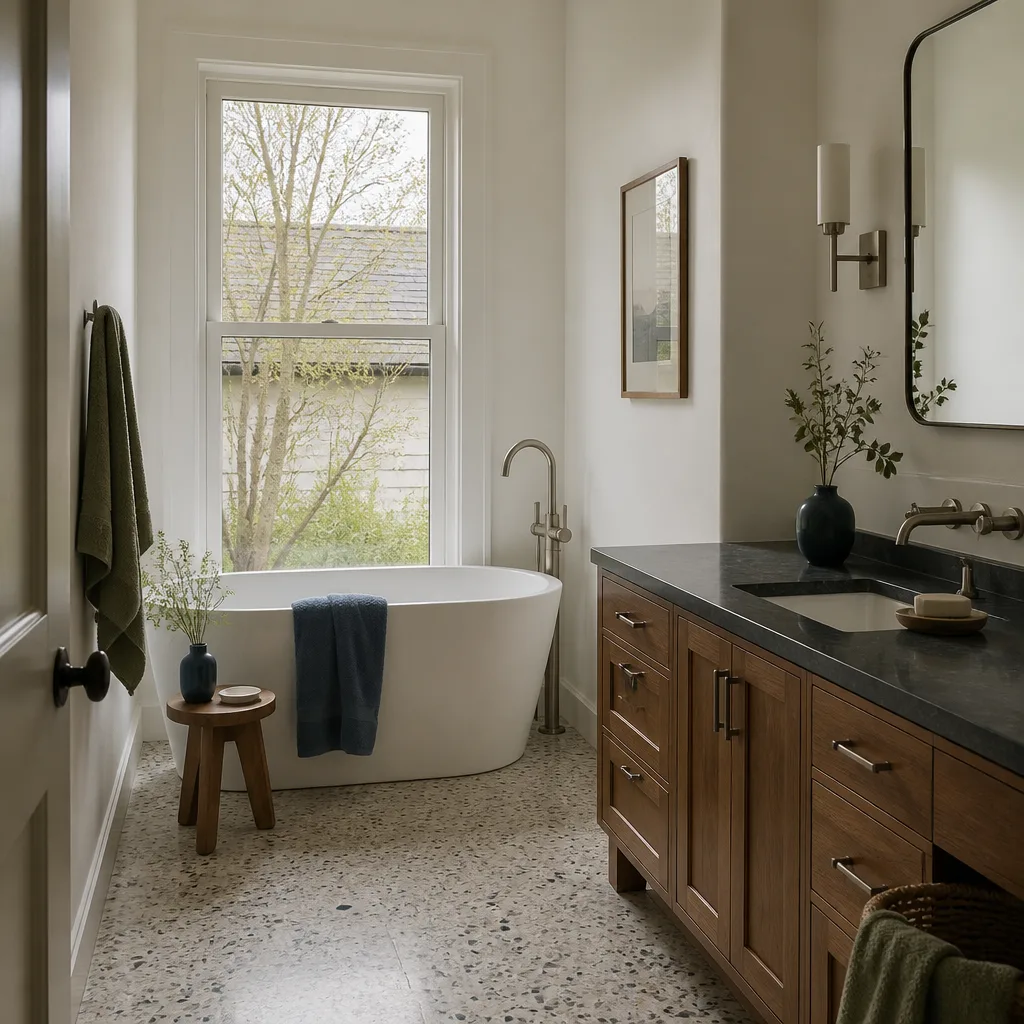
Free written scope consultation - allowances, timeline, and change-order rules on paper before a single trade is scheduled
Choosing the Right Construction Brand: A Buyer’s Guide for McKinney
James Hardie and LP SmartSide both carry strong national reputations. They’re also engineered to slightly different moisture and temperature profiles. In McKinney’s particular climate – high UV load, hard thermal cycling, low sustained humidity – the better choice usually comes down to which wall faces the sun, not which brand your contractor prefers to install. That gap between marketing and engineering is where most material decisions go wrong. This guide evaluates products against North Texas conditions: Collin County hail, 110°F summer afternoons, expansive clay soils, and the west-facing walls that take the worst of it. You’ll learn what to ask, what to cross-check, and where the real failure points sit.
Quick Answer
The best construction material brands in McKinney, TX are the ones whose published specs match local conditions: Class 4 impact-rated roofing for Collin County hail, fiber cement or engineered wood siding sized for thermal movement, windows with a solar heat gain coefficient matched to their orientation, and foundation systems designed by a Texas-licensed structural engineer for expansive clay. Brand reputation matters less than whether the product’s warranty and engineering data survive McKinney’s heat, hail, and soil. Match the spec to the condition and the brand decision usually makes itself.
Styles & brands we work with
- Kitchen remodeling
- Bathroom remodeling
- Home additions & ADU
- Roofing
- Windows & doors
- Driveway & pavers
- Fence
Table of Contents
- Roofing brands and Collin County hail
- Siding: fiber cement vs. engineered wood vs. vinyl in McKinney heat
- Foundation systems: what an engineer checks vs. what a salesperson pitches
- Windows and doors: solar heat gain and frame tolerances
- Reading a manufacturer’s warranty against Texas conditions
- Exterior fencing and gate brands
- What McKinney’s housing stock tells you about brand fit
How Do You Judge Roofing Brands Against Collin County Hail?
You judge a roofing brand in McKinney by its impact rating first, not its shingle color lineup. Collin County sits in one of the most active hail corridors in the country, and the difference between a Class 3 and Class 4 shingle is the difference between a roof that survives a two-inch stone at 70 mph and one that needs replacing. Class 4 is the highest impact rating under the UL 2218 standard: a steel ball dropped from a set height onto a shingle specimen, four times, at two different temperatures. A Class 4 shingle takes the hit without cracking the mat.
What homebuyers often miss is that Class 4 doesn’t automatically lower every premium in Texas. Insurers file their own discount schedules, and some carriers credit Class 4 rated shingles or a full Class 4 roof system (underlayment included) while others credit little. Ask your carrier in writing which product qualifies. That single phone call can matter more than brand choice.
On the brand side, look for these:
- A published impact rating tied to a specific product line, not a general “impact resistant” badge on the company website.
- Manufacturer certification of the local installer. GAF, CertainTeed, and Owens Corning all run contractor programs; certification affects whether the manufacturer’s own warranty extension applies.
- Algae resistance (copper-infused granules). Humid spring spells in McKinney grow streaking on north-facing slopes fast.
- Wind rating matched to a 110+ mph spec, which many Collin County jurisdictions now require for new roofs.
If you’re scheduling a full roof as part of a larger remodel, our General Contractor in McKinney team sequences roofing before exterior finishes so the two specifications don’t fight each other.
Siding Performance in McKinney’s Climate: Fiber Cement vs. Engineered Wood vs. Vinyl
The siding question in McKinney isn’t “which brand is best” – it’s “which material absorbs thermal movement without tearing at the caulk joints.” A west-facing wall here regularly sees surface temps well above ambient. A 12-foot fiber cement board expands and contracts across a daily swing that would be mild in Seattle and severe here. The material at the joint either moves with the wall or splits.
Here’s the comparison that actually matters:
- Fiber cement (James Hardie, etc.): Holds paint well, resists rot, and won’t melt or warp in heat. Its weak point in McKinney is caulk joint failure at butt joints and corners as the board moves. Correct installation uses the manufacturer’s specified clearances, backer rod, and elastomeric sealant, not a bead of painter’s caulk. Nailed per the published pattern, it performs for decades.
- Engineered wood (LP SmartSide and similar): Lighter, easier to cut, strong warranty story. The engineered strand substrate handles thermal movement well, but end grain and cut edges are the moisture entry points. Every field cut needs treatment with the manufacturer’s edge sealer or that warranty clause gets voided.
- Vinyl: Cheapest entry, but in sustained 100°F+ heat it expands and contracts noticeably. Dark vinyl colors can sag, and the material is more vulnerable to impact cracking than either fiber cement or engineered wood. In a hail-prone market, that’s a maintenance expense waiting to happen.
Our experience on McKinney remodels lines up with the engineering: fiber cement failures we’ve seen were almost all fastener or sealant problems, not product problems. The brand mattered less than whether the installer read the installation manual. For a full exterior scope, siding typically bundles into the larger Bradford Remodeling Co McKinney home project plan.
Foundation Repair: What a Texas-Licensed Structural Engineer Checks vs. What a Salesperson Pitches
Foundation work in McKinney starts with a licensed professional engineer’s report, and that report – not a sales presentation – should drive which pier system you buy. Collin County soils move. The expansive clay beneath much of McKinney swells with wet spring weather and shrinks during summer dry spells, and that cycle produces the differential movement that cracks brick veneer, binds doors, and telegraphs through drywall corners.
Here’s how to tell an engineered recommendation from a pitch:
- Ask for the engineer’s report in writing. It should identify the specific elevation differentials, soil behavior at your lot, and the recommended pier type, depth, and spacing. A salesperson who can’t produce this before you sign is selling a system, not a solution.
- Match pier type to soil depth. Steel push piers reach competent load-bearing strata; helical piers are often specified where soil conditions vary. Neither is universally “better” – the engineer’s soil data drives the decision.
- Check load transfer. The pier needs to transfer load to the structure above it, which means bracket design and connection detail, not just pier depth.
- Confirm the lift. A structural engineer specifies how much lift the foundation gets, because over-lifting causes as many problems as under-lifting. Ask for the maximum lift in the plan.
- Verify Texas licensing. Foundation repair contractors operating in Texas are regulated, and a professional engineer’s stamped report is the standard of care. Ask for the engineer’s seal.
Product brands in foundation work – pier manufacturers, bracket systems, soil injection materials – circle back to the engineering spec. The engineer’s report is the brand filter. Buy the plan, not the label.
How Do You Evaluate Window and Door Brands for McKinney’s Solar Heat Gain?
In McKinney, window brand evaluation is a solar heat gain coefficient (SHGC) exercise before it’s a brand exercise. SHGC measures how much of the sun’s heat passes through the glass as a fraction between 0 and 1; lower is better where the sun hits directly. A west-facing window in McKinney can bake a room from 4 p.m. to 8 p.m. for five months a year, and a low-SHGC pane on that wall does more for comfort than the brand name printed on the sash.
What to check, in order:
- SHGC orientation chart: South and west walls want the lowest SHGC the manufacturer offers (often 0.20-0.25 range for high-performance double-pane). North walls can use a higher SHGC for daylight without the cooling penalty.
- U-factor: Measures heat transfer through the whole window. Austin and Dallas markets get brutal cooling bills, and a lower U-factor helps on both heating and cooling.
- Frame material expansion tolerance: Vinyl frames expand with heat more than fiberglass or aluminum-clad wood. In McKinney’s sustained heat, cheap vinyl frames can develop gasket and seal problems sooner.
- Glass and warranty exclusions: Some manufacturers exclude seal failure from warranties in high-heat climates. Read the fine print before you choose.
Door brands follow the same logic. Therma-Tru entry systems are built for the swing and thermal loads a McKinney exterior door faces, and the same SHGC and frame-expansion questions apply. If your window upgrade sits inside a bigger renovation, our Kitchen Remodeling in McKinney team handles the window replacement sequencing alongside cabinetry and finish work.
How Do You Cross-Reference a Manufacturer’s Warranty Against Texas Conditions?
A “limited lifetime warranty” in McKinney construction materials usually limits more than it promises, and the limits are the part worth reading. Manufacturers build warranty language around the conditions they test in – and those aren’t Collin County’s conditions. A few patterns recur:
- Heat-climate exclusions. Some shingle, sealant, and window warranties void or reduce coverage when installation is in a climate exceeding a certain temperature threshold. Look for the phrase “high heat” or a climate zone reference in the exclusions section.
- Installation-specific conditions. Warranties on siding, roofing, and windows often hinge on the product being installed by the manufacturer’s certified contractor and per the published installation manual. Aesthetic and functional exclusions follow fast when installation deviates.
- Proration. “Lifetime” in the window and shingle world frequently means prorated coverage after the first 10-15 years, with labor excluded the entire time. Read what percentage of replacement product the manufacturer covers in year 15.
- Deductibles and claim triggers. Many warranties exclude damage from hail, wind above a certain rating, and acts of God, which in Collin County are the failures you actually care about. That’s why impact ratings for roofing belong on the spec sheet before purchase.
- Transfer clauses. Some warranties transfer to a new owner once; some not at all. If resale matters to you, check.
Our crews read these clauses before recommending a brand. That’s part of what The Garrison Standard requires: the client signs a written guarantee on the warranty before the job starts, so the terms are on the record.
Fencing and Gate Brands: The UV and Cycle Problem
Fencing in McKinney is a UV exposure problem first. Composite fencing brands that perform well in humid climates fail in North Texas because UV degradation, not moisture, drives the wear. Vinyl fencing (Bufftech is one widely installed line) holds color well but needs UV-stabilized formulation; cheaper vinyl chalks and dulls quickly in full sun. Metal fence manufacturers like Master Halco, Ameristar, and Jerith sit on the other end of the durability spectrum: powder-coated steel and aluminum handle the heat and hail without the expansion concerns of plastic.
Match the fence material to the run orientation. A west-facing privacy fence takes the hardest sun exposure of the day, so it decides the material for the whole job.
What Does McKinney’s Housing Stock Tell You About Brand Fit?
McKinney’s housing stock splits into three rough eras, and the material brand that fits depends on which one you’re in. Homes built in the 2000s and later in Stonebridge Ranch and Craig Ranch mostly carry builder-grade original materials – vinyl siding, 3-tab architectural shingles, standard builder windows – so the first major replacement decisions come with the house at 15-25 years old. Older homes closer to the historic downtown square and the older neighborhoods carry more wood siding, more masonry, and more original structural detail; brands that play well with existing material transitions matter more there.
For remodels, the material budget usually shakes out roughly like this in the McKinney market:
| Scope | Typical range | Brand note |
|---|---|---|
| Class 4 architectural shingle roof, 30 square | $12,000-$20,000 | Certified installer required for warranty |
| Fiber cement siding, 2,000 sq ft exterior | $14,000-$24,000 | Installation quality drives warranty |
| Whole-home window replacement, 15-20 units | $12,000-$25,000 | SHGC and U-factor per orientation |
| Foundation pier system, 12-16 piers | $9,000-$18,000 | Engineer’s report required before quote |
| Kitchen material package (cabinetry, counters, fixtures) | $18,000-$45,000 | KraftMaid, Wellborn, Cambria, Caesarstone |
Whole-home remodels in McKinney that require trade-specific coordination – rough-in, substrate, soffit, and finish sequencing – run through our Bathroom Remodeling in McKinney team when the entry bath or primary bath replacement kicks off the project.
Common Mistakes to Avoid
- Choosing brands by national reputation only. A brand engineered for the Pacific Northwest may pass strict moisture tests but fail at the caulk joint in McKinney’s thermal swings. Check the spec, not the marketing.
- Skipping the engineer’s report for foundation work. Any foundation repair quote in McKinney that starts with a price and ends with a signature is a red flag. The report comes first; the quote follows the report, not the other way around.
- Ignoring SHGC on west-facing windows. Purchasing high-performance glass but placing high-SHGC panes on the hottest walls cancels most of the benefit. Specify per orientation.
- Trusting “lifetime warranty” without reading the exclusions. Proration, heat-climate exclusions, and hail damage carve-outs decide whether that warranty actually pays when something fails.
- Using the wrong sealant or cutting corners on the install. Almost every siding failure we see was a sealant or fastener problem, not the brand. Installation discipline carries more weight than the product label.
- Buying vinyl everything. Vinyl is the budget answer in some categories and the false economy in others. Fencing, dark siding, and windows all have failure modes here that make other materials cheaper over 20 years.
- Not asking for the written price before the work starts. Any schedule that begins before the line-item scope and price are on paper invites repricing mid-job. Ask for the written price every time.
See the difference
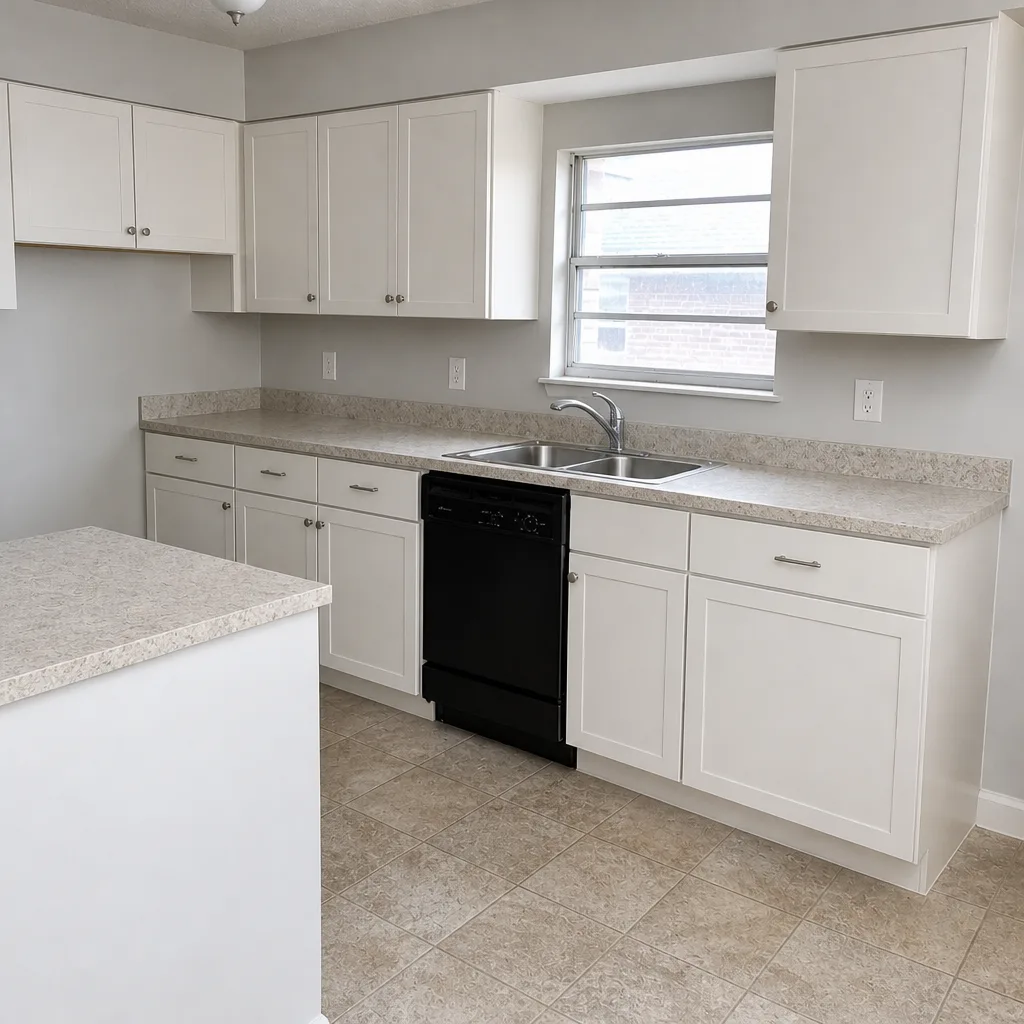
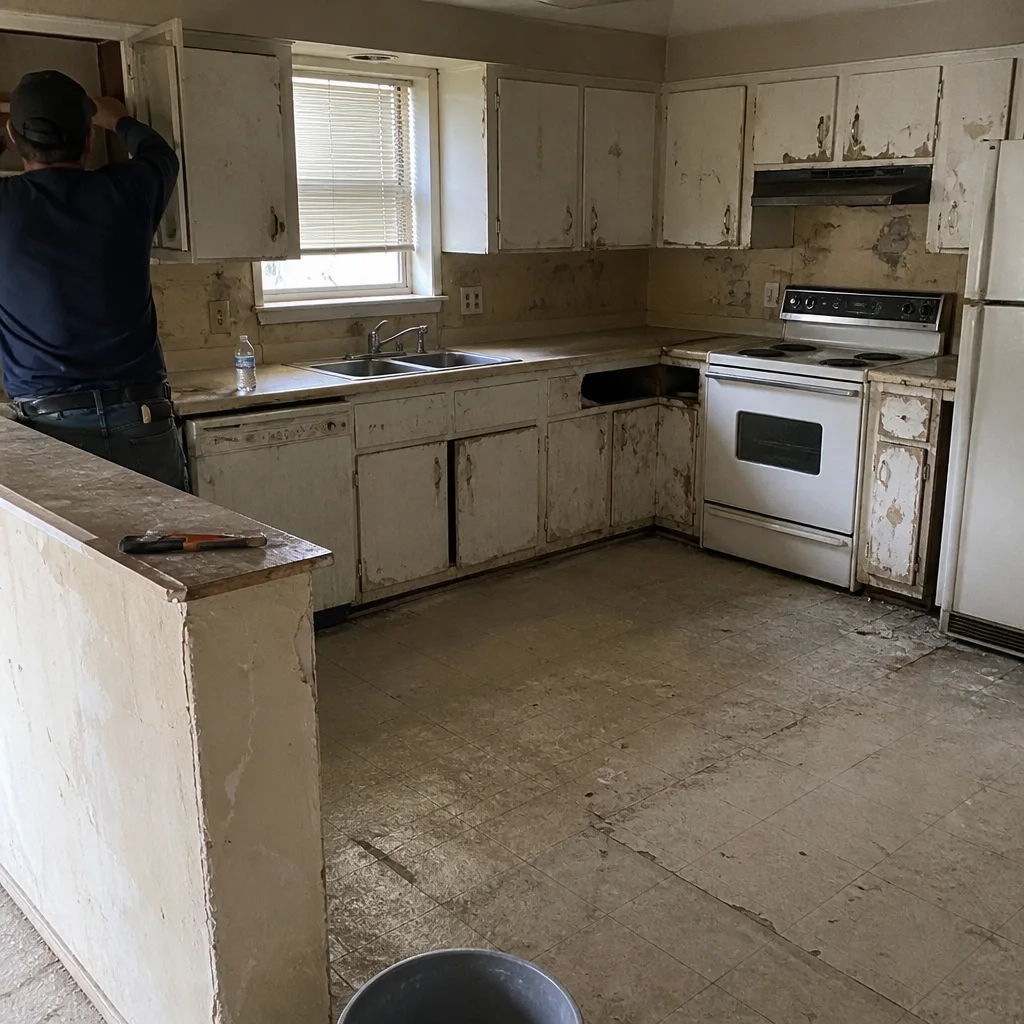 Before
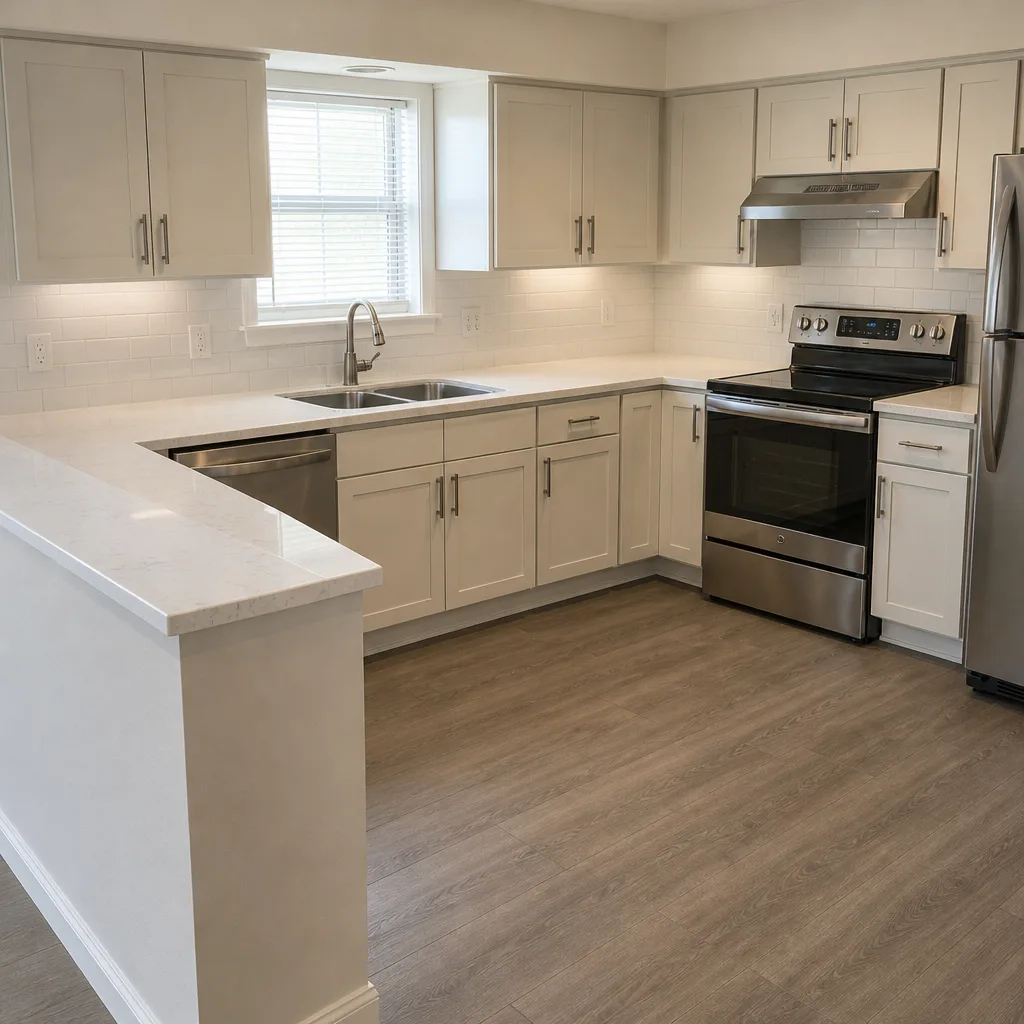 After
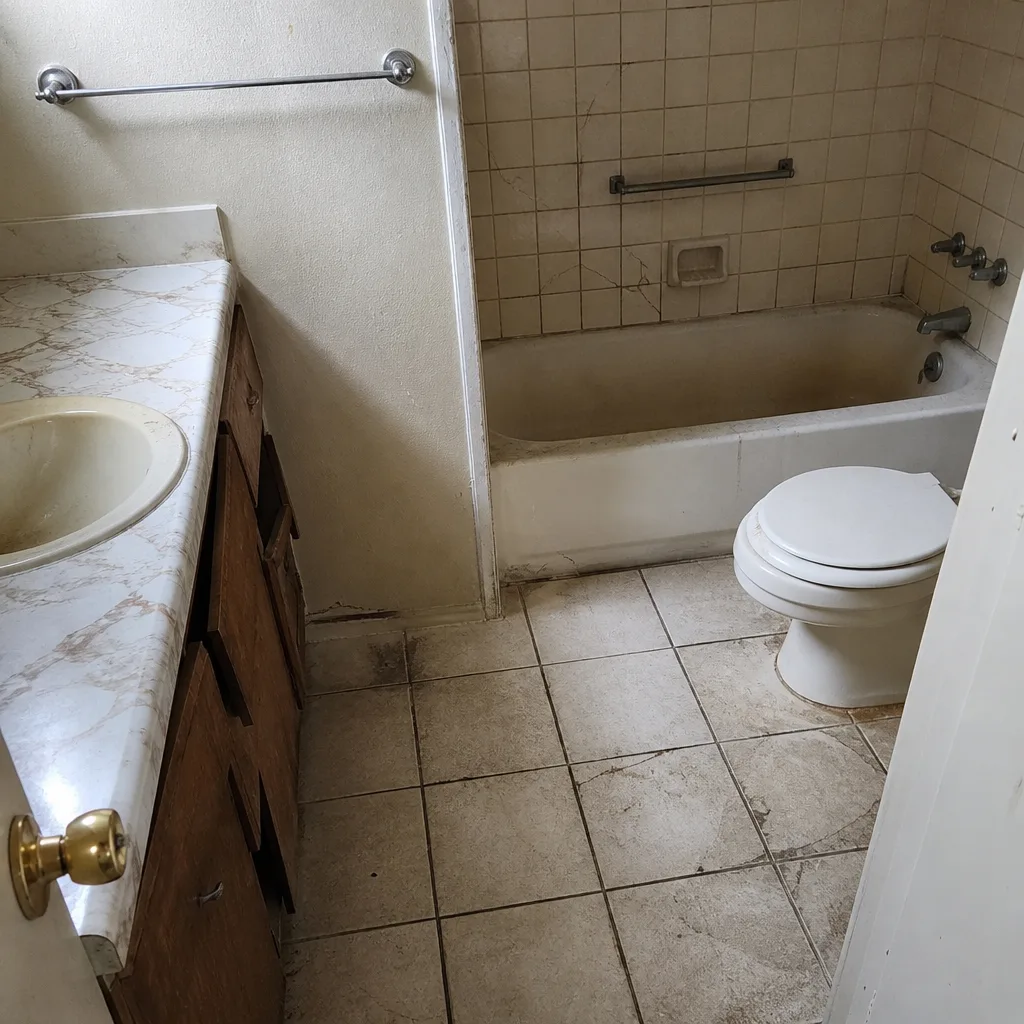
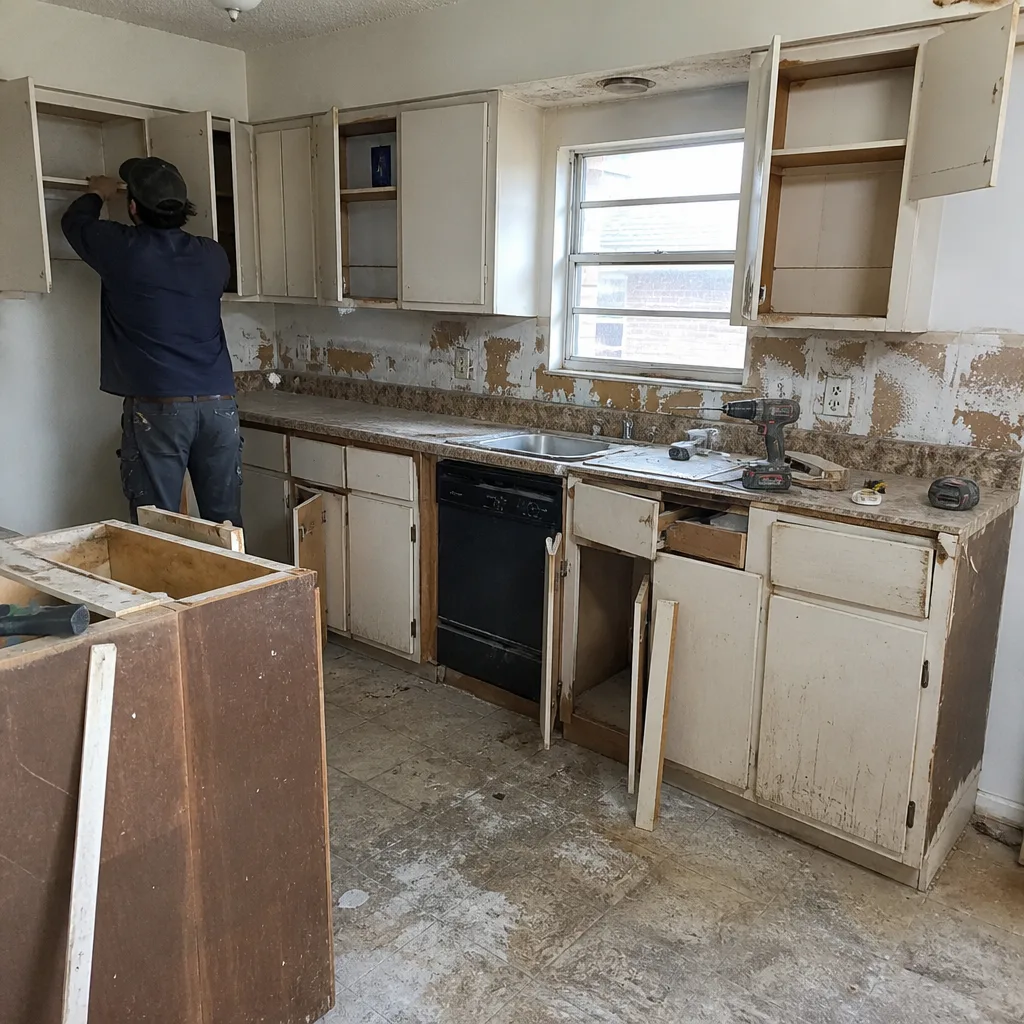 Before
 After
 Before
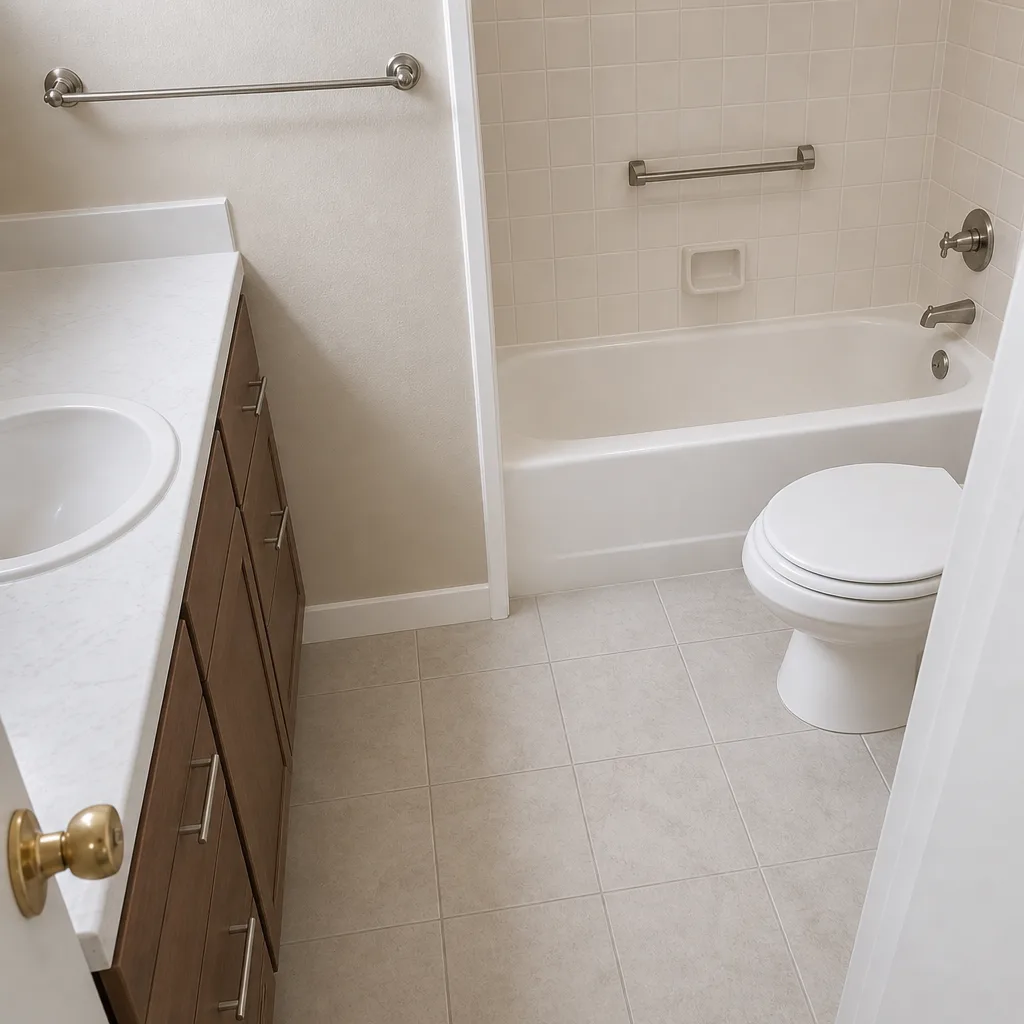 After
When to Call a Professional
Material selection can be a homeowner exercise; the work that follows is not. Any project that touches structure, roofing, electrical, gas, or high-tension components warrants a trained professional, and the pieces that flunk that test often look simple. Roofing, foundation work, window re-framing, and siding that meets structural elements or electrical chases all belong in a professional’s scope; a caulk joint or fastener pattern that only reveals its failure months later gets expensive to correct.
Bradford Remodeling Co McKinney offers free estimates in McKinney. Every project starts with a written price before any work begins, backed by the 365-Day Done Right Promise (by formal name) so that if the work fails inside the year, we come back and correct it at no charge. Our technicians have up to 22 years of experience, they’re background-checked and uniformed, and a real person answers our phones 24 hours a day. Call (844) 834-0609 to schedule your free estimate.
Frequently Asked Questions
Class 4 impact-rated architectural shingles from a manufacturer with a certified installer program in the McKinney area represent the best roof for Collin County hail. GAF, CertainTeed, and Owens Corning all make Class 4 products, and each runs a certified contractor program that affects whether their warranty extension applies. Ask your insurance carrier in writing which product qualifies for a discount. Call (844) 834-0609 for a free roof-and-material estimate – estimates are free.
Both perform well in McKinney’s climate, and the right choice depends on the installation manual’s clearance and sealant requirements, not brand preference. Fiber cement handles sustained heat without warping and holds paint well when joint detail is done correctly; engineered wood needs edge sealing on every field cut. The failure we see most often isn’t the material – it’s the installer skipping the sealant spec, and that’s why we read the manual before we quote.
Yes. Foundation repair in McKinney should start with a stamped report from a Texas-licensed professional engineer identifying the soil conditions and the specific pier system, depth, spacing, and maximum lift. That report drives the quote. A salesperson presenting a system price without a report is selling a product, not solving a specific structural problem.
Bradford Remodeling’s policy is a written price before any work begins, and that price doesn’t move mid-job. Every scope is line-itemed so the homeowner sees exactly what materials, labor, and brand items are in the quote. If scope changes surface (unexpected rot, hidden damage), the change order is written and approved before work continues – not a surprise line at the end. Call (844) 834-0609 for a free written estimate.
Yes. Permitting is part of the correct sequence for any McKinney project that requires one, from roofing replacements to kitchen and bath remodels and foundation work. The permit gets pulled, the inspection gets scheduled, and the sign-off is documented before project close. Call (844) 834-0609 and we’ll walk you through what your specific McKinney project needs.
A limited lifetime warranty typically covers product replacement on a prorated basis after the first 10-15 years, excludes labor entirely, and carves out damage from hail, wind above the rating, and specific climate conditions. Read every exclusion before purchase, especially for roofing and windows. Beyond the manufacturer’s coverage, Bradford’s 365-Day Done Right Promise covers the completed work itself: if it fails inside the year, we return and correct it at no charge. Call (844) 834-0609 for the full written warranty terms.
The Bottom Line
Choosing the right construction brands in McKinney is a spec-matching exercise, not a loyalty question. Match Class 4 impact ratings to Collin County hail, fiber cement or engineered wood siding to thermal movement and UV exposure, SHGC and frame tolerance to window orientation, and foundation systems to a Texas-licensed structural engineer’s plan. Read every warranty exclusion against the conditions the product will actually face here. Then demand the contract side of the equation: a written price before work starts, permits pulled and inspections passed, and a full year of written guarantee behind the finished job. That combination – right spec, right installer, right guarantee – is what squared-away construction in McKinney looks like.
Written by the team at Bradford Remodeling Co McKinney.